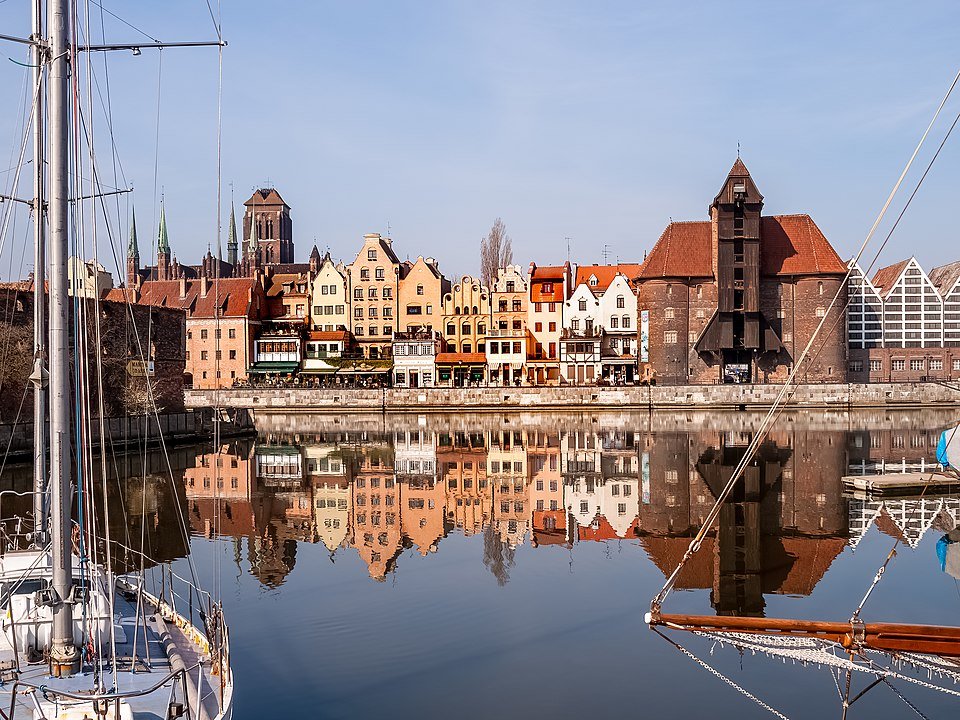
Poland is now regarded as among the most popular destinations of international students in Europe.
It has a good education system, low cost of living and welcomes family-friendly environment. However, before settling down, it is one thing that each student has to figure out health insurance.
In Poland, health coverage is compulsory to all international students.
However, the kind of insurance that you require greatly depends on your nationality, time of stay in foreign country and whether you intend to carry your spouse or children. These requirements may be very confusing initially, but when they are broken down into small steps, the whole system will be easy to navigate.
It is a kind of a manual providing you with a clear and comprehensive view on how the process of insurance works, what families should expect, how much it is costly, and which among the providers are widely used by foreign students.
You will get honest, practical advice, not theory, and a step-by-step manner of how to defend yourself and your family throughout the stay in Poland.
1. Understanding Poland’s Health Insurance Rules for International Students
Health insurance of every international student in Poland should be provided.
This is applicable even in a language preparatory, bachelor, master, or doctoral program. It has to include the policy on the emergencies, hospitalisation, and necessity of medical treatment.
However, how you satisfy this requirement depends on whether you are an EU/EEA citizen or a non-European, whether you would prefer to take up the public insurance (NFZ) or take a private/international plan.
Let’s break it down.
A. Insurance Requirements for Non-EU/EEA Students
Non-EU/EEA students must purchase private health insurance before arrival.
This insurance must:
- Provide minimum €30,000 coverage
- Be valid for the entire duration of the visa or temporary residence permit
- Cover emergency medical care and hospital treatment
- Include repatriation in many cases
This is an aspect that is scrutinized when submitting visa and when submitting the residence permit application.
But there is a different way when you get here.
The non EU students are allowed to participate in the Polish National Health fund (NFZ) by way of a voluntary agreement. This is a publicly offered insurance that is priced at approximately PLN 5570/month (~ 15 ) to students, hence very cheap.
NFZ provides entry to the Polish healthcare system and the appointments are slower, and only dental and outpatient care is covered. Nevertheless, it offers excellent fundamental cover at an affordable cost to the long-term students.
B. Insurance Requirements for EU/EEA Students
EU/EEA students have the opportunity to use their European health insurance card (EHIC).
This card provides access to public healthcare which is medically required, in case of temporary residence.
However, EHIC just provides basic services.
It will not include the private clinics, traveling-related healthcare, evacuation, or elective procedures. EHIC is also limited to dependants, which depends on their relationships to an insurance system in the home country.
A large number of EU students thus include an additional policy of a private insurance, particularly when they intend to travel across Europe or include their families.
C. Family Coverage Options in Poland
Family coverage is possible through both public (NFZ) and private/international insurers.
The right option depends on three things:
- Residency status of family members
- Duration of stay
- Eligibility for NFZ
NFZ allows family members such as spouses and children to be added under certain conditions.
But for most non-EU families, private or international family plans are faster, simpler, and more reliable, especially during the first months in Poland.
Private insurers typically offer:
- Emergency care
- Hospitalisation
- Outpatient care
- Dental or optical add-ons
- Repatriation
- Stronger customer support in English
This makes them highly attractive to international students.
2. Top 10 Family Medical Insurance Providers for Students in Poland
To help you make an informed choice, here are ten providers frequently used by international students and their families in Poland.
Each provider has different strengths, price ranges, and coverage options.
1. Swisscare Student Europe
Typical Cost: €150–€300 per year for students; family plans available
Why families choose it:
Swisscare is one of the most popular visa-compliant insurers in Europe. It covers emergency medical care, repatriation, and assistance across the EU. It is affordable, widely recognised by Polish universities, and straightforward for family additions.
2. NFZ (National Health Fund)
Typical Cost: ~€15/month for students
Why families choose it:
NFZ offers access to public healthcare, which includes GP visits, specialists (with referral), and hospitalisation. While coverage is reliable, outpatient and dental benefits are limited. Families planning a long stay appreciate its affordability.
3. Aon Student Insurance
Typical Cost: €100–€200 per year
Why families choose it:
Aon offers comprehensive coverage for medical emergencies, accidents, liability, and legal aid. It is well-suited for both visa applications and daily medical needs. Family plans are flexible and designed for dependants.
4. International Student Insurance (ISI)
Typical Cost: €100–€250 per year
Why families choose it:
ISI provides medical, accident, liability, and repatriation benefits. Their plans are commonly accepted for Polish visa applications and come with optional family coverage. It’s a strong all-round option for non-EU students.
5. Allianz Care
Typical Cost: €150–€300 per year
Why families choose it:
Allianz Care offers worldwide medical coverage, hospitalisation, outpatient care, and evacuation. It is popular among expat families seeking comprehensive and predictable coverage, especially those planning to travel outside Poland.
6. AXA Global Healthcare
Typical Cost: €150–€300 per year
Why families choose it:
AXA provides international health insurance with benefits such as global hospital networks, evacuation, and maternity coverage. It is ideal for students who want flexible, long-term protection for their families.
7. Bupa Global
Typical Cost: €150–€300 per year
Why families choose it:
Bupa is known for premium worldwide coverage, including inpatient, outpatient, maternity, dental, and optical care. Families who want top-tier access to international healthcare providers often choose Bupa.
8. Cigna Global
Typical Cost: €150–€300 per year
Why families choose it:
Cigna provides modular insurance plans that can be customised based on family size and needs. Coverage includes mental health, maternity, long-term treatment, and global access. It is excellent for dependants and frequent travellers.
9. GeoBlue
Typical Cost: €150–€300 per year
Why families choose it:
GeoBlue focuses on American-style international health insurance for students in Europe. Its plans include outpatient care, evacuation, emergency services, and strong support for U.S.-based families.
10. Education Poland Insurance Plans
Typical Cost: €100–€200 per year
Why families choose it:
These local private plans are designed specifically for international students. They include medical and accident coverage, and many are visa-compliant. They are cost-effective and fast to set up.
3. Practical Tips for Choosing Family Insurance in Poland
Choosing the right policy is not just about meeting legal requirements.
It’s about ensuring your family can access reliable healthcare without delays, confusion, or unexpected costs.
Here are the most important, actionable tips to guide your decision.
Tip 1: Non-EU Students Must Show Proof of Insurance for Visas
Poland requires non-EU students to show proof of €30,000 minimum coverage for:
- Medical emergencies
- Hospitalisation
- Sudden illness
- Accidents
Make sure your policy clearly states this or your visa may be rejected.
Tip 2: Consider NFZ if You Plan to Stay Long-Term
NFZ is extremely affordable and provides access to a wide public network.
But keep in mind:
- Appointments may have longer wait times
- Some specialists require referrals
- Dental and optical care are limited
NFZ is a great supplement but rarely enough as the only plan for international families.
Tip 3: EU/EEA Students Should Not Rely on EHIC Alone
EHIC gives access to medically necessary public care.
But it does not cover:
- Private clinics
- Dental
- Optical
- Maternity extras
- Travel emergencies
- Repatriation
Supplementing EHIC with a private policy dramatically improves protection.
Tip 4: Look for Family Add-On Options
Some insurers allow you to add:
- Spouses
- Children
- Dependant parents
Each provider has different requirements, so always check eligibility before purchasing.
Tip 5: Compare Plans Based on Your Lifestyle
Your family’s lifestyle affects which policy works best.
- Frequent travellers: Consider Allianz Care, AXA, or GeoBlue
- Students staying only in Poland: NFZ + a basic private plan may be enough
- Families expecting maternity coverage: Choose Cigna, Bupa, or AXA
- Families with young children: Look for dental, optical, and paediatric outpatient benefits
There is no one-size-fits-all option.
Tip 6: Pay Attention to Waiting Periods and Deductibles
Waiting periods can affect when you can use services:
- Maternity: 6–12 months
- Dental: 3–6 months
- Optical: varies by plan
- Pre-existing conditions: may be excluded or restricted
Deductibles also affect costs.
A low deductible means fewer surprises, but higher premiums.
Tip 7: Verify Visa and University Compliance Before Buying
Not all plans are accepted for Polish visa purposes.
Your policy must meet:
- Emergency care requirements
- Minimum coverage thresholds
- Full duration of stay coverage
- Repatriation benefits (often recommended)
Universities also have specific requirements for enrollment.
Always double-check before purchasing.
Choosing the Right Family Health Insurance in Poland
Poland offers high-quality healthcare and multiple insurance options for international students.
But navigating these choices requires clarity, especially when you plan to live with your family.
Start by identifying your visa requirements.
If you’re non-EU, ensure your plan covers at least €30,000 before arrival.
If you’re from the EU, use EHIC but supplement it with private insurance for better protection.
Then consider whether NFZ makes sense for you.
It’s inexpensive and reliable, but limited.
Finally, compare private and international plans based on what your family truly needs—emergency care, maternity benefits, dental and optical coverage, or global access.
With the right approach, you can build a safe and affordable insurance strategy that keeps your family healthy throughout your time in Poland.
References:
- Allianz Care. (2024). International student and family health insurance plans. https://www.allianzcare.com
- AXA Global Healthcare. (2024). International health insurance for expats and students. https://www.axaglobalhealthcare.com
- Bupa Global. (2024). Worldwide medical insurance plans. https://www.bupaglobal.com
- Cigna Global. (2024). International health insurance for globally mobile individuals. https://www.cignaglobal.com
- GeoBlue. (2024). International medical insurance for students and expats. https://www.geobluetravelinsurance.com
- International Student Insurance. (2024). Health insurance for international students and dependants. https://www.internationalstudentinsurance.com
- Aon Student Insurance. (2024). Student and family insurance options for Poland. https://www.aonstudentinsurance.com
- NFZ – Narodowy Fundusz Zdrowia. (2024). Voluntary health insurance for foreign students and residents. https://www.nfz.gov.pl
- Swisscare. (2024). Student Europe visa-compliant health insurance. https://www.swisscare.com
- Education Poland. (2024). Local student medical insurance plans. https://www.educationpoland.com