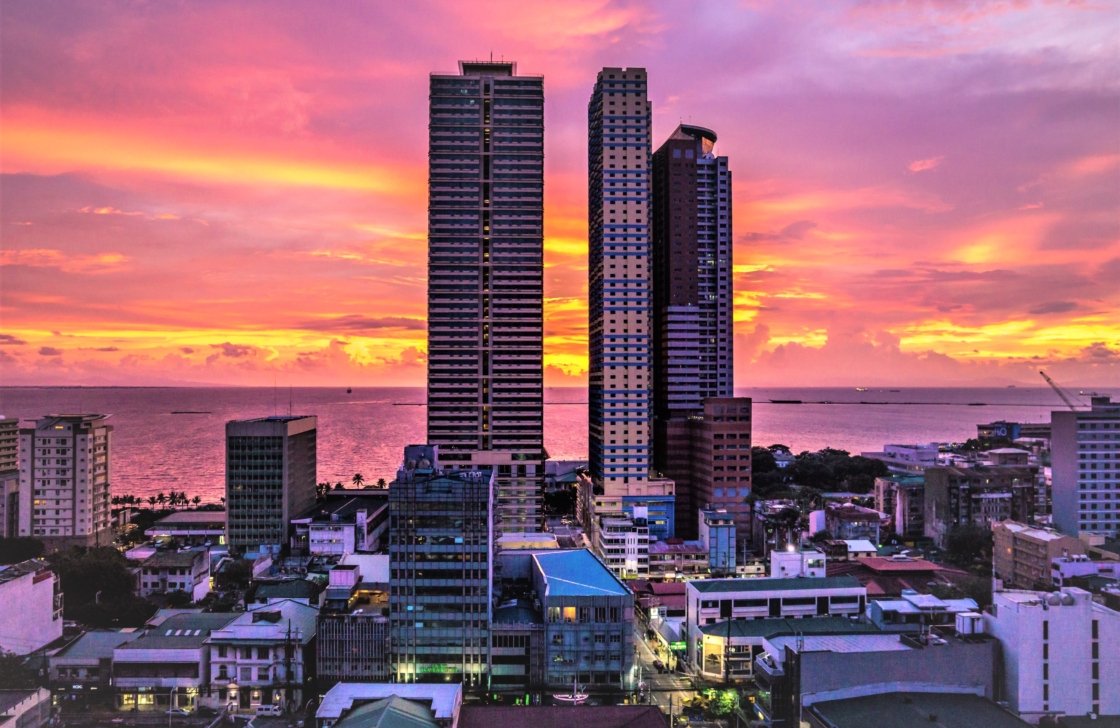
Moving abroad to the Philippines as an international student is certainly a brave and exciting decision. Regardless of whether you choose to pursue a medical degree in Cebu or an MBA in Makati, the Philippines have a lively culture and a relatively inexpensive cost of living. However, when moving to the Philippines with a spouse and/or children, the logistics of health care can rapidly evolve into a stressful experience. The Philippine health care system is one of contrast. In the urban centers, there are many high-quality private health care systems available which match those in Singapore or the Western world; yet at the same time there is also a under-funded public system.
For the international student family who has some knowledge of their options, it is usually a combination of both the local public (PhilHealth) and a comprehensive private international or local family insurance policy that works best. This way, you and your family will be contributing to the local health care system while also having a ‘fast track’ to the top private hospitals and a safety net for emergency situations that may necessitate evacuation.
The Foundation: Understanding PhilHealth
PhilHealth is the Philippine government mandated health care insurance. The majority of international students are required to have PhilHealth as a condition of visa approval or University registration. Many part-time workers are also covered through their employment or may be sponsored by the University. In many cases, an individual can voluntarily enroll in PhilHealth at a low cost; it is highly recommended that they do so.
The reality of PhilHealth is that it is a “case rate” program. That means, if your child is diagnosed with pneumonia while in the hospital, PhilHealth will pay a certain percentage of the hospital room, food, and Doctor fee. In a public hospital, the percentage paid by PhilHealth can help to reduce the overall bill significantly. In contrast, in a high end, private hospital such as St. Lukes Medical Center or Makati Medical Center, the percentage paid by PhilHealth will barely make a dent in the total bill.
PhilHealth should be viewed as the “entry level” coverage. It is affordable and meets the minimum required by law. However, PhilHealth is not your “safety net”. To truly have piece of mind, you will need to have a second, stronger level of protection.
Why Private Insurance is Non-Negotiable for Families
When you’re by yourself, you can easily take chances. But when you’ve got a spouse and kids, taking chances means putting others at risk. Private International Insurance helps to fill the gaps left by Philhealth.
The first thing to think about is the “Private Room Factor”. In the Philippines, hospitals offer all different levels of rooms and rates (from Ward Style Rooms to Luxury Suites). The maximum amount that Philhealth pays for a hospital room is usually very low (the rate for a hospital room is determined on a national basis) so if you want to make sure that your family has a clean, quiet and comfortable place to stay while you recover from illness or injury, you should get private insurance.
And then there is the issue of “MedicEvacuation and Repatriation”. The Philippines is made up of more than 7,000 Islands. So, if you are a student studying in a Provincial City and one of your family members suffers a severe injury, they will likely have to travel to another island (or to another country) to receive medical treatment. They will probably need to fly privately to get there quickly. And without a good private MedEvac policy, this could end up costing your family $30,000 or more in airfare.
The “Top 10” Insurance Landscape for Families
Selecting an insurer is a high-stakes decision. To help you navigate the noise, here is a curated look at the providers most frequently used by international student families and expats in the Philippines.
1. Cigna Global (The Flexible Heavyweight)
Cigna is perhaps the most recognizable name in the expat world. Their “Global Health Options” plan is modular. This means you start with a core inpatient cover and add “modules” for outpatient care, vision, and dental as needed.
- Best for: Families who want a reputable brand with a massive direct-billing network in Manila and Cebu.
- Estimated Cost: 3,000 – 8,000 EUR/year for a family of four.
2. AXA – International Health (The Local Hero with Global Reach)
AXA has a significant presence within the Philippines itself, which makes their international products particularly “local-friendly.” Their claims processing for Philippine hospitals is often smoother because the local billing departments are intimately familiar with the AXA name.
- Best for: Smooth administrative experiences at top-tier Philippine hospitals.
3. April International – MyHealth (The Tech-Forward Choice)
April International is known for its excellent mobile app and “zones” of coverage. They offer modular plans that allow you to exclude high-cost regions (like the USA) to keep premiums down. Their “MyHealth” app allows you to find nearby doctors and submit small claims instantly.
- Best for: Younger, tech-savvy student families who want a regional (Asia-wide) focus.
4. IMG – International Medical Group (The High-Limit Specialist)
IMG is a favorite for students because they offer specific “Student Health” plans alongside their more comprehensive family “Global Mission” plans. They offer very high maximum limits, often up to $8 million USD.
- Best for: Families looking for high catastrophe limits and flexible deductibles to manage costs.
5. William Russell (The Personalized Provider)
William Russell is a boutique provider that prides itself on customer service. Unlike the giant corporations, they tend to offer more personalized claims handling. They are strictly for expats, meaning they understand the unique stresses of living abroad.
- Best for: Those who want a human being on the phone rather than an automated menu.
6. Bupa Global (The “No Limits” Luxury)
Bupa is the gold standard, often used by high-net-worth individuals and corporate executives. Their premiums are high, but their coverage is nearly “all-inclusive,” including high limits for chronic conditions and mental health.
- Best for: Families with a high budget who want the absolute best care without questioning limits.
7. Allianz Care (The Corporate Standard)
Allianz is known for its robust evacuation network and comprehensive cancer care. Many international schools in the Philippines use Allianz for their staff, making them a very reliable choice for student families.
- Best for: Reliability and high-quality emergency assistance.
8. Now Health International (The Value Innovator)
Now Health offers “WorldCare” plans that are designed to be competitive in price while maintaining high service levels. They provide clear, easy-to-understand benefit tables which help in comparing costs.
- Best for: Budget-conscious families who still want premium international service.
9. Local Philippine HMOs (Maxicare, MediCard, etc.)
If an international plan is simply too expensive, local HMOs are a viable alternative. They are much cheaper but have much lower limits—often capped at a few thousand dollars per illness. They also rarely cover evacuation or treatment outside the Philippines.
- Best for: Families on a very tight budget who are staying strictly in Manila.
10. Broker-Curated Plans (Pacific Prime or Alea)
Working with a broker like Pacific Prime is often better than going direct. They compare all the above brands for you and can sometimes negotiate better rates or explain “fine print” exclusions that you might miss.
- Best for: First-timers who need a side-by-side comparison of 3-4 different brands.
The Financial Reality: What Will You Actually Pay?
Cost is the biggest hurdle. For a family of four (parents in their 30s or 40s with two children), a comprehensive international policy usually sits between 3,000 and 8,000 EUR per year. Why such a wide range? It comes down to your choices.
- The Deductible: If you agree to pay the first $1,000 of any hospital bill, your premium will drop significantly.
- The Region: “Worldwide excluding USA” is much cheaper than “Worldwide including USA.”
- Outpatient Care: Adding cover for routine doctor visits and prescriptions often doubles the premium. Many families choose to “self-insure” for outpatient care (paying cash for routine visits) and only use insurance for “Inpatient” (hospitalization).
Actionable Strategy: Building Your Family’s Safety Net
Don’t just buy a policy and hope for the best. Follow this specific framework to ensure you are getting the best value.
Step 1: Secure the “Base Layer”
Check your university’s requirements. If PhilHealth is available to you, sign up. It costs very little and covers the “small stuff.” It also makes you more “legit” in the eyes of local government hospitals if you ever find yourself in a remote area.
Step 2: Identify Your “Anchor” Hospital
Where will you be living? If you are in Quezon City, you want an insurer that has a “Direct Billing” agreement with St. Luke’s. If you are in Cebu, check for Chong Hua Hospital. Direct billing means the hospital sends the bill straight to the insurer. You walk out without paying a cent. Without it, you must pay the bill in cash and wait weeks for a refund.
Step 3: Prioritize “Medical Evacuation”
The Philippines is beautiful, but its geography is a challenge for emergency medicine. Ensure your policy includes “Emergency Medical Evacuation.” This is the single most important “rider” for an international student family.
Step 4: The “Inpatient Only” Hack
If the 5,000 EUR premium is too high, ask for an “Inpatient Only” plan with a small deductible. Routine pediatrician visits in the Philippines are relatively affordable (often $20–$40 USD). You can pay these out of pocket. Use your insurance for the big things: surgeries, accidents, and long-term illnesses.
Step 5: Document Everything for Immigration
The Bureau of Immigration and your university will want to see your “Certificate of Insurance.” Make sure your insurer provides a formal letter stating that your policy includes “repatriation of remains” and “emergency medical coverage.” These are standard requirements for student visas.
Pro Tips
Healthcare in the Philippines doesn’t have to be a gamble. By layering a local PhilHealth membership with a strategically chosen international plan, you create a safety net that protects both your family’s health and your financial future.
Invest the time now to compare 2 or 3 of the providers mentioned above. Focus on direct-billing networks and evacuation benefits. Once the paperwork is done, you can stop worrying about “what if” and start focusing on your studies and enjoying the incredible beauty of the Philippine islands.
If you are planning on having more children while studying, look closely at “Maternity Riders.” Most international plans have a 10-to-12-month “waiting period,” meaning you must have the policy for a year before they cover any pregnancy-related costs. Plan ahead.
References:
- Alea. (2026, January 19). 2026 guide to expat health insurance in the Philippines. Alea.
- Alea. (2026, January 21). Expat health insurance in the Philippines. Alea.
- Cigna Global. (n.d.). International health insurance in the Philippines. Cigna.
- IMG Global. (n.d.). International student insurance. International Medical Group.
- Internationalinsurance.com. (2026, February 1). Health insurance for expats and foreigners in the Philippines. International Citizens Insurance.
- Pacific Prime. (2024, December 31). Philippines health insurance for expats. Pacific Prime.
- Pacific Prime. (2025, May 1). Health insurance in the Philippines for foreigners. Pacific Prime.
- William Russell. (2025, October 26). Health insurance for expats in the Philippines. William Russell.