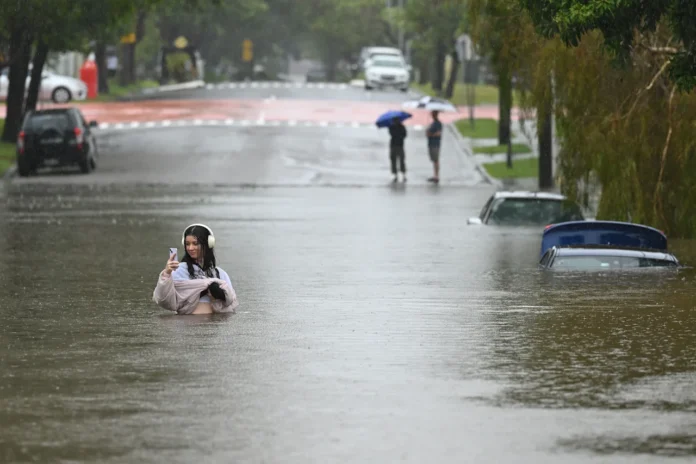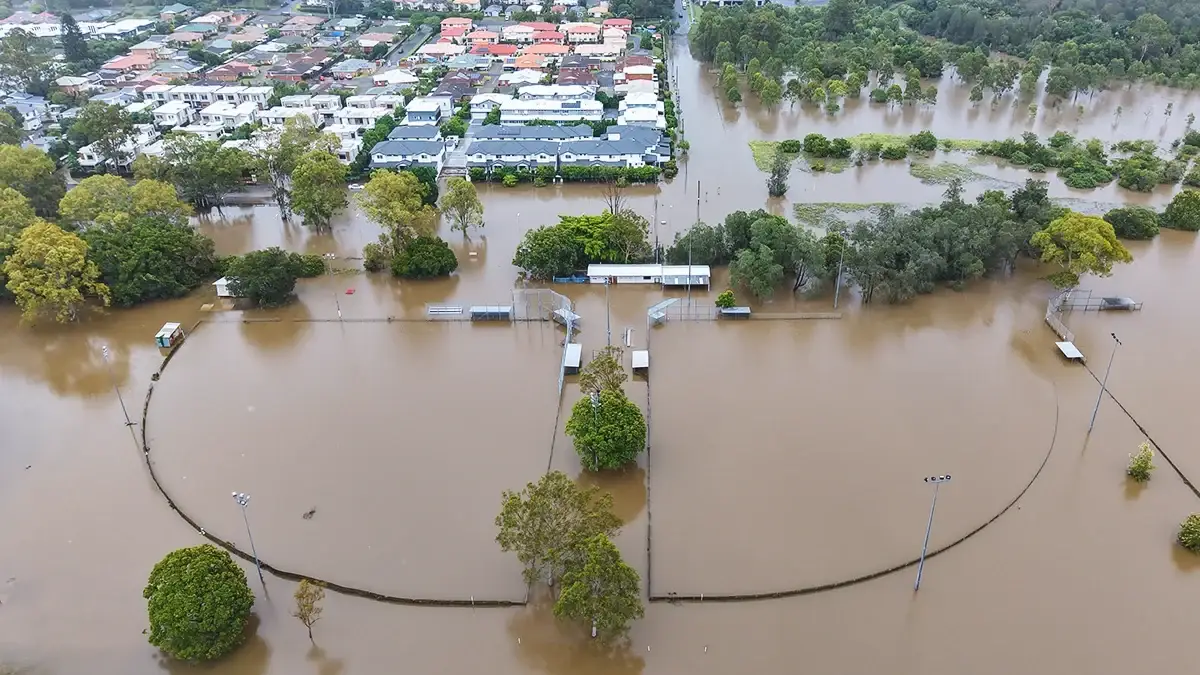
Cyclone Alfred has left a massive financial mark on Australia’s insurance sector, with catastrophe risk analysts estimating insured losses close to $2 billion. The figure, released by catastrophe modelling firm PERILS, highlights the growing economic toll of extreme weather events across the country. Homes, businesses, infrastructure, and vehicles have all suffered heavy damage as intense winds, flooding rain, and coastal surges swept through affected regions.
The storm serves as a stark reminder that climate driven disasters are becoming more expensive and more frequent. Insurance experts say the near $2 billion loss estimate reflects both the scale of the cyclone and the rising value of property located in vulnerable areas. For households and businesses, the event also raises urgent questions about insurance affordability, disaster preparedness, and how communities can better protect themselves from future storms.
Cyclone Alfred’s Destructive Path and the Rising Cost of Extreme Weather
Cyclone Alfred developed rapidly and intensified as it moved across warm ocean waters before reaching the Australian coastline. Meteorologists reported severe winds, heavy rainfall, and widespread flooding. Entire neighbourhoods experienced structural damage. Trees fell across roads. Roofs were torn off buildings, and power lines collapsed, leaving thousands without electricity for days.
Insurance analysts estimate the total insured loss will approach $2 billion once all claims are processed. The figure includes damage to residential homes, commercial buildings, vehicles, and public infrastructure. Early assessments suggest tens of thousands of insurance claims may be lodged across impacted regions.
The high financial cost reflects several overlapping factors. Property values in coastal areas have climbed significantly over the past decade. Construction materials have become more expensive due to global supply chain disruptions. Labour shortages in the construction sector have also pushed repair costs higher. When a major disaster strikes, insurers must absorb these rising rebuilding expenses.
Extreme weather events are also becoming more frequent. According to data from the Insurance Council of Australia, insured losses from natural disasters have averaged more than $2 billion annually over the past decade. Severe floods, bushfires, and storms are responsible for most claims. Cyclone Alfred now joins a growing list of costly weather events that are reshaping Australia’s insurance landscape.
Experts warn that the financial pressure will likely increase in coming years. Climate scientists say warmer ocean temperatures can fuel stronger cyclones. At the same time, urban expansion continues in flood prone or coastal areas. These trends create a higher concentration of valuable assets exposed to natural hazards.
Key Factors Driving the Insurance Losses
Several key elements explain why Cyclone Alfred generated such significant financial damage. Each factor reflects broader trends shaping disaster risk and insurance costs in Australia.
- Rapid storm intensification
Cyclone Alfred strengthened quickly before landfall. Stronger winds increase structural damage to roofs, walls, and windows. - Heavy rainfall and flooding
Intense rainfall caused rivers to overflow and urban drainage systems to fail. Floodwater damaged homes, vehicles, and commercial properties. - High property values in coastal areas
Many affected communities contain expensive housing developments. When damage occurs, repair costs rise sharply. - Rising rebuilding costs
Construction materials such as timber, steel, and concrete have increased in price globally. Labour shortages add further pressure. - Infrastructure vulnerability
Roads, power networks, and communication systems were disrupted. Repairing infrastructure adds to total insured losses.
These combined factors mean even a single storm can generate billions of dollars in claims. Insurance companies must prepare for these financial shocks through reinsurance arrangements, catastrophe modelling, and pricing adjustments.
The situation also affects policyholders. As disaster losses rise, insurers may increase premiums to cover growing risks. Some high risk regions may also see reduced coverage options. Governments and industry groups are therefore working together to explore ways to improve resilience and reduce long term costs.
Industry Response and Risk Management Strategies
Insurance companies across Australia have activated large scale disaster response operations following Cyclone Alfred. Claims teams are assessing property damage, arranging emergency repairs, and helping affected customers begin the recovery process. Many insurers have also deployed mobile assessment units and temporary claim centres in impacted communities.
For insurers, catastrophe events like Cyclone Alfred test both financial resilience and operational readiness. Companies rely heavily on reinsurance programs to absorb part of the financial impact. Reinsurance allows insurers to transfer some risk to global markets, reducing the chance that a single disaster will threaten their financial stability.
Governments are also paying close attention to the growing cost of natural disasters. Several national resilience programs aim to strengthen infrastructure and reduce vulnerability in high risk regions. Investment in flood mitigation, improved drainage systems, stronger building codes, and better early warning systems can all reduce future insurance losses.
At the household level, experts recommend practical measures that can significantly reduce storm damage:
- Secure roofs and loose structures before storm season
- Install proper drainage around homes to prevent flooding
- Trim trees near buildings and power lines
- Maintain up to date insurance coverage
- Review emergency preparedness plans regularly
These steps may seem simple. Yet they can dramatically lower the scale of damage during severe weather events.
Insurance Impact Snapshot
| Category | Estimated Impact |
|---|---|
| Estimated insured losses | Close to $2 billion |
| Main causes of damage | Wind destruction, flooding, storm surge |
| Property sectors affected | Residential homes, commercial buildings, vehicles |
| Expected claim volumes | Tens of thousands of claims |
| Key contributing factors | High property values, rising construction costs, severe weather intensity |
| Industry response | Rapid claims assessment, reinsurance support, disaster recovery services |
The financial toll outlined in this snapshot demonstrates how quickly weather disasters can escalate into national economic events. For insurers, accurate catastrophe modelling and long term planning are becoming essential tools for managing these risks.
What Cyclone Alfred Means for Insurance, Communities, and Future Preparedness
Cyclone Alfred is not just another weather event. It represents a clear signal of how climate related disasters are reshaping financial risk across Australia. With insured losses nearing $2 billion, the storm ranks among the most costly cyclone events in recent years. Such figures affect insurers, policymakers, and everyday households alike.
For communities, the recovery process will take time. Homes must be repaired. Businesses must rebuild. Infrastructure must be restored. Insurance payments will play a crucial role in helping families and companies recover financially. However, the event also highlights the importance of forward planning and stronger resilience strategies.
The broader lesson is clear. Disaster resilience requires cooperation between governments, insurers, builders, and communities. Improved building standards, better urban planning, and stronger early warning systems can reduce future losses. At the same time, individuals can take proactive steps to protect their homes and maintain adequate insurance coverage.
Cyclone Alfred has shown how quickly a powerful storm can translate into billions of dollars in damage. As extreme weather risks continue to evolve, understanding these impacts will be essential for protecting both communities and the stability of Australia’s insurance market.
Trending FAQ
What caused the high financial losses from Cyclone Alfred?
The near $2 billion insured loss estimate comes from a combination of wind damage, flooding, high property values in coastal areas, and rising rebuilding costs for materials and labour.
How many insurance claims are expected from the cyclone?
Industry analysts expect tens of thousands of claims from homeowners, businesses, and vehicle owners across affected regions.
Will insurance premiums increase after Cyclone Alfred?
Large disaster losses can influence future premiums. Insurers may adjust pricing to reflect higher risk levels, especially in vulnerable coastal or flood prone areas.
What role does reinsurance play after major disasters?
Reinsurance allows insurers to transfer part of their risk to global markets. This helps companies handle large financial losses from major events like cyclones.
How can homeowners reduce storm damage risks?
Experts recommend maintaining strong roofing, securing loose outdoor items, trimming trees near homes, improving drainage systems, and keeping insurance policies updated.