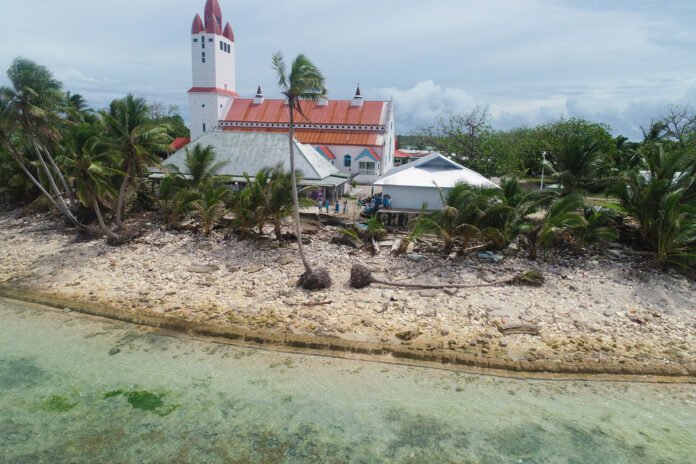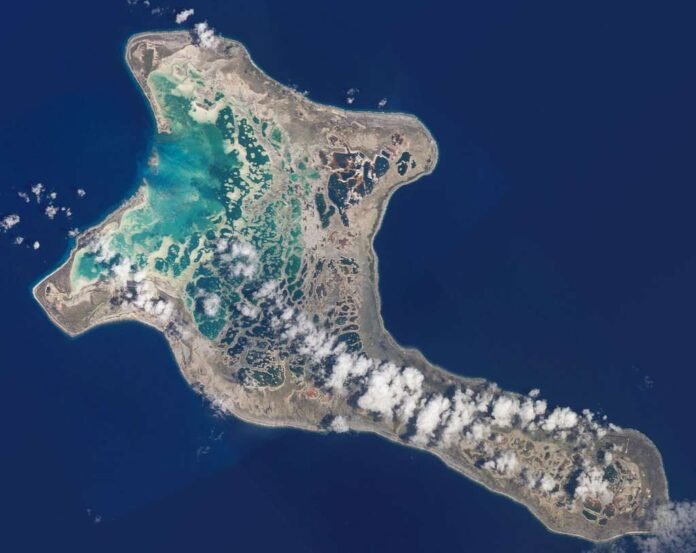
The health and well-being of your family members will be at risk if you choose to relocate to the Cook Islands as a student with them.While there may be many reasons why relocating to the Cook Islands could be appealing (including its beautiful turquoise waters and generally slower lifestyle), this island nation’s limited medical services, as well as its general lack of access to specialists, present unique challenges when it comes to the medical needs of your family.
In addition to providing the basic minimum requirements needed to obtain the required visa for the Cook Islands, you also want to find a provider who will serve as a safety net should a member of your family require additional medical care beyond what can be provided locally.
This Guide provides you with information about obtaining the best possible coverage for your family while living in the Cook Islands as students.
The Reality of Healthcare in the South Pacific
Prior to discussing particular policy details, we must discuss the most basic issue of the area. Most foreign students purchase some combination of travel insurance and medical insurance since the local private health insurance market is very small. However, what is really concerning is that there are far more issues with regard to both the cost of a physician’s visit than the logistics (time and money) required for an acute illness.
Healthcare systems in the Cook Islands are often inferior compared to what exists in Australia or New Zealand; especially when located on the outer islands. Therefore, if your relative has a condition requiring specialized surgery or critical care, he/she/it will probably have to be medically stabilized and then transported by air ambulance. Medical evacuations can run in excess of $50,000 to $100,000 depending upon location, and without insurance.
Finally, many local insurance companies’ policies, including Tower Insurance policies, may include exclusions for private treatments when public treatment options exist. Although these help keep premium costs down, you would have to know how the local healthcare delivery systems function prior to arrival in order to make informed decisions about which type of coverage you want. Reliability is the real value of a quality insurance plan.
10 Insurance Options to Shortlist for Your Family
Navigating the sea of providers can be overwhelming. Here are ten options, ranging from local specialists to international giants, that serve as excellent starting points for your research.
1. Tower Insurance Cook Islands Travel Policy
Tower is one of the most recognized brands in the South Pacific region. The reason their Cook Islands Travel Policy has such an excellent reputation lies within Tower’s local roots. Tower provides as much as $2 million for medical and associated costs on a worldwide family plan. Since having a carrier with a physical branch office or many years of experience in the island(s) greatly reduces the difficulty of filing a claim, Tower is a reliable, localized option for customers seeking a company which knows the regional nuances.
2. SCTI (Southern Cross Travel Insurance) International Comprehensive
If you want to have peace of mind at all costs, then SCTI is typically the most valuable insurance option. The company’s International Comprehensive Policy provides for unlimited medical coverage as well as unlimited emergency evacuations. To a family, that “unlimited” designation can be very comforting. It helps alleviate anxiety about whether an expensive emergency evacuation will be beyond what your policy allows. Additionally, they are known for having some of the best in the business (24 hours a day) in terms of customer service. This support is important when you’re going through an international health crisis and there may be multiple time zones involved.
3. Tata AIG Cook Islands Travel Insurance
Tata AIG has an excellent international student travel insurance plan. As with all travel insurance, cost will vary by the type of policy you select but appears to start at approximately $40.82 per day. The best aspect of this product is its strength in addressing the ‘travel’ aspects that are most important (i.e. emergency dental care, trip cancellation and interruption coverage, medical evacuation) and thus would be suitable for those who have a very basic level of coverage they want prior to settling into a new home.
4. International Student Insurance (ISI)
Isi is a world-wide organization that provides student specific health insurance. Their basic plan can start at $29 per month. They are a good reference point on how much a “Basic” plan should cost. Be careful though – the least expensive plans do not always include a high limit evacuation benefit. Compare the prices of the “Student Only Plan” versus the “Family Add On Plan” through Isi.
5. Uni-Care NZ Student Plan
A large number of students from the Cook Islands have educational connections with New Zealand. In the Cook Islands, Uni-Care focuses on this regional travel area. The New Zealand Student Plan by Uni-Care includes family member add-ons; this would be an advantageous decision for you and your family if they plan to transition or spend considerable time in New Zealand while you are attending school in the Cook Islands.
6. Studentsafe Inbound University Family Insurance
The plan is created with the international student’s family in mind. Because the university may recommend this to cover dependents that are not eligible for government health coverage. It serves as an alternative to both short term travel plans and long term health plans. As such, it is perfect for the length of your multi-year academic program.
7. Whitireia/WelTec Default Student Medical Cover
Many universities include “insurance” (managed by Uni-care) with tuition costs. The automatic nature of this can be considered a “default” arrangement. As long as you are in an institution that has such arrangements for students, you need only ensure that there is coverage for dependents (your family). This does not happen by default.
8. Crown Institute of Studies Recommended Health Insurance
Using a school-recommended provider ensures that your policy meets all visa and institutional requirements. Crown Institute emphasizes the need for comprehensive travel and medical insurance. Following their lead helps you avoid the common pitfall of buying a policy that is later rejected by the immigration department.
9. Comparison-Backed Options (Allianz/Cover-More)
Platforms like MoneyHub often highlight Allianz and Cover-More for South Pacific travel. These companies offer massive infrastructure. Their policies frequently include unlimited medical expenses, which is the exact type of high-limit protection a family needs when living in a remote location. They are highly reliable but often sit at a higher price point.
10. Local Broker-Arranged Policies
Sometimes your “out of the box” plan does not work out for you. A local broker in New Zealand or the Cook Islands will be able to provide a custom plan that allows you to cover an emergency medical evacuation (the top priority) while reducing coverage on other benefits such as lost luggage which may help you lower your premium costs. They are also best equipped to assist families where there is a large difference in ages between children and adults.
Decoding the Cost: What Will You Actually Pay?
Insurance Premiums vary depending on many factors and can’t always provide an exact quote. The main factor that influences the amount you pay is how much risk you present to the insurer. As such your premiums in the Cook Islands will also depend on the ages of all people travelling with you, the total number of days you plan to spend here, and if there are any known health issues prior to arrival.
The best example of an “anchor” price is either ISI’s quoted monthly premium of $29 or Tata AIG’s $40.82 per day. An anchor price is very useful as a budgetary guide, however they don’t necessarily reflect what you’ll end up paying when purchasing comprehensive family coverage with emergency medical evacuations included. When planning to travel as a family (with children), your realistic budget for a “Comprehensive” tier package would likely include a larger premium than if you were traveling alone. Although the cost may seem large initially, this cost is a small portion of one night at a specialty hospital.
Coverage Priorities: The “Non-Negotiables”
When you are reading the fine print—and you must read the fine print—ensure these six items are clearly defined:
- Medical Evacuation & Repatriation: This is the most important line item. Ensure the limit is either “unlimited” or at least $500,000.
- Hospitalization: Does the policy pay the hospital directly, or do you have to pay upfront and claim back? In an emergency, you don’t want to be hunting for a credit card with a $20,000 limit.
- Emergency Dental: Tropical environments and different diets can lead to unexpected dental issues. Basic cover is usually sufficient.
- 24/7 Assistance: You need a number you can call at 3:00 AM Rarotonga time that will be answered by a human who can authorize an air ambulance.
- Accompanying Person Cover: If you are evacuated to New Zealand, will the insurance pay for your spouse to fly with you and stay in a hotel nearby?
- Pre-existing Conditions: Be honest. Failing to disclose a condition can void the entire policy.
Expert Tips Before You Commit
Buying insurance is a legal contract. To ensure you are actually protected, follow these actionable steps:
- The “One Plan” Rule: Confirm if your spouse and children are listed on a single certificate of insurance. Having separate policies can lead to “finger-pointing” between insurers if an accident involves multiple family members.
- Check the Age Ceiling: Some policies, like certain Tower plans, have strict age limits (often 70). If you are an older student or have an older dependent, this is a critical deal-breaker.
- The Adventure Clause: Planning to explore the islands on a moped? Many policies exclude injuries sustained while riding a motorbike unless you have a specific license or add-on. Given that mopeds are the primary mode of transport in Rarotonga, this is a vital check.
- Public vs. Private: If the policy excludes private treatment (like Tower’s regional specificities), find out where the nearest public hospital is and what its capabilities are.
- Visa Compliance: Ensure the policy period matches your visa duration. Immigration officers often look for “continuous cover” without gaps.
Pro Tips:
Your ultimate decision will depend upon what is best for your family’s unique situation and your personal comfort with how much risk you wish to assume.
If you are concerned with your maximum exposure to potential health risks then SCTI (or the “worldwide” plan from Tower) would have the greatest safety features. These two options provide the top dollar for medical evacuation which is a necessity when traveling to the South Pacific.
If you are on a limited budget and just need an option as a minimum required by your visa then you may want to consider either ISI or Tata AIG, however you can expect to pay additional dollars to purchase the necessary family riders.
If you wish to align yourself with the institution you are affiliated with, purchasing through the provider recommended by your university (Uni-care or Studentsafe), will help to eliminate any potential issues with the administration of your school.
Moving your family to the Cook Islands is a wonderful experience. In order to allow you to enjoy this experience without worry of what could happen during a medical emergency it is highly advised that you secure adequate medical insurance prior to moving.
References:
- Crown Institute of Studies. (2023, August 31). Health insurance. https://crown.ac.nz/health-insurance/
- International Student Insurance. (n.d.). International student insurance | Student health and travel. https://www.internationalstudentinsurance.com
- MoneyHub. (n.d.). Rarotonga (Cook Islands) travel insurance – Best options for Kiwis. https://www.moneyhub.co.nz/rarotonga-travel-insurance.html
- SCTI. (2022, January 21). Travel insurance for the Cook Islands | Get a quote | SCTI AU. https://www.scti.com.au/travel-insurance/cook-islands
- Tata AIG. (2024, April 18). Cook Islands travel insurance – Buy travel insurance online | Tata AIG. https://www.tataaig.com/travel-insurance/cook-islands-travel-insurance
- Tower Insurance Cook Islands. (2022, December). Travel insurance policy [PDF]. https://www.towerinsurance.co.ck/wp-content/uploads/sites/9/2022/12/Tower-Insurance-Cook-Islands-Travel-Policy.pdf
- Uni-Care. (n.d.). International student and visitor insurance plans. https://www.uni-care.org/plans
- Uni-Care. (n.d.). New Zealand student plan – International student travel insurance. https://www.uni-care.org/nz-student-plan
- University of Wellington. (2025, October 29). Insurance for your family | Current students | Te Herenga Waka. https://www.wgtn.ac.nz/students/support/international/insurance/family
- Whitireia and WelTec. (n.d.). Travel and medical insurance | Whitireia and WelTec. https://www.whitireiaweltec.ac.nz/international-students/international-student-support/health-insurance