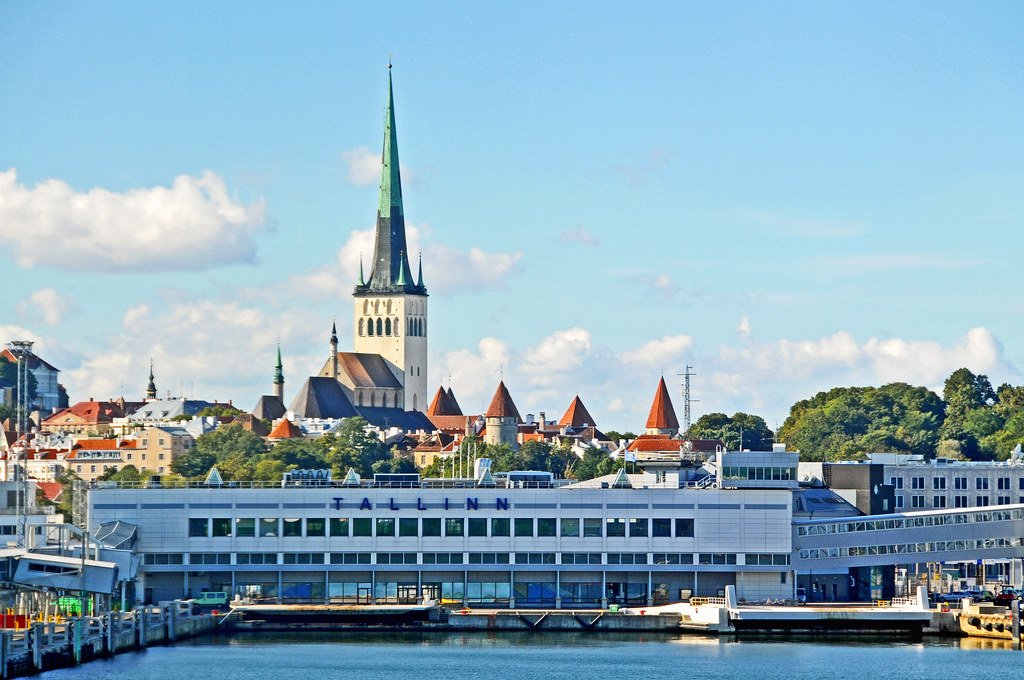
The first step in your academic adventure to Estonia is establishing a relationship through administrative means – obtaining proper health insurance. There are two health care systems in Estonia. The majority of local citizens receive their medical coverage from the public health care system. International students however, follow a separate set of guidelines. Therefore, understanding this distinction does not merely represent a safe way to live and study abroad, but also represents a legal necessity to remain in the country.
This website provides information that will serve as a guide to help navigate the complexities of health insurance in Estonia. Whether traveling alone or as a family member accompanying you to Estonia, we can assist. We will provide a detailed overview of the regulations governing health insurance in Estonia. We will review all options available when seeking a provider. Finally, we will provide practical advice to ensure you both comply with the law while maintaining good physical health during your time studying in Estonia.
The Legal Foundation: Why You Need Insurance
Estonia has very rigid Residency Laws. If you are an EEA/EU Citizen or Non-EEA/NON EU Citizen entering Estonia with a D visa, Temporary Resident Permit (TRP), you have to show evidence of having Comprehensive Health Insurance. The Government agency responsible is the Estonian Police and Border Guard Board (PPA). PPA has set out requirements for which Risks your Policy should Cover. Therefore if your application does NOT include these items, there is a high probability that your Application will be Rejected. As follows, there is a clear correlation between No Insurance = No Permit
The normal minimum Indemnity required by the Authorities in Estonia is €30,000. Your Insurance must therefore provide coverage for Medical Expenses, Emergency Care and Repatriation. To be noted is the fact that Basic Travel Insurance typically does not meet this requirement. Why? In most cases, travel insurance is designed to provide coverage for Short-Term Trips only. What you need is a policy that can remain active during your entire period of residence in Estonia. For example, if you are going to study in Estonia for two years, your insurance needs to indicate that as well. It is not simply providing a document; it is also important to ensure that the Estonian State is not liable for your Medical Costs.
The “No Exclusion” Rule
An essential point often ignored by applicants is the “Pre-Existing Conditions Clause.” For either the D visa or TRP, typically, the PPA states that you cannot be denied coverage based on your pre-existing chronic illness(es) / injury(s). In addition, as long as you have sufficient coverage to pay for all treatments and/or therapies needed (regardless of what your medical history may be), then it should meet the PPA requirements.”
EHIF vs. Private Insurance: The Great Divide
In Estonia, most of the population receives health care through a publically-managed system called The Estonian Health Insurance Fund (EHIF). This includes nearly all Estonian citizens who have jobs. International students do not receive EHIF because they are not subject to social taxes. They pay no taxes, so they contribute nothing to the EHIF. That’s why international students need private health insurance as an alternative.
One important exception exists; this happens when you obtain employment while attending school. If you are employed and your employer pays social taxes for you, you will be included under the EHIF. This is significant because EHIF offers very affordable medical services, including many specialist physician visits at low cost and discounts on prescriptions. Nevertheless, it will likely take some time before your first paycheck arrives. As a result, you will be required to continue with private insurance until that point.
For EU/EEA Students
If you are a student coming from the EU or EEA, the European Health Insurance Card (EHIC) is one of your biggest allies. This card will allow you to use the local health service just like the people who live there do. That being said, the EHIC isn’t going to be able to help you in all cases. The EHIC can only provide coverage for medically required treatment. Repatriation costs aren’t covered by this card either. For many EU students, purchasing a low-cost private insurance plan that supplements the EHIC provides them with complete comfort. To purchase a low cost plan and have complete protection is worth it.
Choosing Your Provider: The Trusted Shortlist
While not every insurance company is viewed equally by Estonia’s government, several have stood out as the gold standard of international student insurance companies over time. Each one has an understanding of what will be required by your visa application process and provides customized plans based on budget constraints. Plans range in price (approximately) from €12/month to €70/month dependent upon how many “extras” you add.
- ERGO: A local favorite with deep roots in the Baltics. Their ‘Health Insurance for Foreigners’ is specifically designed for visa applicants.
- Salva: Another Estonian staple. They are known for quick processing and documents that the PPA accepts without question.
- Feather: A digital-first provider that is incredibly popular with the expat community. Their interface is entirely in English, which simplifies the application process.
- Swisscare & AXA: These international giants offer global student plans. While sometimes slightly more expensive, they offer great coverage if you plan to travel across the Schengen zone during your holidays.
Focusing on the Family: Spouses and Children
You can add many complexities with bringing your family to Estonia. In other countries, there may be policies that cover spouses and/or children on the policyholder’s policy. With Estonia, however, each person has to have his/her own health insurance. So if you were married and had three children, you would have five different health insurance certificates – one for yourself and four for each of your family members. The cost of purchasing these multiple policies can make a big difference in your monthly outlay.
Families also look at the search criteria differently than individuals. They are not just searching for the minimal amount of coverage required by law (€30,000). Families also want to find policies that provide pediatric care as well as parental benefits. For example, even though you work and pay into EHIF (the state healthcare system), if your spouse does not work he/she will not qualify for EHIF. Therefore, his/her private policy must cover all medical services including, but not limited to, visits to specialists and treatment for the common cold. Also, when shopping for children’s policies under age 19, check if the policy provides for dental coverage because growing children often require regular dental care.
| Aspect | Single Student | Family (Student + Dependents) |
| EHIF Access | Private only (unless employed) | No auto-coverage; each needs a policy |
| Min. Coverage | €30,000 (Medical + Repatriation) | €30,000 per person |
| Typical Cost/Mo. | €12 – €50 | €40 – €200+ (Total) |
| Key Add-ons | Schengen validity, Emergency Dental | Child benefits, Non-working spouse care |
Cost vs. Value: Don’t Just Buy the Cheapest
It’s easy to be tempted by the low price. We all feel this way. But it’s true – you usually get what you pay for when buying insurance. An “affordable” policy could come with a high deductible. The deductible is how much you will have to spend out of pocket before your insurance starts paying for the cost of your medical care. For example, if your deductible is €200 and a visit to your doctor will cost you €80, then you don’t really have insurance for the doctor’s visit. When students are on an extremely limited budget, it is generally better financially to take the policy which has no deductible and a slightly higher premium.
In addition to deductibles, another important consideration when choosing health insurance is the provider network. Is your insurance company able to bill a clinic in Estonia directly? If so, the clinic sends its bill to the insurance company. If not, you are required to pay the full bill yourself and receive reimbursement from the insurance company several weeks after. This would obviously be a nightmare in a medical emergency where you need access to cash quickly. Find out who your insurance company has partnered with in Tallinn and Tartu as both cities have many — however, smaller towns such as Narva or Pärnu can have varying degrees of coverage.
Actionable Steps for a Smooth Transition
- Verify the Duration: Ensure your policy starts at least two days before you land and ends after your intended departure.
- English Documentation: Request your policy and certificate in English. The PPA requires documents they can read; translations are an unnecessary expense.
- Download the App: Most modern providers like Elama or Feather have apps. Keep your digital insurance card on your phone at all times.
- The Family Doctor System: Even with private insurance, you should try to register with a priest (family doctor). Some private insurers will help facilitate this connection.
Pro Tips:
Insurance isn’t simply something to check off your visa application checklist. It’s your protection when studying abroad.
Estonia has top-notch medical care available; however, for international students like yourself, getting access to that quality care will take some research. With a few simple steps – selecting a health insurance carrier who is approved by the Public Health Development Plan (PPA), adding coverage for your dependents, and focusing on lower deductible options – you can eliminate one less worry from your list so you can focus on why you’re here: your studies & enjoying all that Estonia has to offer.
Stay healthy, stay protected. Enjoy every moment of this amazing experience.
References:
- European Commission. (2025, March 31). Family member in Estonia. Migration and Home Affairs. https://home-affairs.ec.europa.eu/policies/migration-and-asylum/eu-immigration-portal/family-member-estonia_en
- Estonian Health Insurance Fund. (2025, May 21). Estonian Health Insurance Fund. https://tervisekassa.ee/en
- Estonian Health Insurance Fund. (n.d.). FAQ. https://tervisekassa.ee/en/kkk
- Estonian Health Insurance Fund. (n.d.). How to get health insurance coverage. https://tervisekassa.ee/en/media/83/download?inline
- Feather Insurance. (2026, February 26). Private visa-compliant health insurance in Estonia. https://feather-insurance.com/en-ee/health-insurance/expat
- Jobbatical. (n.d.). Estonia family reunification visa 2026: Application guide. https://www.jobbatical.com/services/estonia-family-reunification-visa
- Politsei- ja Piirivalveamet. (n.d.). Conditions: Family members temporary right of residence. https://www.politsei.ee/en/instructions/family-members-temporary-right-of-residence/conditions
- Salve Insurance. (n.d.). Health insurance for a foreigner to apply for a visa or residence permit. https://ergo.ee/en/private-clients/health-insurance/health-insurance-foreigner-apply-visa-or-residence-permit
- Swisscare. (n.d.). International student health insurance Estonia. https://swisscare.com/en/country/estonia
- Tallinn University. (2019, September 9). Health care and insurance. https://www.tlu.ee/en/healthcare
- Study in Estonia. (n.d.). Healthcare. https://www.studyinestonia.ee/living/healthcare
- University of Tartu. (2024, November 18). Health insurance for international students. https://ut.ee/en/content/health-insurance-international-students
- University of Tartu. (2025, September 9). Healthcare system in Estonia: A guide for international students. https://ut.ee/en/content/healthcare-system-estonia-guide-international-students