Studying abroad is a leap of faith. When you bring your family along, that leap requires a parachute.In Sierra Leone, the healthcare landscape is a study in contrasts. You will find dedicated medical professionals and a government deeply committed to reform, yet you will also encounter infrastructure that is still finding its footing. For international students, the traditional safety nets found in Europe or North America—like universal student health covers—are absent.
You are essentially operating in a “hybrid” environment. You must bridge the gap between what the local system can provide and what your family might need in a crisis. This is not about finding the cheapest policy; it is about finding the right architecture of coverage.
The Context: A System in Transition
Sierra Leone is currently building its National Health Insurance scheme (SLeSHI). The goal is noble: Universal Health Coverage (UHC) for all residents. While the foundations are being laid, full implementation is a multi-year journey.
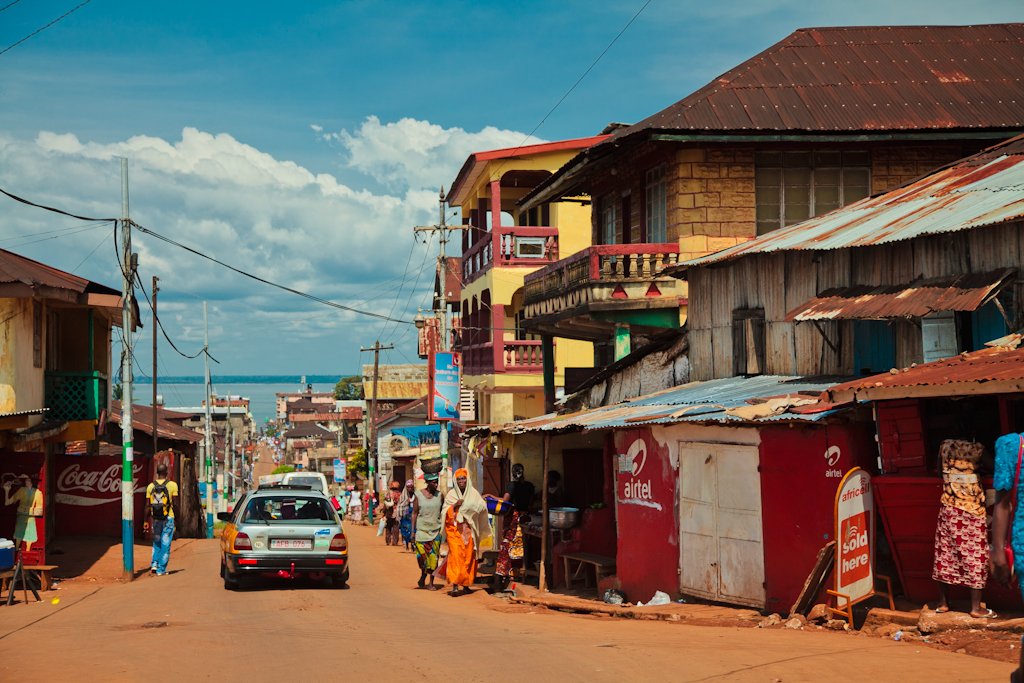
For now, the local health financing system remains limited for non-citizens. Most high-quality care is found in private clinics in Freetown, which operate largely on a “pay-for-service” basis. This creates a significant financial risk for families. If a child falls ill or a spouse requires surgery, the out-of-pocket costs can derail an entire academic career.
Because of this, international students and their families typically look to global insurers. These plans are designed to cover care within Sierra Leone’s private network while providing a critical “exit ramp”—medical evacuation to regional hubs like Accra, Nairobi, or even Europe when local facilities cannot meet the need.
10 Categories of Insurance for Families
When you begin your search, do not just look for “health insurance.” Look for these specific “buckets” of coverage that have proven effective in low-resource or “frontier” health environments.
1. Large Global Brokers and Platforms
Think of these as your navigators. Firms like Pacific Prime do not sell their own insurance; they provide a platform to compare dozens of family-specific plans. They are particularly useful for students because they understand the nuances of “area of cover.” They can help you find a plan that includes Sierra Leone but excludes high-cost regions like the USA, which can drop your premiums by 40% or more.
2. The “Big Four” Global Medical Insurers
Companies like Cigna Global, Bupa Global, Allianz Care, and AXA are the heavy hitters. They have the most robust “direct settlement” networks. This means if you go to a major private clinic in Freetown, the insurer pays the hospital directly, so you don’t have to scramble for cash. Their family plans are comprehensive, often including wellness checks and vaccinations for children.
3. Regional West African Insurers
There is a growing market of insurers based in Nigeria, Ghana, or Ivory Coast that include Sierra Leone in their network. These companies often have a better “on-the-ground” understanding of local hospitals. They can be more affordable than global giants while still offering a standard of care that far exceeds basic local options.
4. International Third-Party Administrators (TPAs)
Many universities or NGOs partner with TPAs. These organizations bundle insurance for groups of students. If your university has a partnership, ask if you can “opt-in” your dependants. These plans are often pre-negotiated at lower rates and are specifically designed for people living in fragile or developing health systems.
5. Stand-alone Evacuation and Catastrophic Cover
If you are on a very tight budget, you might choose to rely on local care for minor issues like the flu or small infections. However, you must have a “catastrophic” plan. These policies cover only the big things: major trauma, heart issues, or conditions requiring air ambulance evacuation. It is the “lifeboat” policy that ensures you can get to a world-class hospital in a different country if things go wrong.
6. Global Student-Specific Products
Some insurers, like IMG, offer products specifically branded for international students. The advantage here is that they understand “student life”—they are flexible with start and end dates and usually allow for spouses and children. Ensure the plan doesn’t just cover you in your “home country” but specifically lists Sierra Leone as a covered territory.
7. Geographically Restricted Expat Plans
This is a professional’s secret to saving money. Most “Expat” plans default to “Worldwide.” By choosing a “Regional” or “Excluding USA/HK/Switzerland” option, you get the same high-level care in Sierra Leone and nearby countries but at a fraction of the price.
8. Short-Term Travel Medical Insurance
If your program is less than a year—perhaps a language intensive or a research project—a high-end travel medical plan might suffice. These are often easier to apply for. However, be careful: many do not cover “routine” care like pregnancy or chronic condition management. They are for emergencies only.
9. Home-Country “Worldwide” Riders
Check your insurance back home. Some premium policies in countries like Germany, the UK, or South Africa allow you to add a “worldwide” rider for a certain period. However, read the fine print. Many of these exclude “high-risk” zones or countries with specific travel advisories. Ensure Sierra Leone is explicitly included.
10. Emerging SLeSHI-Linked Local Options
Keep an eye on the news between 2024 and 2026. As Sierra Leone’s national scheme matures, we may see private local insurers offering “top-up” plans that integrate with the national system. While not the primary choice today, these could become excellent supplemental options for families in the near future.
Understanding the Financials: What Will It Cost?
Pricing insurance is like pricing a car; it depends on the “extras.” For a student with a spouse and two children, you are looking at two primary budget bands.
The “Lean” Design ($100 – $250 per month)
This is your “Just-in-Case” plan. It focuses heavily on inpatient care (hospital stays) and evacuation. It usually carries a higher deductible (the amount you pay before insurance kicks in).
- Best for: Healthy families with older children who can afford to pay for occasional GP visits and medicine out of pocket.
The “Comprehensive” Design ($350 – $700+ per month)
This covers everything. It includes “outpatient” care (seeing a doctor for a cough), prescriptions, dental, and sometimes maternity.
- Best for: Families with young children (under 5) who need frequent check-ups, or those who want total peace of mind and zero out-of-pocket surprises.
Pro Tip: To lower your premium, increase your deductible. It is better to pay $50 for a doctor’s visit once a month than to pay an extra $200 in premiums every month for “free” visits.
Features You Must Prioritize
In Sierra Leone, not all insurance benefits are created equal. Some are “nice to have,” but others are non-negotiable.
- Medical Evacuation (The Golden Rule): This is the most important part of your policy. If a family member has a complex neurological issue or severe malaria that requires specialized equipment, they may need to be flown to Accra or London. Without evacuation coverage, an air ambulance can cost $20,000 to $50,000 upfront.
- Inpatient/Emergency Care: Ensure the policy covers private hospital rooms and intensive care. You want access to the best private facilities in Freetown, such as the Choithram Memorial Hospital or similar high-standard clinics.
- Maternity (With Caution): If you plan on expanding your family, be aware that most international plans have a 10-to-12-month waiting period. You cannot buy the insurance after you are already pregnant and expect it to cover the birth.
- Repatriation of Remains: It is a grim topic, but professional planning requires it. This covers the cost of returning a body to your home country.
Actionable Tips for Families and Advisors
1. The “Visa” Reality Check
Unlike Australia (OSHC) or the UK (IHS), Sierra Leone does not currently have a mandatory, government-mandated health surcharge for student visas. However, your university might. Many international partnerships require “proof of adequate insurance” before they allow you to enroll. Don’t wait until the last minute to find this out.
2. Verify the “Network”
Before you sign, ask the insurer: “Do you have a direct billing agreement with hospitals in Freetown?” If they say no, it means you have to pay the hospital bill yourself, keep the receipts, and wait weeks for a refund. For a family, that can be a massive cash-flow burden.
3. Use a Broker, But Ask the Right Questions
Brokers are free for you to use (they get paid by the insurance companies). Use them. But don’t just ask for the “cheapest” plan. Ask: “Which of these companies has the fastest claims processing for West Africa?”
4. Monitor the National Reforms
The landscape is changing. The Agency for Universal Health Coverage is actively working on financial protection. As of 2024, keep checking with the Ministry of Health or your university’s international office. By 2025 or 2026, there may be a local “social” option that covers basic care, allowing you to buy a much cheaper “evacuation-only” international plan.
Pro Tips:
Living in Sierra Leone as an international student is a profound opportunity for growth. It is a country of resilience and beauty. By securing a robust, family-oriented medical plan, you move from a position of vulnerability to a position of strength.
You aren’t just buying insurance; you are buying the ability to focus on your studies and your family’s well-being without the constant “what-if” of a health crisis hanging over your head. Start your research early, prioritize evacuation, and choose a plan that grows with you.Your education is an investment. Protect it.
References:
- International Medical Group. (2023). International student insurance.https://www.imglobal.com/international-student-insurance
- Pacific Prime. (2022, December 31). Do you offer health insurance cover in Sierra Leone?https://www.pacificprime.com/questions/do-you-offer-health-insurance-cover-in-sierra-leone/
- The Government of Sierra Leone. (n.d.). National health compact: Sierra Leone [Policy document on national health insurance and universal health coverage]. The World Bank.
- AECC Global. (2023, December 1). International health insurance for students studying abroad.https://aeccglobal.com.bd/blog/international-health-insurance-for-students-studying-abroad
- Australian Trade and Investment Commission. (2025, December 31). Overseas student health cover. Study in Australia.https://www.studiesinaustralia.com/studying-in-australia/how-to-study-in-australia/student-visas/overseas-student-health-cover