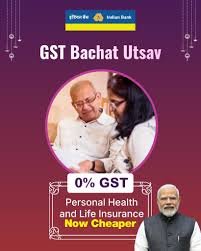
India’s tax policy on health insurance has entered a fresh phase of debate as policymakers, health economists, and consumer advocates question whether the current Goods and Services Tax (GST) rate is discouraging people from buying coverage. Health insurance premiums in India attract an 18 percent GST. For millions of households already dealing with rising medical costs, that tax can significantly increase the final premium amount.
The issue has become more urgent as India continues to face a growing burden of chronic diseases and rising healthcare inflation. According to data from the National Health Accounts of India and several health policy institutions, out of pocket medical spending still accounts for nearly half of the country’s total healthcare expenditure. Critics say that taxing health insurance at a relatively high rate makes protection against medical emergencies harder to afford, especially for middle income and lower income families.
Why GST on Health Insurance Is Becoming a Major Policy Debate
India introduced the Goods and Services Tax system in 2017 to simplify the country’s indirect tax structure. Insurance services were placed under the 18 percent GST slab. At the time, policymakers argued that the unified tax system would improve efficiency and transparency across sectors.
However, health insurance differs from many other services. It functions as a social protection tool. When premiums become more expensive due to taxation, fewer people buy coverage. That can push families into financial distress during medical emergencies.
Health policy experts note that India still has relatively low health insurance penetration compared with many developed economies. According to the Insurance Regulatory and Development Authority of India (IRDAI), the country’s insurance penetration stood around 4 percent of GDP in recent years. Health insurance accounts for only a portion of that figure.
A high tax on premiums adds another layer of cost. For example, if a family pays ₹20,000 annually for health insurance, the GST portion alone amounts to ₹3,600. For households managing tight budgets, this difference can be significant. As a result, many consumers either choose lower coverage or avoid buying insurance altogether.
Public health researchers also point to the broader economic impact. When more citizens remain uninsured, government hospitals face greater pressure. Patients delay treatment. Healthcare spending becomes reactive rather than preventive. These patterns can strain the entire health system over time.
Key Reasons Experts Are Calling for GST Reduction
Several economists and healthcare analysts believe that lowering or removing GST on health insurance could improve access to financial protection and reduce medical poverty. Their arguments often focus on affordability, insurance penetration, and long term healthcare sustainability.
Below are the main points often raised in policy discussions.
- Improving Affordability for Households
Lower GST would directly reduce the cost of health insurance premiums. Even a modest tax cut could save families thousands of rupees each year. - Increasing Insurance Penetration
India’s health insurance coverage remains uneven. Many rural and informal sector workers lack adequate protection. A tax reduction could encourage more households to purchase policies. - Reducing Out of Pocket Medical Spending
According to World Health Organization estimates, India historically had one of the highest out of pocket healthcare expenditure rates among major economies. Higher insurance adoption could reduce that burden. - Supporting Preventive Healthcare
Insurance often promotes early medical consultation and routine health checks. When coverage becomes more affordable, patients are more likely to seek timely treatment. - Strengthening the Healthcare Ecosystem
Insurance payments can stabilize hospital revenue streams. That stability encourages investment in infrastructure, technology, and skilled healthcare professionals.
Supporters of tax reform say health insurance should be treated similarly to essential services rather than luxury consumption. Many developed nations either exempt health insurance from consumption taxes or apply minimal tax rates.
Comparing GST Impact on Health Insurance Premiums
The effect of GST becomes clearer when comparing different premium scenarios. The table below illustrates how the tax influences the total cost paid by policyholders.
Example: How GST Increases Health Insurance Premium Costs
| Base Premium (Annual) | GST Rate | GST Amount | Total Premium Paid |
|---|---|---|---|
| ₹10,000 | 18% | ₹1,800 | ₹11,800 |
| ₹20,000 | 18% | ₹3,600 | ₹23,600 |
| ₹40,000 | 18% | ₹7,200 | ₹47,200 |
| ₹60,000 | 18% | ₹10,800 | ₹70,800 |
| ₹1,00,000 | 18% | ₹18,000 | ₹1,18,000 |
For families with larger policies covering multiple members, the tax component can become substantial. Insurance industry groups argue that reducing GST could help many middle class households upgrade to higher coverage plans.
What Policymakers and Industry Leaders Are Saying
The debate around GST on health insurance has reached multiple policy forums. Industry representatives, health economists, and consumer groups have repeatedly urged the government to reconsider the tax rate.
Insurance associations have submitted proposals suggesting that GST on health insurance should be reduced to 5 percent or removed entirely. Their argument is straightforward. Lower taxes would expand the insurance market and strengthen financial protection for families.
Some policymakers acknowledge the concern but also highlight fiscal realities. GST is a major revenue source for both central and state governments. Any tax reduction must balance public health goals with revenue considerations.
Experts also note that India has already introduced several government funded insurance programs aimed at improving coverage among vulnerable populations. One major example is the Ayushman Bharat scheme, which provides health coverage to millions of low income families.
However, private insurance still plays a critical role. Government programs often cover limited services or specific income groups. Middle income households usually depend on private health insurance for comprehensive coverage.
Health economists suggest that targeted tax reforms could support this segment without undermining fiscal stability. Options include lower GST rates for basic health policies or tax exemptions for senior citizens and families with lower incomes.
Long Term Implications for India’s Healthcare System
The GST debate goes beyond insurance pricing. It touches on deeper questions about how countries finance healthcare and protect citizens from financial shocks.
India’s healthcare spending patterns reveal an ongoing transition. The country is investing more in hospitals, digital health technologies, and insurance based financing models. At the same time, lifestyle diseases such as diabetes and cardiovascular conditions are increasing rapidly.
These trends make financial protection more important than ever. When insurance coverage expands, patients gain access to early diagnosis and treatment. Hospitals benefit from stable payment flows. Governments face fewer emergency care pressures.
If insurance premiums remain expensive due to taxation, the system may struggle to achieve these goals. Many health economists argue that preventive financial protection should be encouraged rather than taxed heavily.
Several global examples support this perspective. In countries like the United Kingdom and Canada, public healthcare systems reduce direct medical payments for citizens. In many European nations with mixed systems, insurance services are either tax exempt or taxed at lower rates.
India’s policy debate therefore reflects a broader global question. Should health protection be treated primarily as a commercial service or as a public good that deserves special policy support?
Trending FAQ
Why is GST charged on health insurance in India?
Health insurance services fall under the broader insurance category within the Goods and Services Tax framework. Under current GST rules, insurance services attract an 18 percent tax, which is applied to the premium paid by policyholders.
How does GST affect the cost of health insurance premiums?
GST increases the final amount consumers pay. For example, a premium of ₹20,000 becomes ₹23,600 after adding 18 percent GST. This tax can significantly raise the cost for families purchasing comprehensive policies.
Are there proposals to reduce GST on health insurance?
Yes. Several industry groups, policy experts, and consumer advocates have suggested lowering the GST rate to make health insurance more affordable and improve coverage rates across the country.
Would removing GST increase health insurance coverage?
Many experts believe it would. Lower premiums typically encourage more households to purchase insurance, which can reduce out of pocket healthcare spending and improve financial protection.
Does India provide any government funded health insurance programs?
Yes. Programs such as Ayushman Bharat offer health coverage to millions of low income families. However, private insurance remains essential for middle income households seeking broader coverage and faster access to healthcare services.