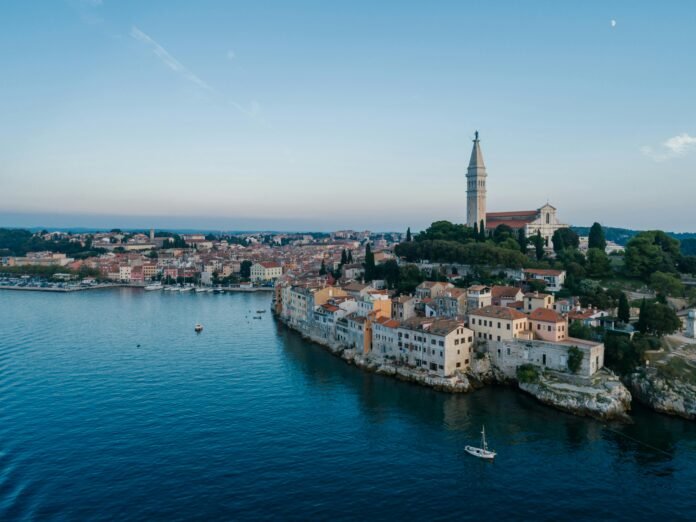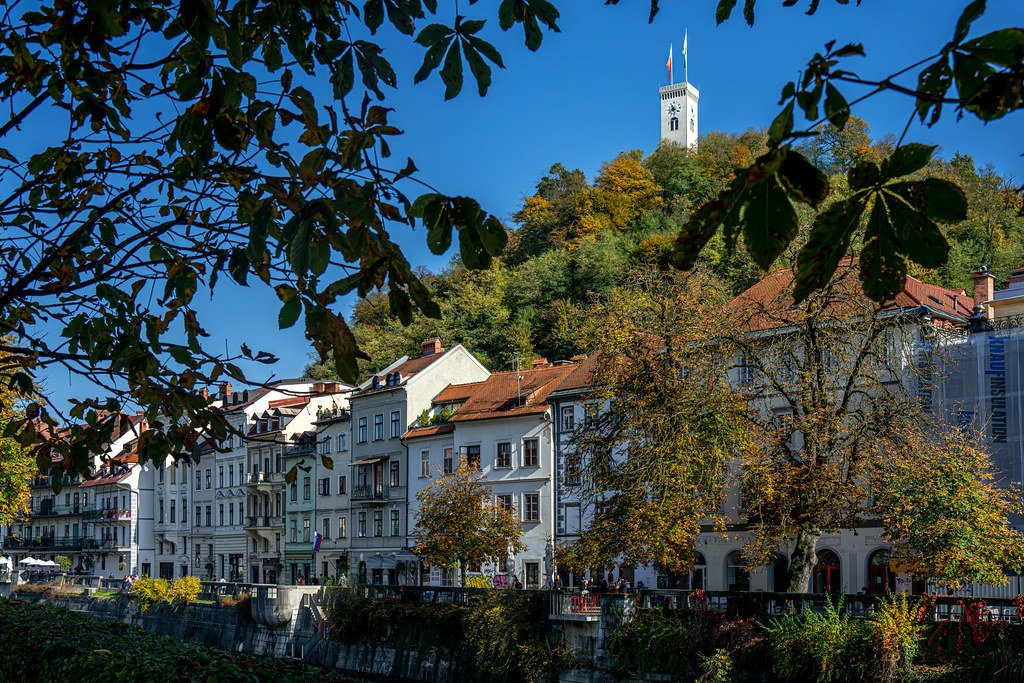
Moving to Slovenia for university studies represents a desire for academic achievement combined with living in a country that has a good quality of life. The natural beauty of the surrounding mountains and sea provide a peaceful setting for your studies; however, you should be aware of the administrative processes, particularly those relating to health care, which require careful consideration. It is essential to distinguish between mandatory government-sponsored insurance and voluntary privately sponsored plans. Your ability to establish a valid legal residence in Slovenia depends upon choosing one of these options.
The Slovene national public health service is operated by the Health Insurance Institute of Slovenia (known locally as Zavod za zdravstveno zavarovanje Slovenije or ZZZS). Although the system is strong and well-organized, it does not offer complete “free” access to health services. Depending on where you are from, how long you plan to remain in the country, and if you have dependents, will determine the path you need to take. This information will assist you in making an educated, money-saving choice when navigating the complex issues of the Slovenian system.
1. The Legal Framework: Compulsory Insurance and Visa Compliance
The first hurdle any international student faces is the “D-type” visa or a temporary residence permit. To secure these, the Slovenian Ministry of the Interior requires proof of adequate health insurance. This is where the complexity begins.
The ZZZS Mandate (M-1 Registration)
Registration for obligatory health insurance (ZZZS) is compulsory for many international (non EU) students. According to the “insurance base 43” regulations, all students not covered by an agreement of reciprocity with their home country are required to be registered in the Slovene National Insurance Scheme. The registration process is through the M-1 application form. Once you have been registered in the Slovenian national health system, you will have exactly the same rights and obligations as Slovene citizens, however you will need to make the same contributions.
The present flat monthly contribution that students pay themselves for ZZZS is around €160 – €170 per month; this rate is periodically reviewed based on national average rates. Payment of the fixed monthly fee enables access to the public health service. There is one important difference: Compulsory Health Insurance in Slovenia does not generally cover 100% of all medical expenses. Most treatments are usually covered at levels of 70%, 80% or 90%.”
Reciprocal Agreements and the EHIC
If you’re a citizen of one of the European Union member states, your European Health Insurance Card (EHIC) gives you rights to necessary public health care on the same terms as local citizens. Slovenia also has bilateral agreements with neighboring countries such as Bosnia and Herzegovina, Serbia, Montenegro and North Macedonia. In many cases students from those regions may be able to get some level of coverage by using their home country insurance through special forms (for example in the case of students from Serbia they would fill out a SI/SRB form). The main problem is that this type of agreement only covers urgent or necessary medical treatments. It does not cover the same kinds of routine exams and treatment for chronic conditions as having full residency based insurance.
2. Identifying the Coverage Gap: Why Public Insurance Isn’t Enough
Many students mistakenly believe that ZZZS registration is the end of their insurance journey. It is not. In the Slovenian system, most residents carry “supplementary” insurance to cover the co-payments that the public system does not pay.
The Role of Supplementary Insurance
In the event that one relies exclusively on ZZZS, a single visit to a specialist or even a single diagnostic test can easily amount to an extra charge equaling twenty percent of the total. When adding up all the charges over the course of a long semester, this is a significant amount. However, there are alternative choices, as well. Commercial companies such as Vzajemna, Triglav, and Generali offer supplemental insurance plans which will cover those gaps. The problem is that for many students the “standard” supplemental insurance coverage provided by these companies might not provide the best value when compared with purchasing specialized international student insurance.
Services Often Excluded from ZZZS
Public insurance is designed for primary care and hospital stabilization. It is notably lacking in:
- Medical Repatriation: The cost of transporting you back to your home country in the event of a severe illness or death is not covered. This can cost tens of thousands of euros.
- Non-Urgent Dental Care: High-quality dental work often requires significant out-of-pocket spending.
- Private Clinics: ZZZS only pays for providers within the public network. If you wish to see a specialist without waiting months, you will likely head to a private clinic where ZZZS holds no value.
- Travel Assistance: If you travel to Italy or Austria for a weekend, your Slovenian ZZZS coverage has limited portability.
3. Priorities for Single Students: Efficiency and Compliance
For the individual student, the goal is often to find the lowest cost policy that still satisfies the strict requirements of the administrative unit (Upravna enota) for residency.
Visa-Ready Documentation
When you submit an application for your permit, the clerk is going to be looking for certain wording in your policy. Most generic travel insurance policies issued by your home country fail the test. What you really need is a document that specifically states it covers “all of the medical risk” while you are in Slovenia as well as emergency repatriation. The commercial providers (Feather and Swisscare) offer tailored ‘Student’ policies for “Slovenia,” which are designed to meet those very same requirements. These companies also provide a digital certificate, which has already been approved by Slovenian authorities.
Managing Costs vs. Deductibles
Consider your overall health status. If you’re in good health, consider the cost savings of a plan that has a high deductible but low monthly premium. But check to see how much your “out-of-pocket maximum” is. What looks like a great deal on paper — a $40 per month premium, for example — could require you to pay up to $500 before the insurance company will start paying for each doctor’s visit. For students living on tight budgets, the ‘first euro’ plans can provide some protection against unexpected medical bills — although they do come with a slightly higher monthly premium.
4. Family Coverage: Protecting Your Dependents
Bringing a spouse or children to Slovenia introduces a new set of variables. The administrative burden increases, as does the financial risk.
The M-MS Form and Family Bundling
If you are registered in the ZZZS system, you may be able to extend coverage to your family members through the M-MS form. This “family member” registration is crucial. Children in Slovenia generally receive high-priority, comprehensive care, but the registration must be done within eight days of their arrival or birth.
Comparing Commercial Family Plans
Sometimes, registering a spouse for ZZZS and then adding supplementary insurance is more expensive than a single comprehensive international family policy. International expat insurers often provide “add-on” rates for dependents that include maternity and pediatric benefits which are more flexible than the public system.
Critical Check: Does the private plan allow for direct billing for pediatricians? Having to pay €200 upfront for a child’s emergency ear infection visit and waiting six weeks for reimbursement is a significant strain on a student’s cash flow.
5. The Provider Selection Checklist: A Data-Driven Approach
When evaluating an insurance provider, do not be swayed by marketing. Use this checklist to compare 2–3 specific quotes:
- Network Depth: Does the insurer have a “direct billing” agreement with major Slovenian hospitals (like UKC Ljubljana)? If they do not, you must pay the bill yourself and file a claim.
- Mental Health: Does the plan cover counseling or psychiatric sessions? The stress of international relocation makes this a vital, yet often overlooked, benefit.
- Repatriation Limit: Ensure the limit is at least €30,000. This is a standard requirement for many D-visas.
- Chronic Conditions: If you have asthma, diabetes, or another pre-existing condition, verify the “waiting period.” Some insurers exclude these for the first six months.
- Claim Process: Look for insurers with an app-based claim system. Modern providers allow you to take a photo of a receipt and receive a bank transfer within days. Avoid companies that require physical mail and translated documents.
6. Practical Steps to Enrollment
Follow this sequence to ensure you are covered from the moment you cross the border:
- Verify Reciprocity: Contact your local health authority at home to see if a bilateral agreement exists. If you are from the EU, ensure your EHIC is valid for your entire stay.
- Consult the University: The International Office at the University of Ljubljana, Maribor, or Primorska often has updated “price sheets” for the current year’s ZZZS rates.
- Secure “Bridge” Insurance: Even if you plan to join ZZZS, you will need a 30-day private policy to cover your first month while the ZZZS paperwork is being processed at the Upravna enota.
- Compare Three Quotes: Get quotes from a local Slovenian insurer (for supplementary) and two international providers (like Swisscare or Dr-Walter).
- Audit the Contract: Check for exclusions related to “high-risk activities.” If you plan to ski in the Julian Alps or hike in Triglav National Park, ensure your policy doesn’t exclude mountain rescue or sports injuries.
Making the Final Decision
Healthcare insurance options in Slovenia are not limited to a single plan. Many people choose the most cost-effective option – to join the Slovenian national healthcare (ZZZS) to fulfill legal obligations and have protection for possible future needs for long-term care, while at the same time choosing a less expensive international policy for repatriation and reimbursement purposes.
Direct billing and obtaining your visa will provide you with protection as well as the ability to enjoy your time abroad without worrying about your financial or legal situation. Don’t delay in taking advantage of this service. Once you obtain your complete policy, you can feel secure and be able to focus on your studies and moving to a new country in Central Europe.
References:
- American Psychological Association. (2026, February 9). AI references – APA Style. https://apastyle.apa.org/style-grammar-guidelines/references/examples/ai-references
- Data.si. (2020, December 27). Health insurance in Slovenia for foreigners and their families. https://data.si/en/blog/health-insurance-in-slovenia-for-foreigners-and-their-families/
- Feather Insurance. (2026, February 26). Expat health insurance for Slovenia – visa-compliant cover. https://feather-insurance.com/en-si/health-insurance/expat
- Franklin University. (n.d.). APA citation style 7th edition: ChatGPT. https://guides.franklin.edu/APA/chatgpt
- Health Insurance Institute of Slovenia. (n.d.). Studying in Slovenia. https://www.zzzs.si/en/accessing-healthcare-in-slovenia/studying-in-slovenia/
- Indigo Expat. (2025, January 29). International health insurance Slovenia for expatriate. https://indigo-expat.com/en/informations/country-guide/international-health-insurance-expatriates-slovenia/
- Pacific Prime. (2024, December 31). Slovenia health insurance for expats. https://www.pacificprime.com/country/europe/slovenia-health-insurance-pacific-prime-international/
- Swisscare. (n.d.). International student health insurance Slovenia. https://swisscare.com/en/country/slovenia
- Study in Slovenia. (2020, August 30). Health insurance. https://studyinslovenia.si/live/health-insurance/
- Study in Slovenia. (n.d.). Health-system-for-international-students [PDF]. https://studyinslovenia.si/wp-content/uploads/Health-system-for-international-students.pdf
- University of Ljubljana. (n.d.). Student health and meals system. https://www.uni-lj.si/en/study/international-students/student-health-and-meals-system
- Victoria University Library. (2015, August 22). APA 7th referencing: Generative AI. https://libraryguides.vu.edu.au/apa-referencing/generativeAI