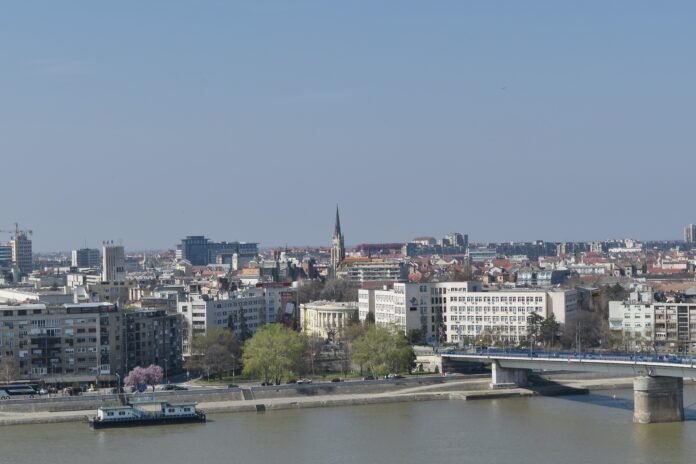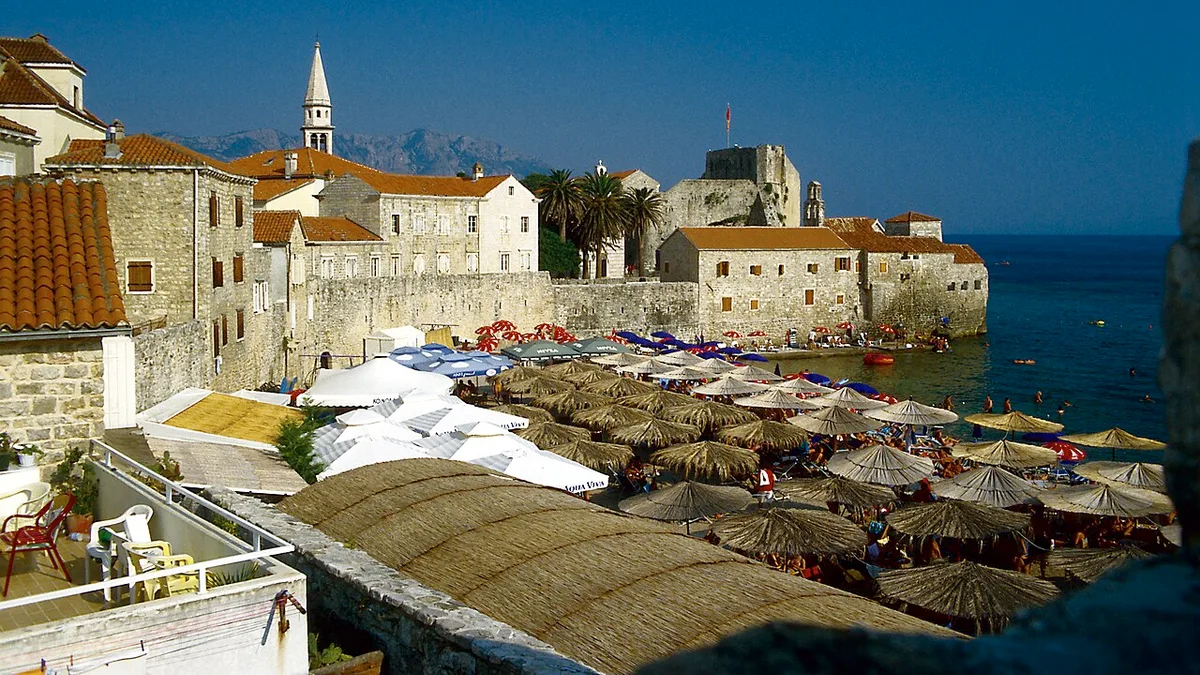
Montenegro’s allure as an attractive destination for students has grown at a rapid pace. This beautiful region combines a stunning coastline along the Adriatic Sea, rugged mountains that provide breathtaking views and developing university systems. However, there are many other factors in moving to Montenegro beyond just choosing a new home. For example, among all of your administrative tasks, obtaining suitable health insurance is likely one of the most important.
Montenegro’s healthcare system is transitioning from its former structure (i.e., socialist) to a new Western model. Understanding the current status of this evolving system will allow you to create a plan to ensure that you have adequate protection against any medical costs. In addition, whether you are a single student on a tight budget or have moved to Montenegro with your entire family, your health coverage should meet the local government’s minimum requirements but also provide some level of peace of mind.
This guide will help you understand which options best fit your needs; what are the necessary steps to comply with local immigration regulations and which policy best fits your needs during your time in Montenegro.
1. The Montenegrin Healthcare Reality: Public vs. Private
The first step in making an educated choice about which health insurance option is best suited for your needs will be to familiarize yourself with the way that the local health care system works. The country of Montenegro has a publicly funded health care system based on taxation, and it is administered by the Health Insurance Fund of Montenegro (Fond za zdravstveno osiguranje Crne Gore – FZOCG). While in theory the public system should provide broad access to every citizen and registered legal resident, in reality its utility as a viable source of medical coverage for international students can be limited.
The Public System Limitations
- Registration Hurdles: You can only register with the FZOCG after your temporary residence permit (privremeni boravak) is officially approved. This creates a regulatory catch-22. To apply for the permit in the first place, you must show proof of valid health coverage.
- The Cost: If your home country does not have a bilateral social security agreement with Montenegro, you may register with the FZOCG once your residence is established. This pathway costs roughly €60 per month.
- The Language Barrier: The public system operates almost entirely in Montenegrin. Navigating appointments, prescriptions, and specialist referrals can be incredibly stressful if you do not speak the local language.
- System Bottlenecks: Long wait times and varying standards of equipment mean that most expatriates and international students rely on private clinics for routine care.
Because of these factors, the vast majority of international students utilize private health insurance. It bridges the initial visa application gap and guarantees smoother, faster access to English-speaking medical professionals.
2. What to Evaluate First: The Five Essential Pillars
Before comparing premiums, you must evaluate the structural details of any policy. Not all health insurance plans are created equal. Focus on these five critical areas to protect your health and your visa status.
I. Visa and Temporary Residence Compliance
The most significant hurdle to entering school in Montenegro is obtaining a valid student visa or temporary residence permit. Montenegro’s Ministry of the Interior (MUP) has high expectations regarding insurance requirements.
The insurance that you purchase must be effective as of the date that you apply for residency. Additionally, it can be either a locally purchased private policy or an internationally accepted program. Both types of policies must demonstrate that they are good through the entire duration of your visit. Generally, immigration expects that the policy covers at least €30,000 in case of emergency medical treatment.
Locally purchased private insurance premiums are usually around €200-€400 annually. In addition, you should ensure that your provider issues a certified copy of your policy with an official stamp and that the document is written in, or that it includes a translation into, the Montenegrin language. Absent this documentation, there will likely be a delay in processing your application for residency.
II. Geographic Coverage Area
Do you think you would be able to get away during breaks? Only in Montenegro will a domestic policy protect you. If you are planning on going back to your hometown for holiday weekends or to go to nearby Croatia, Bosnia, or Serbia on weekends a domestic policy would leave you with zero protection. The international policy is obviously better than a domestic policy. An international policy provides regional or world wide insurance coverage. Most of the European focused international student plans have automatic world wide (Schengen) coverage. That can make a huge difference if you want to see as much of Europe as possible.
III. Emergency Evacuation and Repatriation
Many young students underestimate the importance of having access to quality healthcare when they study abroad. Montenegro has an excellent health system, however the majority of the best medical care is found in the capital city of Podgorica. Primary health care is available throughout the country, however if you were to be injured or experience a serious illness while studying along the coast (in cities such as Kotor, Tivat, Budva), there will be no hospital with the necessary facilities to treat the injury or illness. If your case was serious enough, you would have to get on an ambulance and be transported back to Podgorica or in extreme cases have to be medically evacuated from Montenegro to either Belgrade, Zagreb or back to your home country. Make sure that your insurance policy includes both medical evacuation and repatriation. Also, make sure that the maximum amount of money allowed under your policy for medical evacuation/repatriation is at least $50,000.00, preferably unlimited.
IV. Direct Billing and Hospital Networks
When you get sick, the last thing on your mind should be filling out forms with an insurance company. With Direct Billing, the insurance company will cover your hospital bills directly. Your responsibility would be to pay the designated co-pay (if applicable) to the hospital or clinic that treated you.
If direct billing is not possible, you will need to pay the entire cost of treatment at the time of service. Then, after paying the cost, you’ll have to send all the receipts to your insurance company to be reimbursed. This could take anywhere from 2-6 weeks, draining what little money you may have left in your student bank account.
- Podgorica: Look for affiliations with major private clinics like Moj Lab or Codra.
- The Coast (Tivat, Kotor, Budva): Ensure they have network partners near your campus.
V. Waiting Periods and Exclusions
Read the fine print. Almost every insurance policy contains exclusions and waiting periods. A waiting period is the time that must pass after purchasing your policy before you can claim benefits.
Typical exclusions and waiting periods to look out for include:
- Pre-existing Conditions: Most basic plans exclude any illness you had before buying the policy.
- Dental Care: Usually restricted to emergency pain relief unless you purchase an expensive add-on.
- Mental Health Services: Psychotherapy and psychiatric care are frequently excluded or carry low limits in standard student packages.
- Sports Injuries: If you plan to join university sports clubs or ski in the Montenegrin north (Kolašin or Žabljak), check if your policy covers adventure sports.
3. Designing Your Setup: Single Student vs. Family
Your demographic profile dictates your coverage priorities. What works perfectly for a twenty-year-old undergraduate will fail a master’s student relocating with a spouse and child.
+———————————–+————————————+
| Single Student Priorities | Family Setup Priorities |
+———————————–+————————————+
| • High affordability | • Pediatric care & vaccinations |
| • Strict visa compliance | • Maternity and newborn benefits |
| • Low-cost outpatient care | • Single-policy administration |
| • Telehealth & English hotlines | • Low co-pays for routine visits |
+———————————–+————————————+
The Single Student Approach
If you are relocating alone, your primary goals are affordability and visa compliance. You are likely young and relatively healthy.
- Prioritize Outpatient Services: You will mostly need coverage for GP visits, prescription medications, and occasional laboratory blood work.
- Utilize Telehealth: Many modern student policies offer 24/7 digital medical consultations. This allows you to speak to an English-speaking doctor via video app. It saves you an unnecessary trip to a physical clinic.
- Consider Portability: If your academic program involves a semester abroad or an internship in another European country, an international student plan is highly practical. It moves with you effortlessly.
The Family Setup
Moving to Montenegro with dependents shifts your priorities from low premiums to comprehensive protection. Medical needs scale rapidly with children.
- Pediatric Care and Vaccinations: Ensure your policy covers routine childhood wellness checks. It should also cover the standard vaccination schedule.
- Maternity Coverage: If you plan to expand your family during your studies, look closely at maternity limits. Be aware that maternity benefits almost always carry a 10-month to 12-month waiting period. You must buy the policy well before becoming pregnant.
- Consolidated Policies: While you can enroll children on separate policies, a single family plan is simpler. It minimizes your administrative workload and often includes shared deductibles.
- Evaluate Co-pays: A low monthly premium with a 30% co-pay can quickly become expensive with young children. For families, look for plans with zero or minimal co-pays for pediatric visits and emergency room admissions.
4. Comparing Provider Types in Montenegro
You have three main paths when sourcing your coverage. Each type of provider offers distinct pros and cons.
HEALTH INSURANCE OPTIONS
|
+———————————–+———————————-+
| | |
Local Private International Voluntary Public
(Lovćen, Uniqa, Sava) (April, Allianz) (FZOCG)
| | |
– Budget-friendly – Seamless border coverage – Access to state clinics
– Direct local billing – Strong English support – €60/month (after residence)
– No coverage outside MNE – Higher premium costs – Heavy language barriers
Option A: Local Private Insurers
Montenegro has a well-established local insurance market. The dominant players are Lovćen Osiguranje, Uniqa Osiguranje, Generali, and Sava Osiguranje.
- The Pros: These companies are highly trusted by local visa offices. Their certificates are accepted instantly. They maintain excellent direct-billing networks with private clinics in major Montenegrin cities. They are also highly affordable.
- The Cons: Coverage is strictly domestic. Customer service portals and policy documents may not always be available in English.
Option B: International Private Insurers
Global expat insurers like April International, Allianz Care, or Cigna offer tailored international student packages.
- The Pros: These plans offer premium global coverage. You get multilingual 24/7 support hotlines, easy-to-use digital claim apps, and high coverage limits. They seamlessly cover you during trips outside Montenegro.
- The Cons: Premiums are significantly higher than local options. You must verify that the local private clinic you visit will accept direct billing from an international provider. Otherwise, you must pay upfront and claim reimbursement later.
Option C: Voluntary Local Public Health Insurance
As an international resident, you can opt into the state FZOCG system once your residence permit is issued.
- The Pros: It is a budget-friendly option at approximately €60 per month. It grants you access to state-run primary care facilities (Dom Zdravlja) across the country.
- The Cons: It does not meet the initial insurance requirement for your visa application. You still need private insurance for that first step. Additionally, the bureaucratic complexity of registering with the FZOCG can be daunting without a local translator.
5. Seven Critical Questions to Ask Your Broker
Do not purchase a policy based on the monthly premium alone. Before signing any contract, ask your broker or insurance representative these seven questions:
- Is this specific policy certificate accepted by the Ministry of the Interior (MUP) for my student visa application?
- Why: Some basic travel policies do not satisfy the exact residency requirements. You need explicit confirmation.
- Does the policy cover outpatient visits, emergency hospitalization, prescriptions, and laboratory tests in full?
- Why: Some cheap policies only cover hospitalization. They leave you to pay for basic GP visits and medication out of pocket.
- What are the exact waiting periods and limits for dental care, mental health services, and maternity?
- Why: These three areas carry the most restrictive terms in the insurance industry.
- Can I cover my spouse and children under this single policy, and do we share a deductible?
- Why: Understanding how your family deductible is structured prevents unexpected out-of-pocket costs.
- Do you have direct-billing agreements with private clinics in Podgorica, Tivat, Kotor, and Budva?
- Why: Knowing which clinics accept your card directly saves precious time during a medical emergency.
- Is medical evacuation and repatriation included, and what is the maximum financial limit for this benefit?
- Why: If you need to be flown home or to a specialized regional facility, this benefit protects you from catastrophic debt.
- How do I file a claim, and is your emergency customer support available in English 24/7?
- Why: When you are sick at 3:00 AM, you cannot afford to struggle with language barriers or slow email response times.
6. Actionable Recommendation: Your Step-by-Step Buying Strategy
To secure the best value, avoid the temptation to simply click “buy” on the cheapest online offer. Use this structured approach to finalize your coverage:
- Step 1: Determine Your Travel Profile. If you plan to remain strictly within Montenegro, focus your search on local insurers. If you intend to travel home often or explore the Schengen zone, filter exclusively for international student plans.
- Step 2: Collect Three Competing Quotes. Request quotes from at least one local insurer (such as Sava or Lovćen) and two international student providers (such as April International or Allianz).
- Step 3: Map the Clinics. Identify the closest private clinic to your university housing in Montenegro. Contact them directly or check their website to see which of your three quoted insurers they have direct-billing agreements with.
- Step 4: Check the Language of Your Documentation. If you choose a local provider, confirm they will supply an English version of the policy for your understanding, alongside the Montenegrin version required for your visa.
- Step 5: Purchase and Print. Buy your policy at least two weeks before your visa appointment. Print multiple physical copies of your insurance certificate. Keep one with your passport and submit one to the immigration office.
By taking these deliberate steps, you will protect both your physical well-being and your academic future in Montenegro. Safe travels, and success in your studies!
References:
- OpenAI. (2026). ChatGPT [Large language model]. https://chat.openai.com/
- ExpatLife.Ai. (2026, March 25). Montenegro healthcare guide (2026). https://expatlife.ai/montenegro/healthcare
- APRIL International. (2026, January 31). Health insurance in Montenegro. https://www.april-international.com/en/destinations/europe/health-insurance-in-montenegro
- Allianz Care. (2026, January 13). International student health insurance. https://www.allianzcare.com/en/personal-international-health-insurance/who-we-help/students.html
- Sava osiguranje. (n.d.). Voluntary health insurance. https://www.sava.co.me/me-en/insurance/voluntary-health-insurance/
- Global Health. (2026, April 15). International health insurance for expats in Montenegro. https://globalhealth.insurance/destination/international-health-insurance-for-expats-in-montenegro/
- Indigo Expat. (2025, January 27). International health insurance Montenegro for expatriate. https://indigo-expat.com/en/informations/country-guide/international-health-insurance-expatriates-montenegro/
- United Kingdom Government. (n.d.). Health – Montenegro travel advice. https://www.gov.uk/foreign-travel-advice/montenegro/health