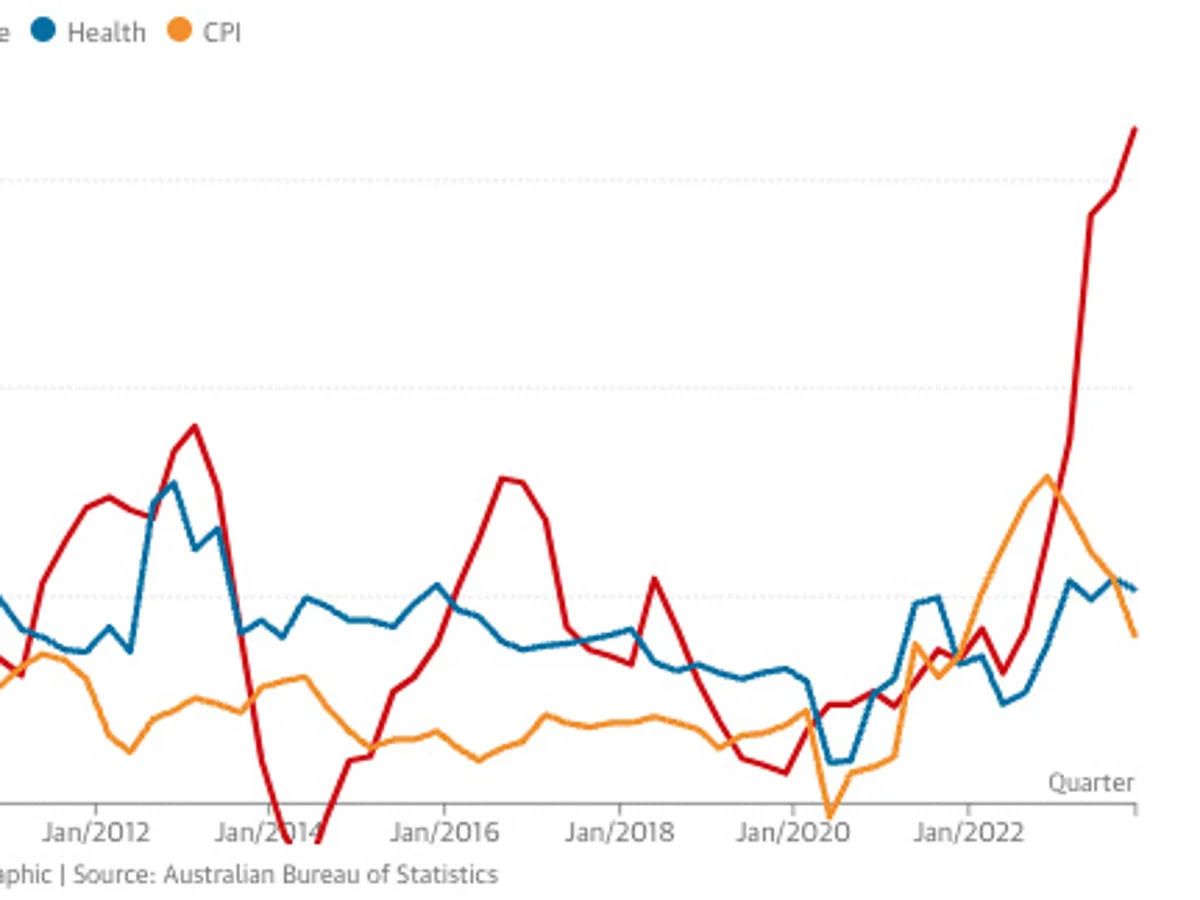
Health insurance costs in Australia are climbing at a pace that is alarming both households and policy experts. Premiums, once seen as a manageable safety net for families, are now increasing at rates many consumers describe as unsustainable. Recent industry commentary and analysis from financial and healthcare observers indicate that the total cost burden linked to private health insurance and related medical services has risen dramatically, in some cases reaching levels estimated to be nearly ten times higher than earlier projections or historic benchmarks.
For millions of Australians, this trend is not just an abstract policy debate. It is a daily financial reality. Families are reassessing whether they can continue to maintain private health cover. Younger policyholders are questioning the value of paying high monthly premiums. Meanwhile, healthcare providers and insurers warn that complex structural factors, including rising medical treatment costs, an ageing population, regulatory pressures, and growing demand for specialist services, are pushing the entire system toward higher expenses.
Why Health Insurance Costs Are Rising So Rapidly
Healthcare spending has increased steadily across developed economies. Australia is no exception. According to data from the Australian Institute of Health and Welfare, national health expenditure has surpassed hundreds of billions of dollars annually. Private health insurance plays a major role in this system by helping to cover hospital treatment, specialist consultations, and elective procedures that are not fully funded through public healthcare.
However, several overlapping factors are driving the sharp rise in insurance costs.
First, the cost of delivering medical care itself has grown significantly. Hospitals rely on advanced technology, specialised staff, and modern infrastructure to provide treatment. These improvements lead to better outcomes for patients, yet they also come with substantial financial requirements. When hospitals charge more for services, insurers must increase premiums to cover the payouts.
Second, demographic changes are affecting the risk pool. Australia’s population is ageing. Older individuals typically require more frequent and complex medical treatments, from joint replacements to cardiac procedures and long term management of chronic illnesses. This trend places heavier demand on insurers, which in turn increases costs for all members within the insurance system.
Third, inflation in pharmaceuticals and medical equipment contributes to rising healthcare bills. New treatments and cutting edge medical devices often improve survival rates and quality of life. At the same time, they can carry extremely high development and production costs. Insurers pass part of these expenses to consumers through higher premiums.
Fourth, administrative and regulatory requirements have expanded. Insurers must comply with strict consumer protection standards, reporting requirements, and financial solvency rules. While these regulations help ensure stability and transparency, they can also increase operational costs.
The combined impact of these elements means that health insurance premiums often rise each year. Many consumers notice annual increases approved by federal authorities. Although the percentage increases may appear modest individually, the cumulative effect over time becomes substantial.
Key Drivers Behind the Escalating Insurance Premiums
Understanding the main causes of rising health insurance costs helps consumers and policymakers identify possible solutions. Several drivers stand out.
- Ageing Population
- Australia’s population over the age of 65 continues to grow rapidly.
- Older individuals require more hospital treatments and long term care.
- Insurance claims rise as the risk profile of the population changes.
- Higher Hospital Costs
- Hospitals face rising wages for healthcare professionals.
- Equipment, surgical technology, and facility upgrades increase operating expenses.
- Insurers reimburse hospitals at higher rates, which influences premium pricing.
- Growth in Specialist Treatments
- Demand for advanced procedures, such as minimally invasive surgery or complex diagnostic imaging, is increasing.
- These treatments improve patient outcomes but often involve higher costs.
- Medical Technology Innovation
- Breakthrough therapies and modern diagnostic tools expand treatment possibilities.
- Research and development costs are reflected in the final price of medical services.
- Administrative and Regulatory Pressures
- Insurers must maintain strong capital reserves and compliance systems.
- Managing claims, contracts, and data security adds operational complexity.
Together, these drivers form a chain reaction across the healthcare system. When one element becomes more expensive, the pressure spreads across hospitals, insurers, and ultimately consumers.
The Financial Impact on Australian Households
Rising insurance costs have a direct impact on household budgets. For many families, private health cover represents one of the largest recurring expenses after housing, utilities, and groceries. As premiums climb, consumers face difficult decisions about maintaining coverage or shifting to lower tiers of insurance.
Some policyholders respond by downgrading their plans to reduce monthly payments. Others drop certain extras policies that cover services like dental, physiotherapy, or optical care. A growing number of younger Australians are choosing to rely solely on the public healthcare system rather than paying for private insurance.
This shift creates additional challenges for the overall insurance ecosystem. Private health insurance relies on a balanced mix of younger and older members. Younger policyholders typically make fewer claims, which helps offset the higher healthcare usage of older members. When younger individuals leave the system, the risk pool becomes older and more expensive, which can push premiums even higher.
Financial advisers increasingly recommend that consumers regularly review their health insurance policies. Comparing coverage options, understanding waiting periods, and evaluating the real value of extras services can help households manage costs more effectively.
Consumers are also encouraged to check whether they qualify for government incentives or rebates. The Australian Government offers a private health insurance rebate based on income and age, which helps reduce the cost of premiums for eligible households.
Health Insurance Cost Trends and Key Indicators
| Factor | Impact on Insurance Costs | Example Outcome |
|---|---|---|
| Ageing population | Higher demand for medical services | Increased hospital admissions |
| Rising hospital fees | Higher reimbursement costs for insurers | Premium adjustments |
| Medical technology | Expensive treatments and equipment | Advanced surgeries and diagnostics |
| Pharmaceutical innovation | Costly medications and therapies | Higher claim payouts |
| Regulatory compliance | Administrative expenses | Operational cost increases |
What Consumers Can Do to Manage Rising Insurance Costs
Despite the pressure of rising premiums, there are practical steps individuals and families can take to manage their healthcare expenses. While no single strategy eliminates rising costs entirely, informed decision making can help consumers maintain coverage while protecting their budgets.
First, reviewing policies annually is essential. Health insurance products evolve frequently, and insurers may introduce new plans that better match a household’s needs. Comparing policies can reveal opportunities to reduce costs without sacrificing essential coverage.
Second, consumers should assess whether their level of hospital cover matches their medical risk. For younger individuals who rarely require hospital treatment, a basic policy may provide sufficient protection while keeping premiums lower.
Third, taking advantage of preventive healthcare services can reduce long term medical expenses. Routine health checks, early diagnosis, and healthy lifestyle choices often prevent more costly treatments later in life. Many insurance policies include wellness programs designed to encourage preventive care.
Fourth, policyholders should understand waiting periods and exclusions. Some lower cost plans limit coverage for specific treatments or impose waiting periods before claims can be made. Being aware of these details helps avoid unexpected expenses.
Finally, consulting with financial advisers or insurance specialists can provide valuable insights. These professionals can help consumers navigate complex policy options and identify plans that offer the best balance between affordability and coverage.
The Future of Private Health Insurance in Australia
The future of private health insurance in Australia depends on how policymakers, insurers, and healthcare providers respond to rising costs. Industry experts widely agree that maintaining a sustainable system will require cooperation across multiple sectors.
Government regulators continue to monitor premium increases closely. Each year, insurers submit requests for premium adjustments, which must be reviewed and approved. This oversight aims to protect consumers while allowing insurers to remain financially viable.
Healthcare economists also highlight the importance of improving efficiency within hospitals and medical services. Streamlining administrative processes, investing in digital health systems, and reducing unnecessary procedures can help control costs without reducing the quality of care.
Another key area of discussion involves preventive healthcare. Encouraging healthier lifestyles across the population could significantly reduce long term medical expenses. Programs that support physical activity, balanced nutrition, and early screening have the potential to lower the demand for expensive treatments later in life.
At the same time, insurers are exploring new models that combine digital health tools, telehealth services, and personalised care plans. These innovations may help manage chronic diseases more effectively and reduce hospital admissions.
The challenge remains complex. Health insurance plays a vital role in Australia’s broader healthcare ecosystem. It supports hospitals, provides patients with greater choice, and helps reduce pressure on the public healthcare system. Yet maintaining affordability for consumers will remain one of the most pressing policy issues in the coming years.
Trending FAQ
Why are health insurance premiums increasing in Australia?
Premiums are rising due to higher hospital costs, expensive medical technologies, pharmaceutical price increases, and the growing healthcare needs of an ageing population.
How often do health insurance premiums increase?
Most insurers adjust premiums annually. These changes must be approved by the Australian Government to ensure they are justified and reasonable.
Can consumers reduce their health insurance costs?
Yes. Consumers can review policies, compare providers, adjust coverage levels, and check eligibility for government rebates to reduce overall costs.
Is private health insurance still worth it in Australia?
For many people, private insurance provides faster access to elective procedures, greater choice of doctors, and additional services not fully covered by the public system.
What role does government policy play in insurance costs?
Government regulations determine how premiums are approved, how insurers operate, and how rebates are distributed. These policies influence affordability and market stability.
Will health insurance costs continue to rise?
Most analysts expect costs to increase gradually as healthcare demand grows. However, policy reforms, technological innovation, and preventive health strategies may help moderate future increases.