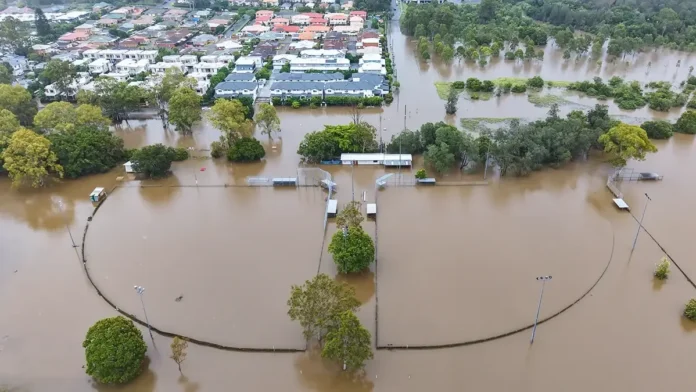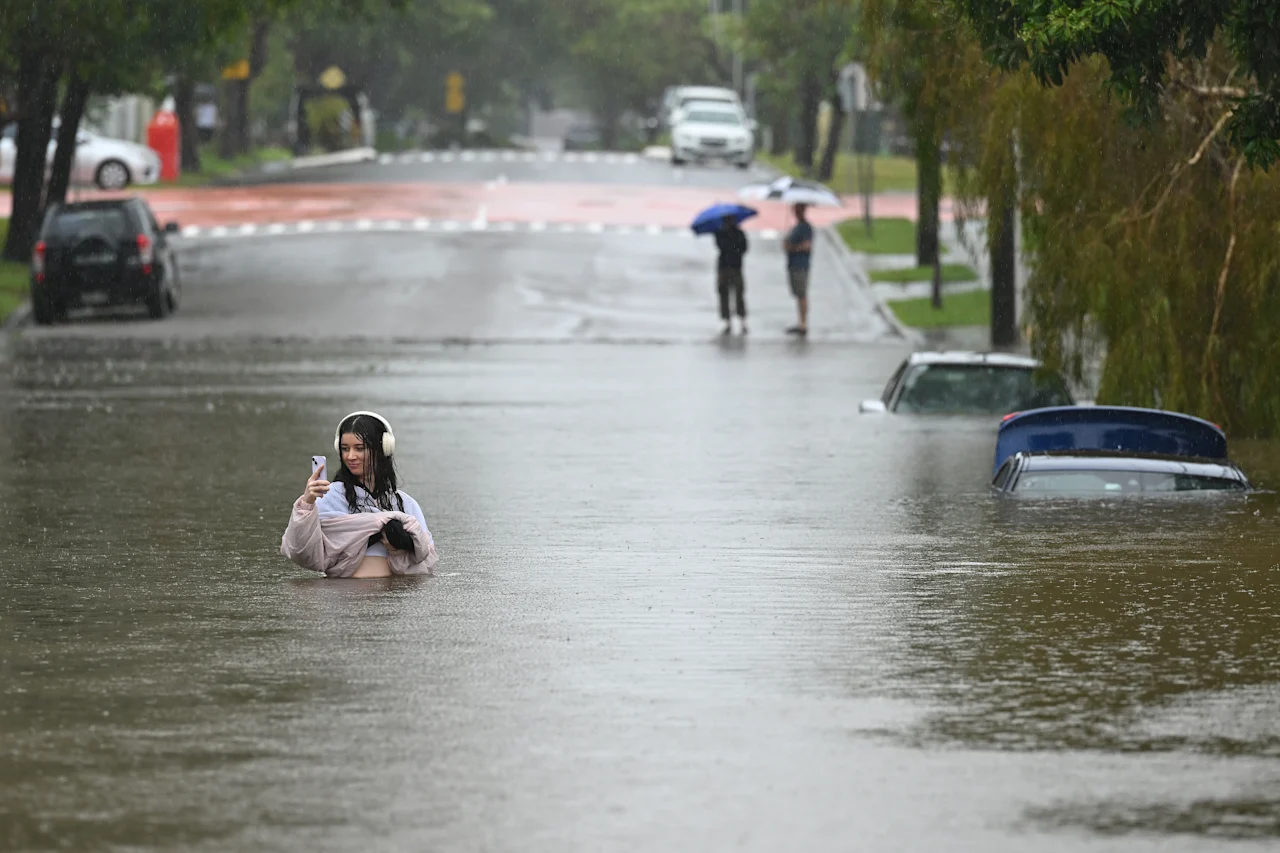
Cyclone Alfred has delivered a costly reminder of how destructive extreme weather can be for Australia’s communities and insurance sector. Early catastrophe modelling estimates indicate that insured losses linked to the storm could approach $2 billion, placing the event among the most expensive natural disasters in recent years. Homes were damaged, businesses were forced to close, and infrastructure repairs are already underway in several affected regions.
Insurance analysts say the financial impact highlights a larger trend. Severe weather events are becoming more frequent and more expensive, and insurers are facing growing pressure to manage risk, process claims quickly, and support recovery efforts. For homeowners, businesses, and policymakers, Cyclone Alfred offers a clear signal that disaster preparedness and insurance coverage are now critical parts of financial resilience.
Cyclone Alfred’s Destructive Path and Financial Impact
Cyclone Alfred formed in the Coral Sea and quickly intensified before approaching the Australian coastline. Heavy rainfall, strong winds, and storm surges caused damage across multiple coastal communities. Insurance companies soon began receiving claims from property owners dealing with roof damage, flooding, and structural losses.
Catastrophe modelling firm Perils estimated that insured losses could reach close to $2 billion once all claims are processed. This figure reflects damage to residential properties, commercial buildings, vehicles, and infrastructure insured under various policies. While the final number may shift as claims continue to arrive, analysts believe the early estimate already signals a major financial event for insurers.
The scale of the damage reflects several factors. Coastal regions often contain dense housing developments, tourism infrastructure, and commercial hubs. When a cyclone strikes these areas, the financial consequences escalate quickly. Repair costs have also risen in recent years due to inflation in construction materials, labour shortages, and supply chain delays. Even moderate structural damage can now cost significantly more to fix than it did a decade ago.
Insurance industry experts also note that the geographic reach of the storm increased overall losses. Cyclone Alfred brought prolonged rainfall in addition to high winds. Flooding, water damage, and fallen trees contributed to claims across a wide area. As a result, the number of claims rose rapidly in the days following the storm.
For insurers, events like Cyclone Alfred test operational readiness. Claims teams must handle thousands of requests while ensuring assessments remain accurate and fair. Insurers often deploy additional staff and catastrophe response units after major disasters. These teams help assess property damage, coordinate repairs, and support affected policyholders during recovery.
Key Factors Driving the Surge in Insurance Losses
Several underlying factors explain why cyclone related insurance losses have increased in recent years. Experts point to climate patterns, urban development, and rising repair costs as the main drivers behind growing catastrophe claims.
Insurance analysts warn that these pressures are likely to continue shaping the industry. The following trends help explain the escalating cost of events such as Cyclone Alfred:
- Higher population density in coastal areas
Many Australian cities and towns are located near the coastline. As populations grow, more homes and businesses are built in cyclone prone regions. When severe storms hit, the number of properties exposed to damage increases dramatically. - More expensive building materials and labour
Construction costs have climbed sharply in recent years. Timber, steel, roofing materials, and labour costs all affect the price of repairs after a storm. Even minor structural damage can lead to large insurance claims. - Climate variability and extreme weather patterns
Meteorologists have observed stronger storms and heavier rainfall events in many regions. These changes increase the risk of flooding, wind damage, and infrastructure failures. - Greater insurance coverage and asset value
As property values rise, insured sums also increase. A cyclone striking a high value residential or commercial area can produce large losses even if the number of damaged buildings is moderate.
Together, these factors amplify the financial consequences of storms. Insurers now rely heavily on advanced catastrophe modelling to predict potential losses and plan capital reserves. However, unpredictable weather patterns can still produce unexpected damage.
Industry leaders say better risk management will be essential in the coming years. Governments, insurers, and property developers must collaborate to improve building standards, update flood mapping, and strengthen disaster preparedness.
Insurance Industry Response and Claims Management
The insurance sector has mobilised quickly in response to Cyclone Alfred. Major insurers activated emergency response systems within hours of the storm’s landfall. Claims hotlines were expanded, and digital reporting tools were made available to speed up the process for affected policyholders.
Insurers typically follow a structured process after a catastrophe event. First, policyholders report damage through phone or online channels. Next, loss adjusters or assessors inspect the property. Finally, insurers approve repairs or compensation once the claim is verified.
Rapid claims processing is essential after a disaster. Delays can leave homeowners without safe housing and businesses unable to reopen. For this reason, insurers often deploy mobile assessment teams and temporary claims centres in disaster affected communities.
Many insurance companies also collaborate with builders and repair networks. This partnership helps speed up reconstruction work. However, large disasters often create temporary bottlenecks because thousands of properties require repairs at the same time.
Experts advise policyholders to take several steps after severe weather damage:
- Document damage with photos and videos immediately
- Contact insurers as soon as possible
- Avoid making permanent repairs before an assessment
- Keep receipts for emergency repairs or accommodation
- Follow safety instructions from local authorities
These steps can help ensure claims are processed more smoothly and reduce disputes over coverage.
Estimated Insurance Losses from Cyclone Alfred
| Impact Category | Estimated Financial Impact | Key Notes |
|---|---|---|
| Residential property damage | Hundreds of millions of dollars | Roof damage, flooding, structural repairs |
| Commercial property claims | Significant business losses | Shop closures, damaged facilities |
| Motor vehicle claims | Tens of millions | Flooded or storm damaged vehicles |
| Infrastructure related claims | Substantial costs | Utilities, roads, and local facilities |
| Total estimated insured loss | Close to $2 billion | Based on early catastrophe modelling |
The final loss figure may evolve as additional claims are submitted and assessed.
What Cyclone Alfred Means for Australia’s Insurance Future
Cyclone Alfred is not just another storm. It reflects a growing challenge for Australia’s insurance market. As extreme weather events become more costly, insurers must balance rising claims with the need to keep premiums affordable for households and businesses.
Insurance affordability has already become a major policy issue in several Australian regions exposed to natural disasters. Some communities face sharply higher premiums because insurers assess them as high risk zones. Governments are exploring ways to reduce these pressures through disaster mitigation programs and improved building resilience.
For example, stronger building standards can significantly reduce cyclone damage. Modern roof anchoring systems, impact resistant materials, and flood resistant construction techniques can limit structural damage during severe storms. Investments in these measures often cost less than rebuilding after a disaster.
Data and technology are also transforming risk management. Insurers now use satellite monitoring, predictive weather modelling, and artificial intelligence to estimate potential catastrophe losses. These tools help insurers respond faster and allocate resources more efficiently during emergencies.
However, experts say long term resilience will require coordinated action. Local governments must update land use planning. Developers need to consider environmental risk when building in vulnerable areas. Homeowners must ensure they maintain adequate insurance coverage.
Cyclone Alfred’s estimated $2 billion loss may ultimately serve as a warning. Without stronger climate resilience strategies, future disasters could produce even larger financial shocks.
Trending FAQ
What is Cyclone Alfred and why is it significant?
Cyclone Alfred is a severe weather event that recently affected parts of Australia. Early insurance estimates suggest insured losses could approach $2 billion, making it one of the costliest cyclone related disasters in recent years.
How are cyclone insurance losses calculated?
Insurance loss estimates are based on claims filed by policyholders, damage assessments, catastrophe modelling data, and economic analysis of affected regions.
Why are cyclone related insurance costs rising in Australia?
Rising property values, climate related extreme weather, population growth in coastal areas, and higher construction costs are driving larger insurance claims after storms.
What should homeowners do after cyclone damage?
Homeowners should document damage with photos, contact their insurer quickly, make temporary safety repairs if necessary, and wait for an official assessment before beginning permanent repairs.
Will Cyclone Alfred affect insurance premiums?
Major disasters can influence future premiums, especially in regions that insurers consider high risk. However, premium changes depend on many factors including government mitigation efforts and long term risk modelling.