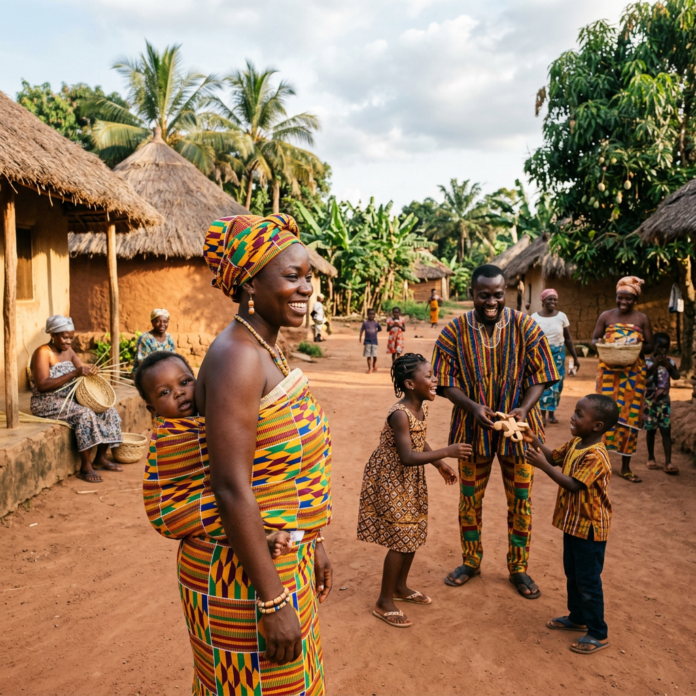
Moving to another country can be exciting, however, there are a number of important tasks involved with moving. One of the most important things to do when you move to another country is to secure health insurance that will cover you in case something goes wrong. As an example, if you are planning on attending a university abroad (or if you have family members) as a student, then securing reliable health care insurance is one of the top priorities. Even though the Government of The Gambia is working to provide quality health services by improving the health service delivery system and making sure everyone has access to some form of medical care, there is still a major gap in the type and quality of service provided from the public sector compared to private sector. In order to protect yourself physically and financially, you should first understand how the two systems work together.
1. Understanding the Local Landscape: NHIA, NHIS, and Private Clinics
To make an informed decision, you must first understand how health coverage is regulated and delivered locally. The Gambia’s healthcare ecosystem operates on a two-tier model: a growing public national scheme and a well-established private sector.
The Mandate of the NHIA and NHIS
The 2021 National Health Insurance Act created the National Health Insurance Scheme (NHIS), which is a government-run public health insurance program. The NHIS has been mandated to be administered through the National Health Insurance Authority (NHIA) as stated in the law. Therefore, registering for the NHIS is required for all Gambians that do not have another valid private insurance plan.
As of recently, the public system is being expanded. The NHIA has just announced the addition of 56 more contracted NHIS facilities to bring its total number of contracted facilities to 69 clinics and hospitals located in each of the 7 Administrative Regions throughout the Gambia.
Although the public system is expanding, the NHIS was originally designed to provide primary care to the local population. The public system will cover basic consultation fees, public hospital admissions, maternity health care and other basic medical needs. The NHIS is NOT however designed to handle international medical emergencies, elective private treatment, and/or medically necessary emergency evacuations. In many cases, it is not practical for either foreign students, nor expatriate families to rely solely on the public scheme for their healthcare.
The Role of Private and International Providers
Because public infrastructure faces resource challenges, most expatriates, international professionals, and foreign students prefer private healthcare. Modern private clinics in The Gambia offer excellent medical services, rapid diagnostics, and comfortable facilities. Some of the most prominent private providers include:
- Africmed International Hospital: Located in Brusubi, this facility offers 24-hour emergency care, diagnostic laboratory services, general surgery, and private inpatient rooms.
- Medicare Clinic: Established in Serekunda, this clinic provides multidisciplinary services, including cardiology, obstetrics, pediatrics, and emergency ambulance transport.
- Sharab Medical Centre: Known for high-grade clinical care, pediatrics, and specialized outpatient services in Serekunda.
- Bijilo Medical Centre: A private facility offering comprehensive inpatient and maternity care.
These private hospitals deliver the level of comfort and efficiency that most international visitors expect. To access them seamlessly, you will need a private or international health insurance plan that features a direct-billing agreement with these specific institutions.
2. What to Check First: The Essential Insurance Checklist
Before you sign an insurance policy, you must look past the marketing brochures. Analyze the structural components of the plan. Below is an actionable checklist designed to evaluate any policy under consideration for use in The Gambia.
┌────────────────────────────────────────────────────────┐
│ THE INSURANCE CORE CHECKLIST │
└───────────────────────────┬────────────────────────────┘
│
┌─────────────────────────┼─────────────────────────┐
▼ ▼ ▼
┌──────────────┐ ┌──────────────┐ ┌──────────────┐
│ ELIGIBILITY │ │ BENEFIT │ │ EVACUATION │
│ & SCHEMES │ │ STRUCTURE │ │ PROVISION │
└──────┬───────┘ └──────┬───────┘ └──────┬───────┘
│ │ │
▼ ▼ ▼
• Student status validation • Inpatient / Outpatient • Air ambulance limit
• Age-limit structures • Prescription caps • Dakar/Europe network
• Family tier options • Dental / Maternity • Repatriation costs
Eligibility and Scheme Tiers
First, verify that the insurer accepts international students or foreign residents. Some domestic insurers in your home country might invalidate your coverage once you reside abroad for more than three consecutive months. Ensure the company offers distinct plan structures:
- Single Plans: Optimized for individual young adults.
- Couple Plans: Designed for partners without children.
- Family Plans: Offering tiered premiums that scale efficiently as you add dependents.
Inpatient vs. Outpatient Benefits
Your policy must clearly define its benefit split.
- Inpatient Care: This covers anything requiring an overnight hospital stay, such as major surgeries, intensive care, and room charges. It is your defense against catastrophic financial loss. Look for policies that cover inpatient treatment up to at least $100,000 USD.
- Outpatient Care: This handles day-to-day medical needs. It includes general practitioner visits, diagnostic blood tests, specialized consultations, and physical therapy. While outpatient bills are smaller, their frequency can quickly drain your monthly budget if they are not covered.
Emergency Medical Evacuation and Repatriation
For complicated medical crises, it may be that there aren’t the appropriate facilities (equipment) and/or specialists in your area. Therefore, you will need to stabilize your patient and transport them to a tertiary hospital. The nearest large facility would likely be in Dakar, Senegal. In some cases, the destination will be South Africa or one of many locations in Western Europe.
To protect yourself from potential complications with an emergency transfer, ensure that you purchase a comprehensive international health insurance plan. At a bare minimum, your international health insurance should provide a minimum of $250,000 USD in Emergency Medical Evacuation (EME) benefits so that you can hire a private air ambulance service, pay for medical staff on board the aircraft, and pay for all associated logistical costs.
Claims Processing: Direct Billing vs. Reimbursement
The administrative mechanism of your insurance is just as important as the financial limits.
- Direct Billing (Cashless): The insurer pays the clinic directly. You only pay your deductible or co-payment at the desk. This is the gold standard for stress-free care.
- Reimbursement: You pay the entire medical bill out of pocket. Then, you submit receipts and medical reports to the insurer to get your money back. In a major emergency, paying thousands of dollars upfront can create severe cash-flow issues. Prioritize insurers that maintain active direct-billing networks with major Gambian clinics like Africmed and Medicare Clinic.
3. International Student Focus: Visas, Breaks, and Balance
International students face a unique set of challenges. When you are living on a modest budget, balancing cost and comprehensive protection is difficult. However, choosing the absolute cheapest policy can leave you exposed.
Visa and University Compliance
You will be required to show evidence that your insurance covers you in accordance with any relevant local laws. Before your student visa can be issued by the Gambian Department of Immigration or prior to completion of your enrollment at your host university/college; you will need to provide documentation showing that your insurance complies with these requirements. The health insurance plan you choose MUST include coverage for the full length of time that you are enrolled at your host institution.
Continuous Coverage and Holiday Travel
Many international students travel outside of school during their break times. Maybe you are going back home for the Winter Break, or maybe just traveling with friends for one weekend to Senegal (the country next door). Make sure your plan is designed to give you adequate coverage anywhere you go around the world. If you have a “Gambian local only” insurance policy, it does not provide coverage when you leave Gambia. Check out plans that say they have a “Regional Africa” or “Worldwide Except US” scope. This way, you don’t fall through the cracks in case you need to be treated while you’re on an adventure.
Mental Health and Wellbeing Support
Although studying abroad has many rewards; it also has the potential to cause stress. For example, cultural adjustment, academic pressures, and being far away from home can all have an adverse effect on your mental health. Modern Student Health Insurance Plans should offer students the option of using their plan to receive mental health services. These services could be provided through remote counseling, online psychiatry consultation or by providing medication to treat mental illness.
4. Family Focus: Multi-Generational Coverage and Continuity
If you are moving to The Gambia with a partner and children, your insurance needs change. Your priority shifts from basic emergency coverage to comprehensive wellness, pediatric support, and administrative simplicity.
┌────────────────────────────────────────┐
│ FAMILY POLICY PRIORITIES │
└───────────────────┬────────────────────┘
│
┌────────────────────────────┼────────────────────────────┐
▼ ▼ ▼
┌──────────────┐ ┌──────────────┐ ┌──────────────┐
│ PEDIATRIC & │ │ MATERNITY & │ │ UNIFIED ID │
│ WELLNESS │ │ NEWBORN │ │ CARDS │
└──────┬───────┘ └──────┬───────┘ └──────┬───────┘
│ │ │
▼ ▼ ▼
• Developmental checks • Pre-natal checkups • Single portal
• Routine immunizations • Delivery costs • Combined bills
• Vision & dental care • Newborn ICU access • Clear dependencies
Pediatric Care and Routine Immunizations
Children require regular medical attention. Your family policy must cover routine pediatric wellness visits, developmental checks, and standard childhood immunizations. Check if the insurer covers vaccines locally or if you are restricted to specific public clinics for immunizations.
Antenatal, Maternity, and Newborn Care
If you think about expanding your family while living in The Gambia, it’s essential to have access to quality maternity benefits. Prenatal care with a doctor or midwife who speaks English is important as is having an ultrasound done at least once during pregnancy to check on the baby’s development. Having a place to give birth safely is also very important. Most international health insurance companies require a “waiting period” of 10-24 months prior to coverage for maternity benefits. It is best to make sure you buy the insurance long enough before becoming pregnant to use these maternity benefits. In addition, make sure that when you do become pregnant your new born baby will be covered automatically from birth. Many policies exclude coverage for Neonatal Intensive Care Unit (NICU) costs; NICU bills can be extremely high if there are any serious complications after birth.
Unified Administration
Managing two different insurance policies for two parents is going to be a logistical challenge, which will lead to missing renewal dates, having double deductibles, and making it difficult to file claims for your entire family.
You can have just one family plan covering both spouses and all of their dependents under one account. This one-stop-shop policy makes filing claims easier as you can log-in to one place to see what claims are being processed. Additionally, with this type of plan, you’ll only need to worry about renewing once per year.
5. Practical Comparison Matrix
Choosing a plan requires comparing key factors side-by-side. Use the following comparison matrix to evaluate your options and understand why each metric matters.
| Factor | Why It Matters in The Gambia | What to Look For |
| Network Hospitals | Determines where you can receive immediate care without administrative delays. | Direct billing agreements with Africmed, Medicare Clinic, and Sharab Medical Centre. |
| Cashless/Direct Billing | Eliminates the need to pay large cash sums upfront during medical emergencies. | Insurers with active, 24/7 direct-payment confirmation desks. |
| Evacuation Cover | Protects you if you need specialized surgery that is unavailable locally. | Minimum benefit of $250,000 USD, including helicopter or fixed-wing transfer to Dakar or Europe. |
| Family Benefits | Ensures pediatric care, immunizations, and maternity complications are covered. | Low wait-times for maternity care and immediate newborn enrollment options. |
| Policy Exclusions | Prevents unexpected denials of claims for pre-existing conditions or sports injuries. | Clear wording regarding chronic illnesses and clear definitions of extreme sports. |
| Coverage Area | Determines if your insurance is active when you travel outside The Gambia. | A geographic scope of “Worldwide Excluding US/Canada” or “Sub-Saharan Africa.” |
6. Strategic Selection Heuristics: Single vs. Family
To help you choose, let’s look at two common profiles. These examples illustrate how to prioritize your budget and benefits based on your specific situation.
The Single Student Strategy
As an individual student, your risk profile is generally lower, and your budget is likely tight.
- The Goal: Maximize affordability while protecting against catastrophic events.
- Priorities: Select a policy with a higher deductible (e.g., $500 USD) to lower your monthly premium. Ensure it has robust emergency inpatient care, outpatient accident coverage, and a strong medical evacuation benefit.
- What to Skip: You can safely skip expensive add-ons like high-limit dental, routine vision care, or maternity benefits. This approach keeps your premiums low while protecting you from major emergencies.
The Family Protection Strategy
For a family, a high-deductible plan can be a financial risk. Children get sick often, and outpatient visits can quickly add up.
- The Goal: Comprehensive wellness coverage and predictable out-of-pocket costs.
- Priorities: Choose a low-deductible or zero-deductible plan. Prioritize wide outpatient access, pediatric wellness benefits, and comprehensive hospitalization limits.
- What to Skip: Avoid paying extra for niche global networks (like unlimited US coverage) if your family plans to stay within West Africa or Europe. Focus your budget on local private hospital access and reliable evacuation benefits.
7. Crucial Red Flags: What to Avoid
When shopping for health insurance, some deals are too good to be true. Beware of these common red flags that can leave you unprotected when you need care the most.
- Reimbursement-Only Clauses for Emergencies: Avoid policies that require you to pay out of pocket for major surgeries or evacuations and claim the money back later. A medical evacuation can easily cost over $50,000 USD. Most individuals do not have that kind of cash readily available.
- Unreasonably Low Annual Limits: Some cheap student policies limit annual coverage to $10,000 or $20,000 USD. A single week in a private intensive care unit or a complex orthopedic surgery can easily exceed these limits, leaving you responsible for the remaining balance.
- Vague Evacuation Language: Watch out for policies that promise “emergency medical transport” but do not specify air ambulance services or international transfers. You need a policy that explicitly covers transfer to a country with a higher standard of care, not just a local ambulance ride to the nearest clinic.
- No Clear Direct-Billing Network: If an insurer cannot provide a list of specific clinics in The Gambia where they offer direct billing, assume you will have to pay upfront for every visit. This can lead to slow reimbursement processes and administrative headaches.
Conclusion and Action Steps
Securing the right health insurance is not just about checkmarks on a visa application. It is about peace of mind. By taking the time to understand the differences between public systems like the NHIS and private care, you can make a smart, proactive choice.
Your Action Plan:
- Map Your Needs: Determine your profile (single student vs. family) and define your budget.
- Verify Hospital Links: Contact local private clinics like Africmed or Medicare Clinic to ask which international insurers they bill directly.
- Check Evacuation Terms: Ensure any policy you consider explicitly covers air ambulance transfers to Dakar or Europe.
- Read the Fine Print: Look for waiting periods, deductibles, and geographic exclusions before making your final payment.
Taking these steps ensures you and your loved ones can enjoy your time in The Gambia, knowing you are protected no matter what happens.
References
- APRIL International. (2025, April 30). Health insurance in The Gambia. APRIL International. https://www.april-international.com/en/destinations/africa/health-insurance-in-the-gambia
- National Health Insurance Authority. (n.d.). NHIA. https://nhia.gm
- National Health Insurance Authority. (n.d.). Membership. NHIA. https://nhia.gm/membership/
- National Health Insurance Authority. (2021). National Health Insurance Act, 2021 [PDF]. https://nhia.gm/wp-content/uploads/2023/05/Gambia-NHIS-Act-2021-Final-Nov-29-2021-2.pdf
- Jarni As Cyril. (2026, April 27). Gambia healthcare system for expats: Hospitals, costs, insurance. JarniAsCyril (Expatiation guide). https://www.jarniascyril.com/expatriation/install-in-gambia-expat-guide-complete/healthcare-expatriates-gambia/
- Pacific Prime. (2023). International health insurance for expats in the Gambia. Pacific Prime. https://www.pacificprime.com/country/africa/gambia-health-insurance-pacific-prime-international/
- Insurancy. (2024, November 1). International health insurance for Gambia comparison (2025). Insurancy. https://www.insurancy.de/en/international-health-insurance/gambia-comparison/
- ActionAid Gambia (or ActionAid). (2019, November). Assessment of the health system in the Gambia [Fact sheet/report]. ActionAid. (PDF)
- World Bank. (n.d.). The primary health care system of the Gambia [Report]. World Bank. https://documents1.worldbank.org/curated/en/099121523194133413/pdf/P1598650585e0e01c0b8ae0dcc1f1cc826c.pdf
- MyHospitalNow. (2025, June 15). Hospitals in Gambia: Your complete guide to healthcare services. MyHospitalNow. https://www.myhospitalnow.com/blog/hospitals-in-gambia-your-complete-guide-to-healthcare-services/
- The Pinnacle List. (2024, December 31). A complete guide to choosing the right health cover for international students. The Pinnacle List. https://www.thepinnaclelist.com/articles/a-complete-guide-to-choosing-the-right-health-cover-for-international-students/
- Student Insurance Portal. (n.d.). Insurance for students from Gambia (to study abroad). Student Insurance Portal. https://studentinsuranceportal.com
- Indigo Expat. (2026, March 31). International health insurance Gambia for expatriate. Indigo Expat. https://indigo-expat.com/en/informations/country-guide/international-health-insurance-expatriates-gambia/