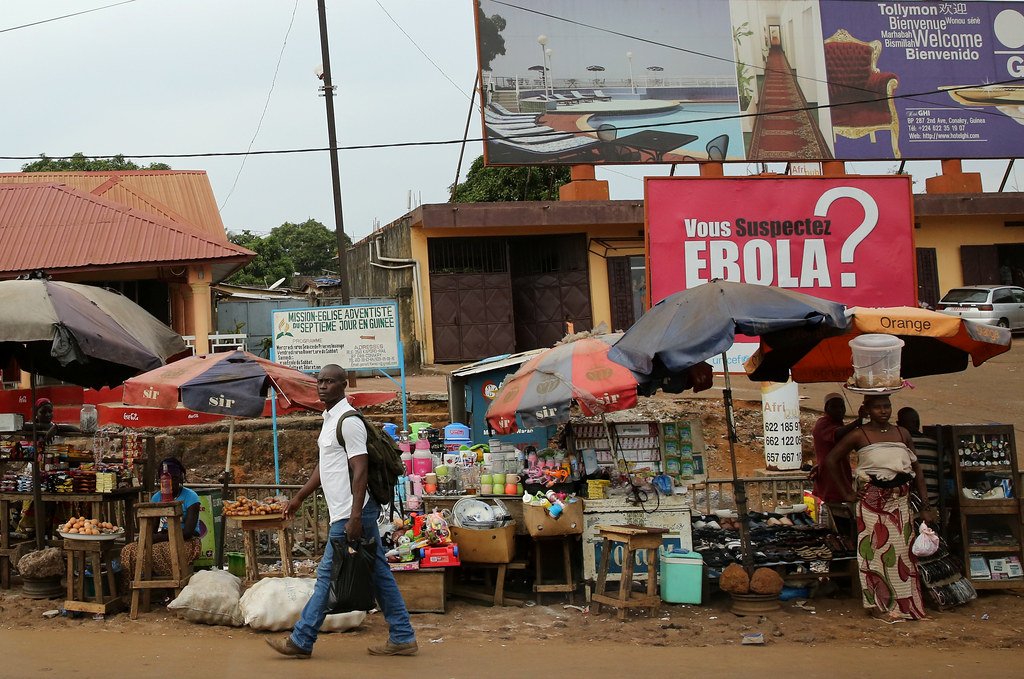
Moving to Guinea is an adventure. The country offers rich cultural landscapes, a dynamic coastal capital in Conakry, and unique professional opportunities. Yet, relocating to West Africa requires careful planning, especially regarding your physical well-being. Healthcare is not something you can leave to chance here.
For an international student arriving alone or a family relocating for a corporate posting, navigating the local healthcare landscape can feel overwhelming. Medical infrastructure in Guinea is severely limited. Most local facilities do not meet Western clinical standards, and public hospitals frequently face shortages of basic medical supplies, electricity, and specialized personnel.
When a medical crisis occurs, the quality of your insurance policy determines your clinical outcome. It is that simple. This comprehensive guide outlines exactly how to evaluate, select, and utilize a health insurance policy in Guinea that provides genuine protection rather than a false sense of security.
1. The Reality of Healthcare in Guinea
To choose the right insurance, you must first understand what you are protecting against. Guinea’s medical landscape operates differently from North American or European systems.
The Cash-First Reality
In Guinea, cash is king. Even in emergencies, private clinics often demand an immediate cash deposit or proof of financial guarantee before admitting a patient. Without a guaranteed direct-billing agreement between your insurer and the hospital, you or your family could be forced to pay thousands of dollars out of pocket on the spot.
Limited Local Specialization
While basic consultations and malaria treatments are readily available at private clinics in Conakry, complex surgical procedures, cardiac care, and advanced neonatal support are virtually non-existent. Local pharmacies may also experience supply chain gaps, making specific chronic medications difficult to source reliably.
For these reasons, your insurance strategy must be built on the assumption that serious medical events will require treatment outside the country.
2. The Non-Negotiables: What to Prioritize First
When comparing international health insurance plans, certain features are luxury add-ons. Others are absolute lifelines. In Guinea, the following four components form the non-negotiable core of any viable policy.
——————————————————————-
THE GUINEA HEALTH POLICY CORE
——————————————————————-
1. Emergency Evacuation —> Must include air ambulance
2. Direct-Billing Network —> Prevents upfront cash demands
3. Private Care Access —> Targets top-tier Conakry clinics
4. Comprehensive Outpatient–> Covers malaria & daily diagnostics
——————————————————————-
Emergency Medical Evacuation and Repatriation
This is the single most critical element of your policy. If you suffer a severe orthopedic injury, a complicated cardiovascular event, or a deep systemic infection, local hospitals cannot safely treat you. You will need to be flown to a regional medical hub.
Typically, medical evacuations from Conakry are routed to Senegal (Dakar), Morocco, or directly to Europe. A private air ambulance charter can easily cost upwards of $100,000. Ensure your policy covers:
- Air Ambulance Transport: Full coverage for emergency air transport to the nearest qualified medical facility.
- Repatriation of Remains: Compassionate return services in the worst-case scenario.
- Travel Companion Costs: Coverage for a family member to accompany the evacuated patient.
Direct-Billing (Cashless) Arrangements
Do not rely on a standard reimbursement model where you pay first and claim later. Look for insurers that have established direct-billing relationships with Guinea’s top-tier private clinics, such as Clinique Ambroise Paré or Clinique Pasteur in Conakry.
When a provider has a direct-billing arrangement, the clinic bills your insurance company directly. This spares you from needing to carry large sums of physical cash to the emergency room.
Access to Private Facilities
Public healthcare facilities in Guinea are rarely suitable for complex expat needs. Your policy must grant you unrestricted access to private hospitals and specialists. Some restrictive policies force you to use specific public networks to keep premiums low. Avoid these. Private care is the only practical pathway to reliable medical treatment in the region.
Inpatient and Outpatient Balance
Many expats make the mistake of buying “emergency-only” (inpatient) cover to save money. This is a risky calculation.
In West Africa, routine outpatient care is highly active. You will need diagnostic tests for tropical diseases like malaria or typhoid, regular doctor consultations, and prescription medications. Ensure your plan covers both overnight hospital stays (inpatient) and everyday clinic visits (outpatient).
3. Tailored Planning for Single International Students
As an international student, your budget is likely constrained. However, sacrificing essential health coverage to save a few dollars a month can lead to academic and financial ruin if you fall ill.
STUDENT INSURANCE PRIORITIES:
[Emergency Care] [Malaria Diagnostics] [Mental Health] [Digital Claims]
Balancing Cost with Real Protection
Look for student-specific international policies. These plans are designed for younger demographics and often feature lower premiums while maintaining high limits on emergency services. Ensure the policy does not exclude local diseases. Malaria is endemic in Guinea; your policy must cover rapid testing, consultations, and high-quality curative therapies without a high deductible.
Digital-First Administration and English Support
When you are sick and alone in a foreign country, navigating a complex French-language claims process is the last thing you want to do. Prioritize insurers that offer:
- 24/7 English-language helplines staffed by medical professionals.
- Intuitive mobile apps that allow you to submit claims by taking a photo of your receipt.
- Fast processing times (ideally under 5 business days) to prevent cash flow strain on your student budget.
Mental Health Provisions
Relocating to a culturally distinct and resource-limited environment can trigger significant psychological stress. Culture shock, academic pressure, and isolation are real challenges. Check if your provider covers remote counseling or teletherapy sessions. Having access to a licensed therapist in your native language via video call is an invaluable resource.
4. Comprehensive Planning for Families and Dependents
Moving a family to Guinea introduces complex medical needs. Children require regular checkups, vaccinations, and prompt attention for sudden illnesses. If you are planning to expand your family, maternity care becomes a focal point.
FAMILY INSURANCE CHECKLIST:
1. No-gap Maternity Cover (Check waiting periods)
2. Pediatric Care & Vaccinations
3. Unified Deductible Structure
4. Clear Age Limits & Dependent Extensions
Pediatric Services and Preventive Care
Children are highly sensitive to environmental changes and local pathogens. Your family plan should offer robust outpatient coverage for pediatric visits, developmental checkups, and standard childhood vaccinations. Confirm that the policy covers emergency pediatric admissions, as dehydration from gastrointestinal infections can escalate rapidly in young children.
Maternity and Newborn Provisions
If there is any chance of pregnancy during your stay in Guinea, look closely at the maternity benefits.
- Waiting Periods: Almost all international insurers impose a waiting period (typically 10 to 12 months) before maternity benefits kick in. You cannot purchase a policy after becoming pregnant and expect the delivery to be covered.
- Complications of Pregnancy: Ensure that emergency cesarean sections and newborn intensive care unit (NICU) stays are fully covered. If a newborn requires incubation or specialized neonatal surgery, immediate evacuation to a regional hub will be necessary.
- Newborn Underwriting: Check if your newborn is automatically covered from birth or if they must undergo medical underwriting first.
Understanding Deductibles and Limits for Families
Some family plans apply a single, global deductible for the entire household. Others apply separate, individual deductibles to each family member.
For a family with young children who visit the doctor frequently, an individual deductible structure can mean paying out of pocket for multiple small visits before any coverage begins. A unified family deductible or a policy with no deductible for outpatient visits is often much more cost-effective in the long run.
5. Recognizing Quality: How to Spot a Reliable Provider
Not all insurance certificates are created equal. A flashy brochure does not guarantee that a company will stand by you during a crisis. Look for these concrete indicators of operational quality.
Transparent Exclusions and Rules
A reliable insurer does not hide behind ambiguous legalese. They clearly define what is covered and what is excluded. Look closely at how they handle:
- Pre-existing Conditions: Do they offer “moratorium underwriting” where conditions are covered after a certain period symptom-free, or do they exclude them permanently?
- Extreme Sports and Activities: If you plan to travel into the interior of Guinea (Fouta Djallon) for hiking or off-road driving, ensure these activities are not excluded from emergency rescue clauses.
Emergency Pre-Authorization Protocols
During a medical emergency, every minute counts. Ask providers about their pre-authorization process.
- Can a local hospital call a dedicated emergency line to receive immediate approval for surgery? * Does the insurer issue a digital “Guarantee of Payment” (GOP) directly to the hospital admissions desk? If the provider’s emergency approval process takes 24 to 48 hours, they are not suitable for life in Guinea.
Multilingual Assistance Teams
While you may speak conversational French, communicating complex medical terms during a stressful event is difficult. A high-quality provider maintains a dedicated, in-house assistance team that can communicate in French with local clinical staff while translating everything clearly to you in English or your native language.
6. The Danger of “Cheap” Policies: Cost vs. Real Value
When budgeting for a move to Guinea, health insurance premiums can look daunting. It is tempting to choose the cheapest plan on a comparison website. This is almost always a mistake.
| Feature / Scenario | Low-Premium “Budget” Plan | Comprehensive International Plan |
| Emergency Evacuation | Excluded or capped at a low limit (e.g., $10,000) | Fully covered up to international standards |
| Maternity & Neonatal | Excluded entirely | Covered (subject to standard waiting periods) |
| Local Direct-Billing | Pay-and-claim only (Upfront cash required) | Direct payment to verified network clinics |
| Annual Policy Limits | Low cap (e.g., $50,000 total limit) | High cap or unlimited emergency coverage |
A policy with a low annual limit can be exhausted within forty-eight hours if you require intensive care or an air ambulance. If your plan excludes specialist consultations, you will find yourself paying out of pocket for every single expert opinion in Conakry.
To find true value, look for policies that allow you to customize your coverage. You can lower your premium safely by choosing a higher deductible for routine outpatient care while keeping your emergency inpatient and evacuation limits high. This protects your health and your assets from catastrophic expenses.
7. Your Practical Action Plan
Before signing any contract or paying a premium, follow this sequential checklist to ensure your chosen policy is fit for purpose in Guinea.
THE FINAL SELECTION PATHWAY
Step 1: Confirm Emergency Air Ambulance is Included
│
▼
Step 2: Verify Direct-Billing with Top Conakry Clinics
│
▼
Step 3: Match Policy to Student/Family Specific Needs
│
▼
Step 4: Review Exclusions (Check Maternity & Pre-existing)
│
▼
Step 5: Test the Customer Support Line Before Buying
- Confirm the Evacuation Clause: Double-check that your policy includes “Emergency Medical Evacuation and Repatriation” with a limit of at least $500,000. Ensure it covers private charter air ambulances.
- Verify Local Hospital Access: Contact the admissions department of a major private clinic in Conakry (such as Clinique Pasteur). Ask them directly which international insurance providers they accept without requiring upfront cash deposits.
- Check the Maternity/Pediatric Fine Print (For Families): If you are moving with children, verify that routine immunizations are covered. If you plan to have a baby, confirm that the policy’s maternity waiting period fits your timeline.
- Evaluate Student-Specific Benefits (For Students): Confirm that the claims portal is fully digital and that you do not need to mail physical paper receipts back to your home country for reimbursement.
- Test the Support Line: Before purchasing, call the insurer’s customer service number. Note how long it takes to reach a live, English-speaking representative. If you are placed on hold for thirty minutes during a sales inquiry, imagine the delay during a real emergency.
Your health is your most valuable asset. Investing in a robust, comprehensive international health insurance plan guarantees that your time in Guinea is defined by professional success and rich personal experiences, rather than medical anxiety.
References:
- ExpatWoman. (n.d.). Guinea. ExpatWoman. Retrieved July 5, 2026, from https://www.expatwoman.com/global/guineaexpatwoman
- WhereToEmigrate. (2026). Healthcare in Equatorial Guinea 2026 – WhereToEmigrate. WhereToEmigrate. Retrieved July 5, 2026, from https://wheretoemigrate.io/blog/healthcare-equatorial-guinea-expat-guide-2026wheretoemigrate
- Pacific Prime. (2019, June 30). Guinea health insurance for expats. Pacific Prime. Retrieved July 5, 2026, from https://www.pacificprime.com/country/africa/guinea-health-insurance-pacific-prime-international/pacificprime
- Insurancy. (2024, June 10). International health insurance for Guinea | Expert advise (2025). Insurancy. Retrieved July 5, 2026, from https://www.insurancy.de/en/international-health-insurance/guinea/ insurancy
- Student Insurance Portal. (n.d.). Insurance information for Educational Exchange Service (students from Guinea). Student Insurance Portal. Retrieved July 5, 2026, from https://studentinsuranceportal.com/from/guinea/to-university/educational-exchange-servicestudentinsuranceportal
- Student-Insurance.com. (2026, April 13). Student health insurance decision tree 2026 — 5 questions. Student-Insurance.com. Retrieved July 5, 2026, from https://www.student-insurance.com/blog/how-to-choose-health-insurance-international-student/student-insurance
- Expatriate Healthcare. (2026, January 8). Papua New Guinea health insurance. Expatriate Healthcare. Retrieved July 5, 2026, from https://www.expatriatehealthcare.com/expat-country-guides/papua-new-guinea-health-insurance/expatriatehealthcare
- World Supporter / blog. (2024, December 31). How does healthcare work in Guinea, and what travel insurance, health insurance or expat insurance should I get? World Supporter. Retrieved July 5, 2026, from https://www.worldsupporter.org/en/blog/how-does-healthcare-work-guinea-and-what-travel-insurance-health-insurance-or-expat-insur …worldsupporter
- American Psychological Association. (2020). Publication manual of the American Psychological Association (7th ed.). American Psychological Association.apastyle.apa
- APA Style. (2023, June 10). Reference examples. APA Style. Retrieved July 5, 2026, from https://apastyle.apa.org/style-grammar-guidelines/references/examplesapastyle.apa