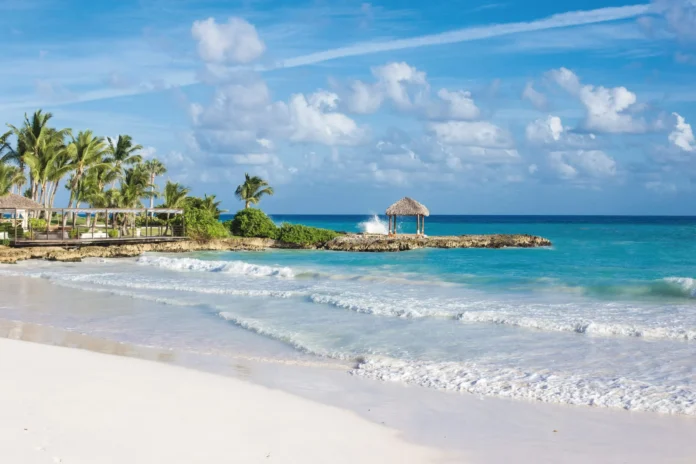
The advantages of studying abroad are best realized in St. Vincent and the Grenadines. This country of islands has attracted many medical school students from all over the world due to its well-established and respected educational systems. Relocating to an island will require some planning. Planning for healthcare is number one on your relocation checklist.
Healthcare services in the Caribbean Islands can be very different than what you may find when compared to major urban centers on a continent. St. Vincent’s system of care includes local primary care and secondary level care through regional public hospital; however, access to advanced, or tertiary care is limited. In cases where emergency surgery or other acute care needs arise, the most likely course of action will be a transfer to a location outside of the island.
International health insurance requires navigating the administrative issues, as well as the actual delivery of medical services and cost.
Regardless of whether you plan on traveling to study with nothing but a backpack or moving your family to a new home, securing adequate health coverage is mandatory. This article provides information about how to consider and measure your options, as well as provide step by step guidance in selecting the appropriate health insurance policy for you while studying in St. Vincent and the Grenadines.
The Reality of Healthcare Infrastructure in St. Vincent and the Grenadines
Understanding your access to local healthcare providers helps you understand why having full-coverage medical insurance is so important.
The only public hospital on the island is the Milton Cato Memorial Hospital (located in Kingstown, which is the capitol) and all other supplemental healthcare is provided through district health centers & polyclinics in each area of St. Vincent and The Grenadines and nearby islands with a few private clinics.
All routine illnesses, minor injuries, general surgical needs and most urgent care needs are handled at home by local physicians; however, the need for specialty services presents several unique issues. Most complex medical procedures such as cardiovascular surgery, pediatric oncology, neurosurgeries or severe burns do not exist on this island.
If a serious illness develops while visiting St. Vincent and the Grenadines, the local healthcare will provide some support during stabilization but long term treatment will require a medically supervised air evacuation to one of our region’s care centers in Barbados, Trinidad and Tobago, Puerto Rico or back to your home country. Medical evacuations due to emergencies can cost $10K-$30K or higher out of pocket. It is essential that your insurance provider consider both island geography and medical logistics when providing coverage for you.
8 Essential Factors to Evaluate Before Choosing a Plan
Comparing international insurance plans requires looking beyond the basic monthly premium. Analyze these eight core criteria carefully when evaluating potential policies:
1. Medical Evacuation and Repatriation
Medical evacuation insurance is an absolute requirement for expats who live on the island of St. Vincent and The Grenadines.
Review the policy to ensure it will cover by way of an air ambulance, you are transported to the nearest qualified medical facility regionally, or back home. In particular be aware of what the limit is on the cost associated with evacuating you as well as how much money is available in this regard (at least $250,000.00 to $500,000.00) for medical evacuation expenses. Also, make sure the policy provides repatriation of remains. This means if you die while abroad due to illness or injury, the insurance company will provide for all arrangements and pay for those costs associated with returning your body to your home.
2. Regional and Global Provider Networks
The effectiveness of an insurance plan can only be determined by whether it can be used effectively where one resides. Check to see if the carrier has a panel of providers in the Caribbean (and particularly in St. Vincent). See if the plan pays for medical services at local clinics and/or the referral hospital in Barbados or Trinidad. Find out from the insurance company what the arrangement would be for them paying on your behalf directly to Kingstown-based medical facilities, or if you have to pay yourself first and then file for reimbursement.
3. Comprehensive Scope of Coverage
Examine the balance between inpatient and outpatient benefits.
- Inpatient Care: Hospital stays, surgical procedures, intensive care, and diagnostic testing during hospitalization.
- Outpatient Care: Doctor visits, specialist consultations, lab work, diagnostic imaging, and prescription drugs.
- Emergency Services: Ambulance transport, emergency room fees, and urgent care center visits.
- Specialized Benefits: Mental health counseling, physical therapy, and preventive care.
- Riders: Dental and vision coverage are often sold as optional add-ons. Determine if you require these based on your personal health needs.
4. Family and Dependent Coverage Options
If you bring family, evaluate how the insurer treats dependents.
Check eligibility rules for spouses and children. Verify maximum age thresholds for dependent children. Look closely at maternity benefits if you plan to start or expand your family while studying. Most international policies impose waiting periods—typically 10 to 12 months—before maternity benefits take effect. Confirm pediatric care benefits, including routine vaccinations and wellness checkups.
5. Claims Processing and Support Infrastructure
When a medical emergency occurs at 2:00 AM, access to immediate assistance is vital.
Select an insurer providing a 24/7 emergency response line staffed by trained medical coordinators. Inquire about average claim processing turnaround times. Direct settlement options for large hospital bills are crucial so you do not have to fund expensive treatments out-of-pocket while awaiting reimbursement.
6. Transparent Cost Structures
Evaluate total potential out-of-pocket costs rather than focusing solely on monthly premiums.
For international expats and students living in the Caribbean, monthly premiums generally range from $100 to $500 (€90 to €450) per person. Premiums vary widely based on your age, chosen deductible, coverage area, and policy limits. Pay attention to:
- Deductible: The amount you pay before insurance coverage begins.
- Co-payments & Co-insurance: Your share of costs for covered services.
- Annual & Lifetime Maximums: Select plans with uncapped maximums or limits of at least $1,000,000.
7. School and Visa Compliance
Educational institutions and immigration authorities maintain strict health insurance guidelines.
Medical schools in St. Vincent and the Grenadines typically require proof of active coverage prior to matriculation. If your institution automatically enrolls you in a university-sponsored plan, review their waiver requirements carefully. To successfully waive institutional coverage, your private plan must meet or exceed all school specifications by established deadlines.
8. Insurer Financial Stability and Reputation
Stick with established, reputable global health insurance underwriters or experienced international brokers.
Insurers with a strong global presence understand Caribbean medical logistics and maintain established relationships with air transport providers. Recognized brands like Cigna Global, Allianz Care, Bupa Global, AXA, and VUMI offer reliability during emergencies. Working with specialized brokers such as Pacific Prime or Expat Financial can simplify comparing complex policy options.
Single Students vs. Student Families: Key Differences
Your individual circumstances determine your optimal insurance structure. Single medical students have different needs than students relocating with a spouse and children.
Single Students
Single students generally require lean, high-catastrophe coverage.
Your priority is protecting against major medical emergencies, trauma, and severe illnesses that disrupt your studies. Look for plans with robust emergency evacuation benefits, affordable outpatient access for occasional illnesses, and solid mental health support to manage academic stress. You can often choose a higher deductible to lower your monthly premium, provided you keep enough emergency savings to cover that deductible if needed.
Student Families
Families require broader everyday health management.
Dependents need frequent routine care, childhood immunizations, sick visits, and prescription refills. Look for lower deductibles and lower co-pays to keep routine family healthcare costs predictable. Confirm that local clinics in Kingstown accept your plan for pediatric visits. Ensure chronic condition management is covered without standard exclusions.
The table below outlines how coverage priorities differ between single students and student families:
| Consideration | Single International Student | International Student with Family |
| Primary Focus | Major emergency care and medical evacuation. | Comprehensive routine, pediatric, and preventative care. |
| Deductible Strategy | Higher deductible to reduce monthly premiums. | Lower deductible to manage frequent outpatient costs. |
| Critical Features | Mental health counseling, air ambulance, sports coverage. | Well-child visits, vaccinations, maternity care, lower copays. |
| Network Breadth | Focus on regional emergency networks. | Focus on local daily clinics and regional specialist access. |
| Average Monthly Cost | $100 – $250 (Base to Standard tiers) | $350 – $800+ (Family dependent rates) |
Comparing Leading International Health Insurance Providers
Selecting an insurance provider involves assessing benefits, international reputation, and service features. The comparison table below highlights prominent options for international students residing in St. Vincent and the Grenadines:
| Provider / Plan Type | Best Suited For | Key Strengths | Medical Evacuation Quality | Direct Billing Capabilities |
| Cigna Global | Single students & families seeking flexible, modular worldwide coverage. | Modular plans, extensive Caribbean and global network, 24/7 customer care. | Comprehensive standard benefit; customizable evacuation limits. | Strong regional network with direct settlement options. |
| Allianz Care | Students requiring high-value emergency coverage and clear terms. | Transparent pricing, robust digital claims portal, strong expat reputation. | Robust global transport protocols; fast emergency response. | Broad regional coordination across Caribbean hubs. |
| Bupa Global | Families looking for high-end, premium healthcare coverage without caps. | Uncapped annual limits available, maternity integration, premium care access. | Top-tier emergency air transport and global medical concierge. | Direct payment options across accredited Caribbean hospitals. |
| VUMI (VIP Universal Medical Insurance) | Students remaining in the Latin America / Caribbean region. | Strong Caribbean focus, localized regional support, flexible deductible options. | Integrated regional air transfer networks. | Strong local coordination in Caribbean clinics. |
| ISO / PSI / StudentSecure | Budget-conscious single students meeting basic university waiver standards. | Inexpensive premiums, designed specifically for international students. | Basic emergency evacuation included; strict benefit sub-limits. | Primarily reimbursement-based for non-emergency island visits. |
Step-by-Step Action Plan Before Enrolling
Avoid rushing into a policy purchase during the week before departure. Follow this practical, step-by-step checklist to select the best plan for your time in St. Vincent and the Grenadines.
Step 1: Map Care Needs ──> Step 2: Verify Waiver Rules ──> Step 3: Vet Local Networks ──> Step 4: Audit Fine Print ──> Step 5: Secure Proof Documents
Step 1: Map Personal Healthcare Demands
Sit down with a notepad and list your routine healthcare requirements.
- Do you or your dependents take regular prescription medications?
- Are there ongoing chronic conditions requiring periodic specialist visits?
- Do you plan to engage in recreational water sports like diving or sailing off the Grenadines?
- Will you require dental cleanings, vision checkups, or therapy support during the academic term?
Step 2: Verify University and Visa Requirements
Contact your university’s admissions or student services office. Request their written health insurance compliance policy.
- Ask for the exact minimum coverage limits required for a policy waiver.
- Note strict deadlines for submitting waiver documentation.
- Confirm whether the school mandates specific evacuation or repatriation policy limits.
Step 3: Vet Local and Regional Provider Networks
Before finalizing a plan, contact the insurer’s support team directly. Ask for a current list of panel providers in St. Vincent and neighboring islands.
- Confirm which clinics or doctors in Kingstown accept their insurance card directly.
- Identify their primary referral hospital in Barbados or Trinidad for emergency transfers.
- Clarify how emergency claims are authorized after normal business hours.
Step 4: Audit the Fine Print and Exclusions
Read the formal policy document carefully before entering payment details. Pay close attention to:
- Pre-existing Condition Terms: Are pre-existing conditions covered, excluded, or subject to a waiting period?
- High-Risk Activities: Are ocean swimming, boating, scuba diving, or motorcycling covered under emergency injury clauses?
- Waiting Periods: Is there a waiting period before you can access mental health, dental, or maternity benefits?
- Geographic Boundaries: Does your policy cover you while traveling home during academic breaks, or only while residing in SVG?
Step 5: Secure Official Proof of Coverage
Once you complete your enrollment, save digital and physical copies of your essential documents:
- Insurance membership card (keep one copy in your wallet and one on your phone).
- Formal Certificate of Coverage showing active policy dates and policy limits for school submission.
- 24/7 emergency hotline contacts saved in your mobile phone address book.
Prioritize Security Over Lowest Cost
Moving to St. Vincent and the Grenadines for your studies is an exciting academic milestone. Managing health risks effectively allows you to focus fully on your education. While saving money on monthly premiums is tempting, buying an overly restrictive policy without adequate evacuation coverage creates significant risk on an island nation.
Prioritize robust medical transport coverage, solid regional hospital access, and clear outpatient support. Work with reputable international insurers or experienced brokers who understand Caribbean logistics. By taking a proactive approach to your coverage today, you protect both your health and your academic investment throughout your stay in St. Vincent and the Grenadines.
References
- Cyril Jarnias. (2026, March 9). Expat healthcare in Saint Vincent and the Grenadines. https://www.jarniascyril.com/expatriation/moving-to-saint-vincent-and-the-grenadines-expat-guide/expat-healthcare-saint-vincent-grenadines/
- Cyril Jarnias. (2026, March 8). Soins de santé pour expatriés à Saint-Vincent-et-les-Grenadines. https://www.cyriljarnias.com/expatriation/sinstaller-saint-vincent-et-les-grenadines-guide-expatrie/soins-sante-expatries-saint-vincent-grenadines/
- Expat.com. (2025, November 4). Living in Saint Vincent and the Grenadines: The ultimate expat guide. https://www.expat.com/en/guide/central-america/saint-vincent-and-the-grenadines/
- GOV.UK. (2012, December 13). Health – St Vincent and the Grenadines travel advice. https://www.gov.uk/foreign-travel-advice/st-vincent-and-the-grenadines/health
- ISO Student Health Insurance. (2026). Saint Vincent Hospital – ISO International Student Health Insurance. https://www.isoa.org/schools/saint-vincent-hospital
- ISO Student Health Insurance. (2026). Plans that meet the requirements of Saint Vincent College. https://www.isoa.org/schools/saint-vincent-college
- ISO Student Health Insurance. (2026). Medical evacuation & repatriation insurance: A safety net for international students. https://www.isoa.org/blog/medical-evacuation-and-repatriation-insurance-a-safety-net-for-international-students
- MSH International. (2022, December 6). International health insurance in Saint Vincent and the Grenadines. https://www.msh-intl.com/en/countries-list/international-health-insurance-saint-vincent-and-the-grenadines-expats.html
- NestFainder. (n.d.). Healthcare in Saint Vincent and the Grenadines. https://www.nestfainder.ai/country/saint-vincent-and-the-grenadines/guides/healthcare
- Pacific Prime. (2025). St. Vincent & Grenadines health insurance for expats. https://www.pacificprime.com/country/americas/st.-vincent-and-the-grenadines-health-insurance-pacific-prime-international/
- Saint Vincent College. (n.d.). Saint Vincent College health insurance policy [PDF]. https://www.stvincent.edu/assets/docs/admissions-and-aid-docs/Saint%20Vincent%20College%20Health%20Insurance%20Policy.pdf
- whereTOemigrate. (2026). Healthcare in St Vincent 2026 | whereTOemigrate. https://wheretoemigrate.io/blog/healthcare-saint-vincent-and-the-grenadines-expat-guide-2026
- WorldTrips / InternationalStudentInsurance.com. (2016, September 6). St. George University – Medical insurance for international students. https://www.internationalstudentinsurance.com/schools/st-george-university.php