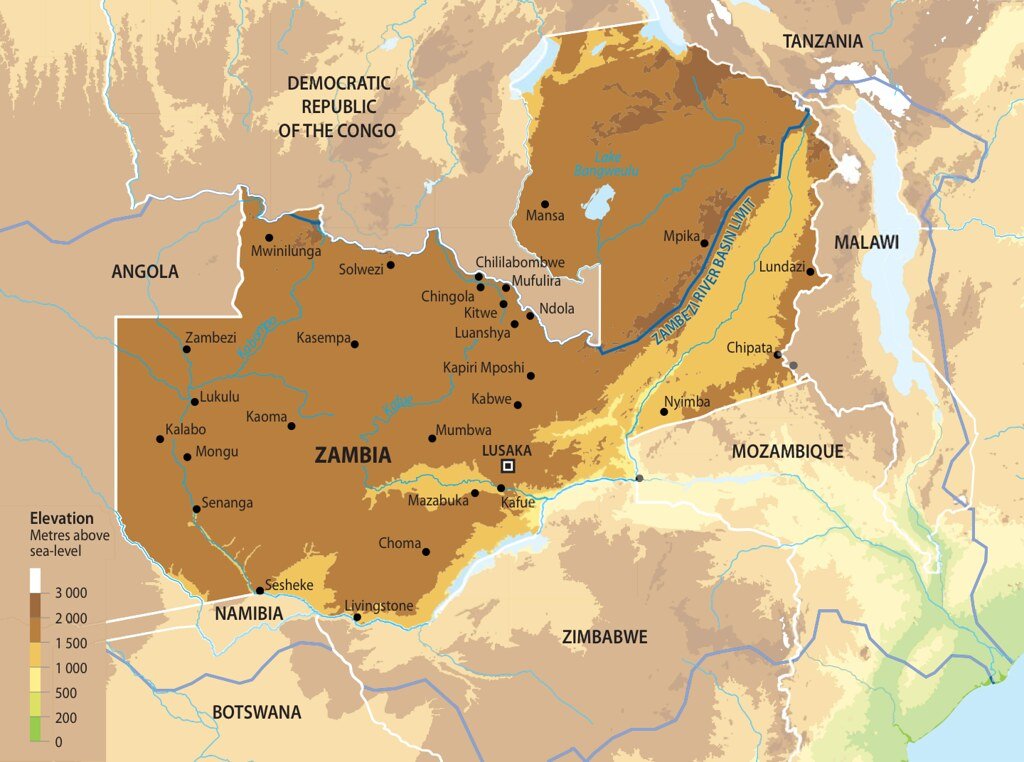
Moving to Zambia to attend a university allows you to interact with different cultural environments and take advantage of quality educational institutions. There are several universities available from which to choose including: The University of Zambia (located in Lusaka); Copperbelt University (located in Kitwe) or private colleges/schools; etc.
As an international student, both personally and as a member of your family, locating the right medical care resources is important and should be researched thoroughly before leaving for Zambia.
Zambia has a healthcare delivery system composed of public healthcare systems, privately owned hospitals/clinics and increasing numbers of specialized emergency medical services. Therefore, as a foreign student, you will need to understand how each type of local and international health insurance operates within the country.
Abroad health-related expenses can quickly become expensive due to accidents/illnesses. Low cost consultations with primary care physicians are generally less expensive than other out-of-pocket expenses. However, emergency situations requiring hospitalization, radiologic/diagnostic imaging testing, and/or air ambulance evacuation back home can greatly disrupt your studies, violate terms of your visa and create significant financial burdens. For these reasons, purchasing sufficient health insurance coverage before arriving in Zambia is necessary to ensure uninterrupted continuation of your education, adherence to your visa requirements and financial stability.
1. Defining the Core Essentials of International Student Coverage
Health insurance policies vary significantly in scope. A basic plan might cover simple doctor visits while excluding critical hospital stays or diagnostic tests. When evaluating coverage options, ensure your policy explicitly includes six core components.
ESSENTIAL COVERAGE COMPONENTS
In-Patient Out-Patient Emergency
& Surgical & Diagnostics & Evacuation
Prescription Mental Health Year-Round /
Medications & Therapy Out-of-Term
In-Patient and Out-Patient Care
Inpatient (Hospital) Care includes Hospital Admission, Room Charges, Surgical Procedures, and Intensive Care. Outpatient (General Practice/ Specialist Visits etc.) Care is General Practitioner Consultations, Specialist Visits, Laboratory Tests, Diagnostic Imaging i.e. Xrays & MRI Scans. Be sure that your policy provides sufficient Benefit Limits in both of these areas as the outpatient area can be rapidly exhausted through the continued treatment of a Seasonal Illness or Minor Injury.
Emergency Care and Medical Evacuation
Emergency Services are among the most important elements of Insurance in southern africa. The need for advanced specialty care for a Traumatic Injury or Organ Failure that requires transport to a Tertiary Care Center in Lusaka or Medical Evacuation from a Regional Hub such as South Africa requires you to include Air Ambulance Transport, Medical Escort Fees & Inter-Facility Transfers as an element of your Policy.
Dental and Optical Care
Routine dental cleanings, dental fillings, eye examinations and eyeglasses prescriptions will rarely be covered under standard entry level coverage.
If they are covered as part of this insurance coverage it is likely to have sub-limitations applied to them that would limit their total amount or frequency of use for each calendar year.
Prescriptions and Supportive Therapies
Verify whether the policy covers chronic medication, acute prescription drugs, and rehabilitative care such as physiotherapy. Access to prescription drugs varies across clinics, so your insurance should support reimbursement for medications purchased at accredited commercial pharmacies when hospital dispensaries lack stock.
Mental Health Support
Academic pressure combined with cultural adjustment can affect your well-being. Look for policies that explicitly list mental health consultations and therapy sessions within their out-patient schedule of benefits.
Year-Round and Out-of-Semester Cover
Student visas often span full calendar years, but academic terms do not. Some basic student policies restrict coverage strictly to term dates. Confirm that your policy protects you during semester breaks, field research trips, and holidays spent within Zambia.
2. Navigating Zambian Healthcare Networks and Direct Billing
Having an active insurance policy is only helpful if local healthcare providers accept it directly. Understanding how insurance claims are processed at medical facilities prevents costly out-of-pocket surprises.
TRADITIONAL REIMBURSEMENT MODEL DIRECT BILLING MODEL
1. Student pays cash upfront 1. Student presents member card
2. Collects receipts & forms 2. Clinic verifies insurance
3. Submits claim to insurer 3. Insurer pays clinic directly
4. Waits weeks for reimbursement 4. Student pays co-pay (if any)
Direct Billing vs. Out-of-Pocket Reimbursement
Direct Billing (Cashless Treatment) allows a Hospital to Bill an Insurer on Your Behalf for Medical Services; You Just Need to Present Your Membership Card, Pay Any Applicable Co-Payment, and Receive Care. Prior to Direct Billing, You Must Pay the Entire Amount of the Bill Upfront Either with Cash or Credit Card; Collect Itemized Receipts and Medical Reports and File Reimbursement Claims Manually. Filing Claims Manually Can Cause Cash Flow Problems for Students with Limited Monthly Budgets
Major Hospital Networks
In Lusaka, major private and specialized medical facilities include:
- Care National Hospital
- Medland Hospital
- Advanced Oncology and Specialty Centers
- University Teaching Hospital (UTH) Private Wing
On the Copperbelt (Ndola and Kitwe), facilities like CCH and local private clinics handle major student populations. Before purchasing a policy, request the insurer’s current network directory for Zambia. Contact the facilities near your campus to verify that they currently honor the insurer’s direct billing arrangement.
Emergency Medical Response Providers
Zambia has specialized emergency organizations like Specialty Emergency Services (SES). SES operates dedicated emergency response vehicles, medical clinics, and air evacuation units. Many local and regional plans partner directly with SES to provide round-the-clock emergency assistance and stabilization.
3. Local Insurers vs. International Expat Providers
When selecting coverage, you will choose between local Zambian insurance products and international health plans. Each option serves specific priorities regarding budget, flexibility, and regional movement.
| Feature / Criteria | Local Zambian Insurers | International Expat Insurers |
| Primary Examples | Madison Life Insurance, Prudential Zambia, SES | AXA Global, Allianz Care, Bupa Global, Cigna, IMG |
| Typical Annual Cost | Lower (priced in ZMW or lower USD equivalent) | Higher (priced in USD, EUR, or GBP) |
| Local Hospital Network | Deep, direct relationships with Zambian clinics | Strong with major private centers; variable in small towns |
| Geographic Portability | Limited primarily to Zambia (some offer regional riders) | Worldwide coverage including home country visits |
| Customer Support | Local business hours; local emergency numbers | 24/7 multilingual international call centers |
| Best Suited For | Price-sensitive students staying inside Zambia | Frequent travelers, dual-location scholars, family moves |
Local Insurance Advantage
Local insurers design products specifically around Zambian healthcare costs. Policies such as Madison Life’s Student Health Plan or Prudential Zambia’s health options offer straightforward coverage for local clinics at accessible price points. Premiums are generally structured in Zambian Kwacha (ZMW), protecting you from currency exchange fluctuations during your studies.
International Insurance Advantage
Global expat policies offer total portability. If you travel regionally across Southern Africa for research, return home during breaks, or plan to relocate after graduation, an international plan moves with you without coverage gaps. These policies also provide high overall annual limits and direct access to top-tier global medical networks.
4. Scrutinizing Financial Structures, Limits, and Exclusions
Understanding the financial terms in your policy document prevents unexpected medical bills. Compare policies across four primary financial parameters.
POLICY FINANCIAL STRUCTURE
[ Annual Overall Maximum Cap ]
[ Deductible / Out-of-Pocket Excess ]
[ Co-Payment Percentage ] (e.g., 10% or 20% per visit)
[ Sub-Limits ] (e.g., Dental Cap, Pharmacy Limit)
Premiums vs. Out-of-Pocket Expenses
The premium is the fixed fee you pay annually or termly to maintain coverage. A lower premium often comes with higher deductibles or co-payments:
- Deductible: The fixed amount you must pay out of pocket before insurance kicks in.
- Co-payment: A percentage of each medical bill (e.g., 10% or 20%) that you pay at the time of service.
If you visit doctors frequently, a policy with a slightly higher annual premium but zero deductible may save you money overall.
Benefit Caps and Sub-Limits
Pay close attention to annual benefit limits. A policy might advertise an overall limit of $100,000, but enforce strict sub-limits:
- Maximum $300 per year for prescription medications.
- Maximum $500 per year for specialized diagnostic testing.
- Maximum $200 per year for mental health consultations.
Ensure sub-limits are realistic for common medical needs.
Common Policy Exclusions
Insurance policies systematically exclude certain conditions and activities. Read the fine print for:
- Pre-existing Conditions: Medical conditions you had before the policy start date are often excluded or require explicit underwriting approval.
- High-Risk Activities: Injuries sustained while participating in extreme sports, motor racing, or unapproved recreational activities may not be covered.
- Unapproved Treatments: Alternative therapies, cosmetic procedures, and non-prescription supplements are standard exclusions.
Waiting Periods
Waiting periods represent the timeframe during which you cannot claim benefits for specific services after purchasing a policy. Maternity care routinely carries a 10-to-12-month waiting period on both local and international plans. Some dental, optical, or pre-existing condition coverages may also enforce 3-to-6-month waiting periods.
5. Visa Compliance and University Requirements
While immigration requirements and university rules differ, securing appropriate health coverage remains essential for maintaining legal status and enrollment.
REGISTRATION CHECKLIST
Valid Insurance Certificate / Cover Note
In-Patient & Emergency Medical Evacuation Included
Policy Active for Full Academic / Visa Duration
Institutional Clinic Registration Complete
Immigration and Residence Requirements
The Department of Immigration in Zambia requires international students to show proof of financial self-sufficiency and valid study permits. While health insurance mandates vary by permit category, immigration officers and border officials frequently request proof of health coverage during study permit renewals or extensions. Holding a formal health insurance certificate simplifies visa processing.
University Registration Rules
Major Zambian universities require international students to present valid insurance documentation during orientation and registration. Certain institutions maintain on-campus clinics for basic primary care and require students to pay a small campus health fee. However, on-campus clinics handle only minor health issues; they rely on external insurance policies for referrals, laboratory work, emergency transport, and hospitalizations.
Key Documentation Needed
Always request an official Insurance Certificate or Letter of Guarantee from your provider immediately after purchasing coverage. This document must state:
- Your full legal name matching your passport.
- The exact start and end dates of coverage.
- The territorial scope (e.g., “Zambia” or “Worldwide”).
- Clear confirmation of emergency evacuation coverage.
6. Emergency Response Logistics and Medical Evacuation
Zambia spans a vast geographic area. Outside major urban centers like Lusaka, Ndola, and Kitwe, healthcare resources can be limited. If you plan to travel, undertake rural fieldwork, or study outside major cities, emergency evacuation arrangements become critical.
┌──────────────────────────────────────────────────────┐
EVACUATION PROTOCOL STEPS
└──────────────────────────┬───────────────────────────┘
▼
┌──────────────────────────────────────────────────────┐
1. Emergency Trigger & Immediate Local Triage
└──────────────────────────┬───────────────────────────┘
▼
┌──────────────────────────────────────────────────────┐
2. Insurer Medical Desk Authorization
└──────────────────────────┬───────────────────────────┘
▼
┌──────────────────────────────────────────────────────┐
3. Dispatch of Ground/Air Ambulance (e.g., SES)
└──────────────────────────┬───────────────────────────┘
▼
┌──────────────────────────────────────────────────────┐
4. Transfer to Advanced Tertiary Care / Regional Hub
└──────────────────────────────────────────────────────┘
The Evacuation Process
Medical evacuation involves transferring a patient from a facility that cannot provide required care to an equipped regional hospital. In severe medical situations, this involves dispatching a specialized ground ambulance or air ambulance equipped with intensive care support.
Evaluating Evacuation Provisions
When reviewing an evacuation rider or policy clause, check three key operational details:
- Authorization Authority: Who determines if an evacuation is medically necessary? Ensure the policy allows local attending physicians to coordinate directly with the insurer’s emergency desk without unnecessary administrative delays.
- Transportation Limits: Does the plan cover air ambulance services fully, or does it enforce a low financial cap? Air evacuations within Southern Africa can cost thousands of dollars.
- Repatriation of Remains: Verify that the policy includes repatriation coverage, which handles transport to your home country in the event of fatal accidents or illnesses.
7. Family-Specific Considerations: Spouses and Children
Moving to Zambia with dependents requires an expanded health insurance strategy. Household policies must account for pediatric care, routine immunizations, and potential maternity needs.
FAMILY COVERAGE CHECKLIST
Child Eligibility Caps (Age Limits for Dependents)
Pediatric Care & Routine Immunization Schedules
Maternity Benefits & Waiting Period Clearances
Dependent School & Visa Medical Certificates
Dependent Eligibility
Insurers generally define eligible dependents as legally married spouses and unmarried children under a specific age (typically up to age 18, or up to age 23 if enrolled in full-time education). Ensure your policy permits adding dependents mid-term if you marry or have a child during your studies.
Maternity Coverage Dynamics
If you plan to expand your family while studying in Zambia, review maternity benefits early. Most international and local policies apply a strict 10 to 12-month waiting period before maternity benefits become active. This means pregnancy must begin after the waiting period ends for care to be covered. Standard maternity benefits should cover:
- Antenatal consultations and ultrasound scans.
- Delivery costs (routine or emergency C-section).
- Postnatal care for mother and baby.
- Emergency newborn care during the first weeks after birth.
Pediatric Care and School Health Checks
Children require routine visits for growth monitoring, vaccinations, and seasonal illnesses. Verify that out-patient cover for children includes standard childhood immunizations and physical examinations required for school enrollment in Zambia.
8. Claims Process, Digital Portals, and Customer Support
An insurance policy is only as good as its customer support when you are unwell. Evaluating administrative efficiency before purchasing saves significant stress later.
EVALUATING CUSTOMER SUPPORT QUALITY
24/7 Telephone Assistance Line
Mobile App / Online Portal Claims Submission
Clear Claims Reimbursement Turnaround (< 14 Days)
Multilingual / Clear English Communication
Claims Submission Methods
Modern providers offer digital claims processing via mobile apps or web portals. You upload photos of your medical invoice, prescription, and treatment summary, then track the claim’s approval status online. Avoid providers that require physical paper forms submitted in person or by post for routine out-patient claims.
Response Time and Turnaround
Ask the insurer about their standard turnaround times for:
- Issuing hospital guarantees of payment during non-emergency admissions (should take less than 24 hours).
- Reimbursing valid out-of-pocket claims (should take no more than 10 to 14 business days).
Evaluating Local Reputation
Talk to international student advisors, university administrative staff, and current foreign students. Ask direct questions:
- Which insurers pay local hospital claims without long delays?
- Have you experienced denied claims for covered services?
- How responsive is the provider’s local customer service team?
Real experiences from fellow students provide reliable guidance when selecting a provider.
9. Actionable Comparison Matrix and Selection Checklist
To choose the right policy, organize your quotes and research using a structured decision framework.
DECISION FLOWCHART FOR STUDENTS
Is your budget primary concern
and travel limited to Zambia?
YES NO
▼ ▼
Select a Local Plan Select a Portable Plan
(e.g., Madison, Prudential) (e.g., AXA, Bupa, Cigna)
▼
Add Emergency Evacuation Coverage
(e.g., SES Rider)
▼
Verify Direct Billing at Campus Clinic
▼
Purchase Policy & Secure Certificate
Step-by-Step Policy Evaluation Checklist
Use this checklist when comparing health insurance quotes for your study period in Zambia:
- Verify Coverage Scope: Confirm in-patient, out-patient, diagnostic, emergency, and prescription cover meet your personal health requirements.
- Review Network Coverage: Confirm direct billing access at hospitals near your residence and university in Zambia.
- Check Evacuation Provision: Ensure explicit air and ground medical evacuation benefits are included.
- Calculate Total Costs: Add up the annual premium, per-visit co-payments, annual deductibles, and any payment processing fees.
- Inspect Exclusions and Waiting Periods: Read all restrictions regarding pre-existing conditions, high-risk sports, and maternity waiting periods.
- Verify Visa Suitability: Ensure the insurer provides an official certificate accepted for university enrollment and study permit applications.
- Test Customer Support: Call the provider’s helpline before purchasing to evaluate promptness and helpfulness.
By thoroughly reviewing these options, you can secure reliable, cost-effective health coverage tailored to your educational journey in Zambia.
References:
- April International. (2026, June 30). Health insurance in Zambia. https://www.april-international.com/en/destinations/africa/health-insurance-in-zambia
- Compare Expat Plans. (2026, January 26). Allianz Care health insurance in Zambia – Compare expat plans. https://compareexpatplans.com/countries/zambia/insurance/allianz-care/
- ExpatLife.ai. (2026, March 22). Healthcare in Zambia for expats 2026: Insurance, costs & hospitals. https://expatlife.ai/zambia/healthcare
- Indigo Expat. (2025, January 29). International health insurance expatriates Zambia. https://indigo-expat.com/en/informations/country-guide/international-health-insurance-expatriates-zambia/
- Madison Life Insurance Company Zambia Limited – MLife. (2025, July 28). Affordable health cover for students! Are you studying in Zambia? Secure your health and peace of mind with the Madison Life Student Health Policy [Facebook post]. https://www.facebook.com/MLIFE.Zambia/posts/-affordable-health-cover-for-students-are-you-studying-in-zambia-secure-your-hea/877
- Madison Life Insurance Company Zambia Limited – MLife. (2025, July 28). Students students students – For only K250 per month / K2980 per year, you’ll get full medical coverage from Madison Life Insurance Company Zambia Limited – MLife [Facebook post]. https://www.facebook.com/Mordecaiizambia/posts/students-students-students-for-only-k250-per-month-k2980-per-year-youll-get-full/
- National Health Insurance Management Authority (NHIMA). (2020, January 30). NHIMA consults with HEA. Health Equity Access (HEA). https://hea.org.zm/nhima-consults-with-hea/
- Pacific Prime. (2019, December 31). Zambia health insurance for expats. https://www.pacificprime.com/country/africa/zambia-health-insurance/
- Sharda University Zambia. (2025, September 18). What is health insurance for international students? https://zambia.shardauniversity.org/international-student-health-insurance-guide
- Specialty Emergency Services (SES). (2025, August 18). International health and life insurance for individuals, families and corporates. https://www.ses-unisure.com/