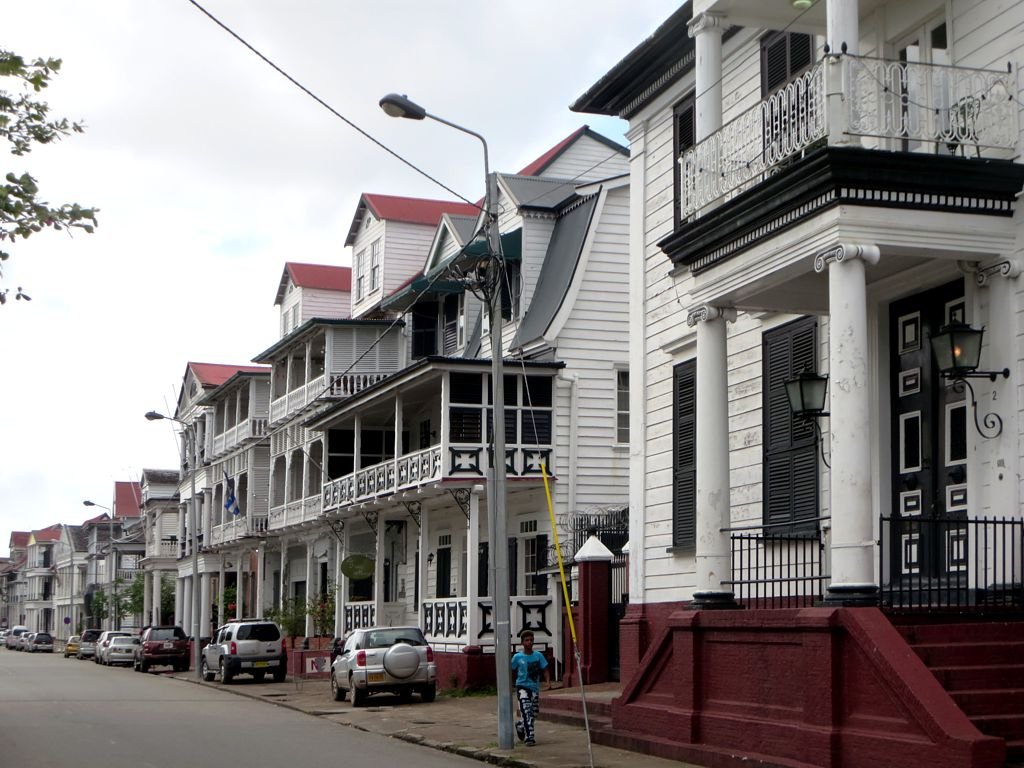
Higher education in Suriname can provide a truly unique cultural and environmental learning experience. The country’s natural resources include the Amazon Rainforest; it has a rich cultural background with many ethnic groups representing its South American identity and connection to the Caribbean. However, preparing for life as an international student requires considerable administrative planning. At the very top of this list are health insurance policies.
Your choice of health insurance policy may be one of the most important choices you make when studying abroad. Securing the correct policy is much more than just clearing a border crossing. A health insurance policy will protect your health, your financial situation, and ultimately your opportunity to successfully complete your degree. Healthcare in Suriname operates within significant structural limitations. Your health insurance should therefore address both your access to healthcare services through private providers locally and also emergency medical evacuation from Suriname.
This guide will help you evaluate, purchase, and maintain health insurance while studying in Suriname.
1. Visa Requirements and Legal Compliance
You cannot separate health insurance from your legal status in Suriname. The Ministry of Foreign Affairs and immigration authorities require proof of adequate coverage before granting or renewing student visas and residence permits.
Embassy and Immigration Mandates
When submitting your visa application, you must present an official certificate of insurance. Immigration officers look for specific criteria:
- Uninterrupted Duration: Coverage must span the entire length of your intended stay, not just your first semester.
- Geographic Validity: The policy must explicitly list Suriname as a covered territory.
- Minimum Limit Standards: The policy must offer adequate annual caps for inpatient care, emergency services, and medical repatriation.
- Language Requirements: Ensure your proof of coverage is written in English or Dutch. Immigration officials in Paramaribo will reject certificates issued in languages they cannot verify.
The Basic National Insurance (Basiszorgverzekering)
Once you have arrived at your destination and officially registered as a resident of that area, local law requires that you participate in the basic statewide health insurance program for Suriname, which is called Basiszorgverzekering. It will be handled by a government agency such as the SZF (Staatsziekenfonds). Do not depend upon this minimal required plan alone. While participating in Basiszorgverzekering satisfies your legal requirement to demonstrate residency in Suriname; it does not provide adequate protection for many needs. There are frequently shortages in medical supplies at publicly operated clinics and very long waiting periods. In addition, Basiszorgverzekering does not pay for medical treatment outside of Suriname or expensive air ambulance services. A separate private international health insurance policy with good coverage or an allinclusive policy covering both domestic and foreign medical expenses should run simultaneously with or in place of any mandatory local plan.
2. Healthcare Infrastructure in Suriname
Understanding local medical delivery helps you choose appropriate policy terms. Healthcare resources in Suriname are heavily centralized.
Suriname Healthcare Landscape
Location Concentration Over 80% of resources are in Paramaribo.
Hospital System 5 hospitals nationwide (3 in the capital).
Care Ceiling Advanced trauma, pediatric subspecialties,
and complex oncology are severely limited.
The Paramaribo Hub
Most of the hospitals and specialists are located in Paramaribo; in other parts of the country, mostly the RGD (Regional Health Services) or Medische Zending provide a basic level of medical services. As an international student at Anton de Kom University of Suriname or as someone doing field work outside of cities in the country’s remote districts, please be aware that serious health problems may need to be treated by traveling back to Paramaribo.
The country operates five main hospitals. The three largest reside in Paramaribo:
- Academic Hospital Paramaribo (AZP): The largest tertiary facility and main trauma center.
- Sint Vincentius Ziekenhuis: A privatepreference hospital offering specialized outpatient and inpatient care.
- Diakonessenhuis: A historic facility providing general medical and surgical services.
Public vs. Private Facilities
Many public hospitals in Australia have delayed admissions to their public wards due to the lack of available staff and shortage of many commonly used pharmaceuticals that are manufactured outside of Australia. In addition, waiting lists for elective surgery may be as long as six months for some procedures.
In contrast, private medical facilities provide rapid appointment times, modern diagnostic equipment, and staff who speak English. The cost is much higher than what patients would pay at a public hospital; unless your health insurance company has an agreement with the private clinic for “direct billing,” you will need to pay the entire cost of services prior to receiving treatment and before you can leave the facility. Your health insurance policy must include coverage for visits to one of these private medical facilities.
3. Medical Evacuation and Treatment Abroad
The number one component of a country’s International Health Policy in Suriname should be Emergency Medical Evacuations (Medevacs) because for the most part, local hospital are capable of handling routine surgeries, routine traumas and standard tropical diseases. Complex heart operations, advanced cancer treatment, specialty neurological surgery and level three neonatal intensive care can be handled by no hospital within Suriname and when they do require that type of emergency care it has to go overseas.
Common Medical Evacuation Corridors
Destination Primary Capabilities
The Netherlands Tertiary specialist care, complex oncology
Colombia / Brazil Advanced surgical centers, trauma recovery
Miami, USA Comprehensive emergency care, subspecialties
Curaçao / Aruba Regional stabilization and specialized care
What to Look for in Evacuation Clauses
When reading policy terms, do not settle for a basic “repatriation” clause. Look for the following explicit provisions:
- 24/7 Air Ambulance Dispatch: The insurer must operate a roundtheclock emergency desk capable of arranging charter flights equipped with medical teams.
- Choice of Destination: Ensure the policy permits transport to reputable medical hubs such as the Netherlands, Colombia, or the United States, rather than strictly the nearest regional clinic.
- PostEvacuation Care: A medical flight stabilizes and moves you, but treatment does not end at the runway. Verify that your policy covers hospital admission and extended care in the destination country.
- Escort Coverage: If you travel with a spouse or child, the policy should fund travel expenses for an accompanying family member during an evacuation.
4. Designing Coverage: Single Students vs. Families
Your household structure changes your insurance requirements. Single students can prioritize lean, flexible protection. Families require multilayered safety nets.
Baseline Coverage for Single Students
If you are relocating alone, your main focus is protecting your academic calendar and personal finances.
- Inpatient and DayPatient Care: Covers hospital stays, surgery fees, and intensive care.
- Outpatient Services: Includes general practitioner visits, specialist consultations, laboratory tests, and Xrays.
- Prescription Medications: Look for plans that reimburse local pharmacy purchases without complex preauthorization rules for basic antibiotics or common treatments.
- Mental Health Support: Academic pressure combined with international relocation can create stress. Ensure your plan covers consultations with psychologists or therapists, ideally including virtual visits.
- Sports Exclusions: If you play recreational football, go jungle trekking, or swim in interior rivers, read the policy fine print. Some insurers classify outdoor activities as “high risk” and exclude injuries sustained during them.
Comprehensive Coverage for Academic Families
Bringing a spouse or children introduces complex medical needs that require broader benefits.
Family Policy Considerations
Feature Key Requirement
Maternity Care Check waiting periods (typically 1012 months).
Newborn Inclusions Automatic enrollment from birth without caps.
Pediatric Care Routine vaccinations, growth monitoring.
Modular Design Tailor high cover for student, basic for kin.
- Maternity and Childbirth: If you plan to start or grow your family while studying, check waiting periods immediately. Most insurers enforce a 10 to 12 month waiting window before maternity benefits become active.
- Newborn Coverage: Ensure the policy automatically enrolls newborns from the moment of birth. This protects against financial ruin if a child requires neonatal intensive care.
- Pediatric Outpatient Care: Children visit doctors frequently for routine illnesses, wellness checks, and vaccinations. Confirm that outpatient copays for pediatric visits are low.
- Modular Customization: Select insurers allow you to mix coverage tiers. For example, the primary student may hold a highlevel tier required by their program, while dependants hold tailored routine care modules.
5. Selecting a Provider: Local vs. International
Choosing between a Surinamese insurer and an international provider comes down to where you intend to seek care and how you prefer to pay.
Local Insurers
Companies such as SZF, Assuria, Parsasco, and PZS dominate the domestic market.
- Advantages: Established directbilling networks across Paramaribo clinics. Doctors and administrative staff in local hospitals deal with them daily. Premiums are generally lower than global plans.
- Disadvantages: Limited benefits for care outside Suriname. Medical evacuation limits are often low or absent. Customer service portals may operate primarily in Dutch.
International Insurers
Global expat carriers—such as Cigna Global, Allianz Care, Bupa Global, IMG, GeoBlue, April International, and Now Health—cater directly to mobile populations.
- Advantages: High overall coverage limits. Comprehensive medical evacuation guarantees. Multilingual 24/7 support lines. Coverage extends across home trips and international travel.
- Disadvantages: Higher annual premiums. Direct billing in Paramaribo may be restricted to major private hospitals, requiring you to pay small outpatient fees upfront and file claims later.
Direct Billing Mechanics
Paying thousands of dollars out of pocket while waiting weeks for a claim check strains any student budget. Ask prospective insurers for their list of direct billing partners inside Paramaribo. If a plan requires you to pay cash upfront for hospital admissions exceeding $1,000, keep shopping. Direct settlement for inpatient emergencies is essential.
6. Managing Costs: Premiums, Deductibles, and Policy Fine Print
Health insurance costs vary widely based on age, coverage zone, and deductible settings.
Premium Expectations
- Single Student (Basic Coverage): Expect to pay between $500 and $1,200 per year for standard international plans covering inpatient emergencies, basic outpatient care, and medevac.
- Single Student (Comprehensive Coverage): Broad policies with low deductibles, worldwide travel coverage, and mental health addons typically range from $1,500 to $2,800 per year.
- Family (Student Spouse 1 Child): Comprehensive family coverage generally spans $3,500 to $7,500 per year, depending on selected maternity and dental modules.
Understanding Policy Parameters
Financial Terms Decoded
Term Impact on Student Finances
Deductible (Excess) The fixed amount you pay before insurance
steps in. Higher deductible = lower premium.
Copayment A percentage of each claim you pay. Seek 0%
copays for hospital stays.
Annual Maximum Limit The total the policy pays per year. Select
policies offering at least $1,000,000.
Navigating Deductibles Strategy
If you are in a good financial position (i.e., have some money set aside), the deductible option of either $250 or $500 can save you hundreds on an annual basis. But, if you are in a difficult place financially (cashflow constraints), go with the $0 deductible plan. With a $0 deductible plan, you won’t be faced with having to make a choice between going to the doctor when you are sick and being able to purchase books you need for school.
7. Comparative Analysis: Single vs. Family Planning
To help you decide, the following table compares key operational considerations for single students versus families living in Suriname.
| Decision Factor | Single International Student | Family (Student Dependants) |
| Visa Certificate Requirement | Individual certificate covering full study dates. | Combined certificate explicitly naming every dependant. |
| Primary Healthcare Strategy | Outpatient clinic access in Paramaribo lowdeductible emergency care. | Network access to pediatricians, OBGYNs, and general practitioners. |
| Medical Evacuation Priority | Essential singleseat air ambulance authorization. | Familyinclusive evacuation clauses covering accompanying members. |
| Local Insurance Integration | Supplement mandatory Basiszorgverzekering with international medevac. | Enroll all dependants in local basic insurance; maintain private global umbrella cover. |
| Direct Billing Needs | Critical for hospital stays and expensive diagnostic scans. | Critical for both hospital care and frequent routine pediatric visits. |
| Key Risk Points | Sports exclusions, mental health caps, lost study time from illness. | Maternity waiting periods, newborn exclusion clauses, escalating perperson deductibles. |
| Administrative Complexity | Low. Standard online claims portal and digital ID cards. | Moderate to High. Multiple claims tracking, dependant document validation. |
8. StepbyStep Action Plan Before Departure
Follow this practical checklist to finalize your health coverage before landing in Paramaribo:
- Audit Your Visa Timeline: Determine the exact start and end dates of your study program. Ensure your insurance policy matches these dates completely.
- Request an Official Visa Letter: Once enrolled, ask your insurer to issue a formal “Certificate of Insurance” listing all covered members, geographic scope, and evacuation inclusions.
- Save Emergency Contacts: Store your insurer’s 24/7 assistance phone number and policy group number in your mobile phone and on paper inside your passport holder.
- Locate Network Clinics: Identify the location of Sint Vincentius Ziekenhuis and Academic Hospital Paramaribo relative to your housing in Paramaribo.
- Establish a Claims Fund: Keep a dedicated credit card or cash reserve ($300–$500) available to handle minor outpatient prescription costs that require upfront payment and reimbursement.
- Verify MultiYear Renewal Terms: If your degree lasts three or four years, confirm that the policy guarantees renewal without reunderwriting or excessive rate spikes due to claims made in year one.
Pro Tips:
Studying in Suriname offers many good options of studying both academically and culturally. It is also important to have an understanding of how the country’s healthcare system operates so you can prepare accordingly. To be prepared to navigate this foreign system it will be helpful if you are able to identify those private hospitals or clinics in Paramaribo that offer direct billing, as well as obtain a medical evacuation plan. The sooner you are compliant with all applicable laws regarding your education and health care and secure proper medical insurance protection, the better protected you will be financially, personally and from an educational standpoint for years to come.
References
- Cyril Jarnias. (2026, April 29). Expat healthcare Suriname: Complete guide. https://www.jarniascyril.com/expatriation/movingtosurinameasanexpatcompleteguide/expathealthcaresurinamecompleteguide/
- Cyril Jarnias. (2026, April 24). Study in Suriname: Complete guide to succeeding. https://www.jarniascyril.com/expatriation/movingtosurinameasanexpatcompleteguide/studyinsurinamecompleteguideparamaribo/
- ExpatFinder. (2025, August 26). Best medical insurance for expats. https://www.expatfinder.com/insuranceguide/bestmedicalinsuranceforexpats
- ExpatFinder. (2025, August 26). Best international health insurance for expats. https://www.expatfinder.com/insuranceguide/bestinternationalhealthinsuranceforexpats
- ExpatInsure. (2026, August 3). International health insurance providers. https://www.expatinsure.com/internationalhealthinsuranceproviders/
- ExpatInsure. (2026, January 6). Travel insurance vs. expat health insurance: Best health insurance for expats. https://www.expatinsurance.com/articles/besthealthinsuranceforexpats
- ExpatLife.ai. (2026, March 23). Healthcare in Suriname for expats 2026: Insurance, costs & hospitals. https://expatlife.ai/suriname/healthcare
- Expatica. (2026, June 9). The top 5 international health insurance companies for expats. https://www.expatica.com/global/healthcare/healthcarebasics/besthealthinsurancecompanies2173425/
- FirstLineCare. (2025, September 30). Home. https://firstlinecare.sr/
- Jarnias, C. (2026, March 8). Soins & santé expatriés Surinam: Guide complet [Healthcare in Suriname for expats: Complete guide]. https://www.cyriljarnias.com/expatriation/sinstallerausurinamentantquexpatrieguidecomplet/soinssanteexpatriessurinamguidecomplet/
- Now Health International. (2025, September 24). Now Health International. ExpatInsure. https://www.expatinsure.com/insurancecompany/now/
- Student Insurance Portal. (2026, March 3). Insurance for students from Suriname studying at Deutsche Welle. https://studentinsuranceportal.com/from/suriname/touniversity/deutschewelle
- Suriname Hub. (2026, January 27). Healthcare in Suriname: What locals, expats, and visitors should know. https://surinamehub.com/healthcareinsuriname/
- VFS Suriname. (2026, July 23). Medical reasons. https://suriname.vfsevisa.com/medical.html