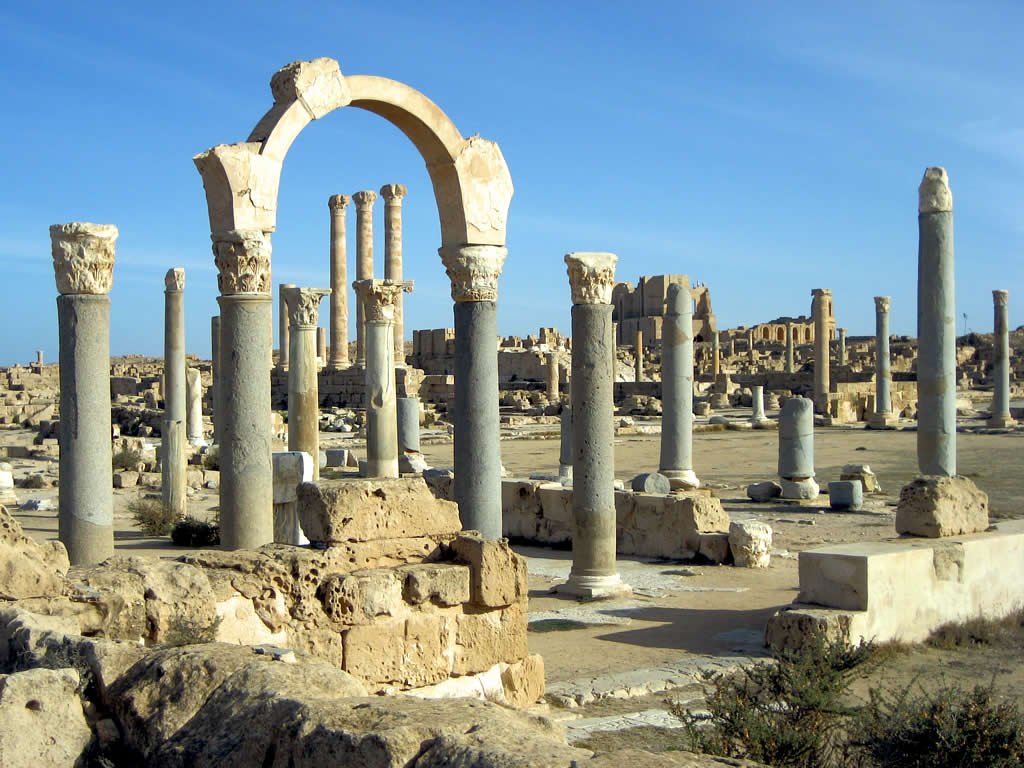
Libya’s relocation presents an array of possibilities and challenges. Your safety and access to quality medical care are probably your number one concerns if you’re traveling to Libya alone as a college student or relocating there with your family. Libya has a developing public health system with significant obstacles. On the other hand, private hospitals in many urban centers have developed advanced diagnostics and provide high-quality care, however, the level of quality can vary significantly depending on where you live in Libya.
You will require a health insurance policy. The correct health insurance plan is your protection. Nevertheless, locating a plan that provides real coverage while you are living abroad (Tripoli, Benghazi, Misurata) needs you to go past the glossy advertisement brochures. This article explains precisely what you should be searching for when selecting a health insurance provider, what questions you need to inquire about, and how to establish a health insurance policy that will give you confidence in your ability to receive safe medical treatment.
The Libyan Healthcare Reality: Why Location Matters
In a lot of places, no matter what country you are going to be in, almost all of the time, any standard Expat Policy will work. Libya is an exception. The key to getting good service from your insurance company in Libya is having a strong, well-connected local network for them. It may seem like a big deal when it says “World Wide Coverage,” and maybe it does appear that way. But if there are hospitals and clinics where you are, in Libya, they probably won’t accept your insurance company’s payment, so you’ll likely end up paying thousands of dollars in cash for the cost of treatment.
Libya has very few private medical facilities (clinics) located throughout its vast landmass. Most exist within urban areas (Tripoli/Benghazi). Within those two cities, most people can get good care for common ailments/conditions (minor surgeries), run-of-the-mill diagnostic tests, etc. However, because of the large distance between the majority of populated areas in Libya and other parts of the country (urban vs rural) it creates a huge disparity in access to quality medical services. Therefore, your insurance company must have an existing relationship (pre-arranged agreement) with at least some local clinics. There are several Libyan-based companies who have created models that address this lack of local representation. For example, Sahara Insurance Company is one of Libya’s largest local insurance companies and has developed a network of locally accredited healthcare providers across various urban areas. Additionally, they have their own internal staffed claim administration teams. That is important. When something happens (emergency), you want someone representing your insurance company who speaks Arabic fluently and can quickly confirm your coverage and authorization to receive treatment immediately.
The 10 Core Pillars of a Libyan Health Insurance Policy
To secure a policy that provides genuine protection, you must evaluate ten distinct features. Use these pillars as a checklist when comparing international and regional providers.
1. Local Hospital and Clinic Networks
Instead of buying a plan solely because it is called “worldwide,” require the company to name every hospital in your area that they will cover. For instance, if you are a student at the University of Tripoli, your insurance provider should be able to show evidence that they have agreements with the best hospitals in Tripoli. The same would apply to students from Benghazi or Misurata.
If an insurance company has a local network but also provides global coverage through a partnership, then that could be a good option for expats. A couple of examples include Sahara Insurance’s Regional/Global Plans (with Bupa International), as well as Takaful Insurance Company’s Plan which gives their customers access to local hospitals (through Allianz Partners) and also allows them to go to a large number of hospitals around the world.
2. Emergency Medical Evacuation and Repatriation
Below is the most crucial component of any Libyan health insurance plan. If you or a family member has suffered a serious trauma; a complex cardiac event; or a medical condition that requires specialized care, local private facilities may not have the resources to provide for your needs. In this case, you will require evacuation to a nation with advanced medical infrastructure such as Tunisia, Egypt, or europe.
A standard travel insurance policy will not protect you from financial and physical risk. You must purchase a dedicated international private medical insurance (ipmi) program with high evacuation limits. Major global providers of ipmi products design programs which include emergency medical evacuation and repatriation of individuals as a standard feature of their plans. These programs generally offer a combined evacuation and repatriation limit of $1 million.
Programs like april internacional do more than just pay the bills. They handle all of the logistics associated with an emergency. When an emergency occurs, partners of the assistance services of these programs — including ceca group based in london and other support centers located in Asia — contact the physicians treating the patient, determine the capabilities of local facilities, and arrange for air ambulances, commercial flights with medical attendants on board or medically escorted commercial flights. Without a robust, 24-7 evacuation process in place under your plan, you are exposed to massive financial and physical risk.
3. Inpatient vs. Outpatient Coverage
Your daily needs will dictate how you balance your inpatient and outpatient coverage.
- Inpatient care covers treatment that requires an overnight hospital stay, such as surgeries, intensive care, and major diagnostic testing.
- Outpatient care covers general practitioner visits, specialist consultations, prescribed medications, and outpatient physical therapy.
Single students can often manage with an “inpatient-only” plan combined with basic outpatient add-ons to save on premiums. However, families cannot afford to skip comprehensive outpatient coverage. Young children require frequent doctor visits, vaccinations, and prescriptions. Ensure your outpatient limits are high enough to cover these recurring expenses without triggering high out-of-pocket copays.
4. Pre-Existing Conditions
How an insurer handles pre-existing medical conditions can make or break your policy. In the international insurance market, providers generally take one of three paths:
- Full Exclusion: The insurer will not cover any treatment related to a condition you had before the policy started.
- Premium Loader: The insurer agrees to cover the condition, but charges a higher monthly premium to offset the risk.
- Moriah / Waiting Periods: The insurer may agree to cover the condition after you have been symptom-free and treatment-free for a set period (usually two years).
Always disclose your medical history fully. If you fail to declare a condition like asthma or diabetes, the insurer can void your entire policy when you make a claim. Read the policy document carefully to see if your routine medications are covered under the outpatient benefit.
5. Maternity and Newborn Cover
For families, maternity coverage is a major consideration. If you plan to expand your family while living in Libya, you must secure this coverage early. Almost every international insurance policy enforces a strict waiting period for maternity care, typically ranging from 10 to 24 months. This means you cannot claim maternity benefits if you become pregnant immediately after purchasing the policy.
Maternity cover should extend beyond prenatal visits and delivery. It must include comprehensive newborn cover. If a baby is born prematurely or requires intensive care (NICU), the costs can escalate rapidly. Ensure your policy automatically adds newborns to the plan from birth without medical underwriting, provided you notify the insurer within the specified timeframe (usually 30 days).
6. Digital Claims and Telehealth Support
Dealing with physical paperwork while navigating a new city can be incredibly frustrating. Modern insurers solve this issue through digital ecosystems. When comparing plans, look for features like:
- Mobile Apps: Platforms like APRIL International’s “Easy Claim” allow you to snap photos of invoices and submit claims digitally.
- 24/7 Telehealth: Access to English-speaking doctors via video or phone is invaluable. It helps you determine whether a minor symptom requires a trip to a local clinic or can be managed at home.
- Multilingual Support: Local administrative staff in Libyan clinics may not speak English fluently. Having a multilingual helpline that can step in to translate or coordinate billing directly with the clinic is a major asset.
7. War, Terrorism, and Security Exclusions
The distinction is very important to those living in Libya. Due to the complexity of both the political climate and the security situation within the country; many standard (internationally recognized) health and travel insurance policies have “war and terrorism” exclusion clauses built into them. Therefore, in the event you become injured because of civil unrest, military conflict or acts of terror directly/indirectly – a standard policy will deny payment for your medical treatment.
That being said, there is special coverage. The leading global health insurance brokerages, like Pacific Prime, can provide customized global medical insurance coverage that covers high risk areas. They also can create customized policies with war and terrorism included so emergency medical services and/or personal accidental death benefits and emergency evacuations from hostile situations will be paid for when they arise due to the degrading of local conditions. Please do read all of the language related to general exclusions in your policy word for word.
8. Geographic Coverage Options
When you purchase an international policy, you must select your geographic area of coverage. Most providers offer tiered options:
- Local/Regional: Covers treatment only in Libya and perhaps immediate neighbors like Tunisia or Egypt. (e.g., Sahara Insurance’s “Sahara Plan” or “North African Plan”).
- Worldwide Excluding USA: Offers global coverage but excludes the highly expensive US healthcare system to keep premiums affordable.
- Worldwide Including USA: Full global coverage.
For expats in Libya, a regional plan that includes nearby countries is highly practical. If you need a secondary medical opinion, being able to travel easily to Tunis or Cairo for treatment—and having your insurance cover it seamlessly—is a major advantage. Sahara Insurance’s Mediterranean and North African plans are structured specifically with this cross-border dynamic in mind.
9. Deductibles, Copays, and Policy Limits
Understanding the financial mechanics of your policy prevents surprise bills.
- Deductible: The amount you must pay out of pocket each year before your insurance coverage kicks in.
- Copay: A percentage of the medical bill (e.g., 10% or 20%) that you must pay at each visit.
- Annual Limit: The maximum amount the insurer will pay in a single policy year.
If you are a healthy student on a budget, selecting a higher deductible will lower your monthly premium. If you are a family, a zero-deductible plan with a small copay is usually more cost-effective, as it covers the frequent, smaller costs of pediatric care without delay. Ensure the overall annual limit is high enough (ideally $1,000,000 or more) to cover a catastrophic event and subsequent emergency evacuation.
10. Direct Billing vs. Reimbursement
Direct billing (also known as direct settlement) means the hospital will be billed by the patient’s insurance company directly. You go to the doctor/hospital and present your membership card; you possibly have to pay a copayment and then leave. In contrast, with reimbursement, you are responsible for paying all of the charges at the time of service using either cash or credit card. After receiving an invoice from each provider, you can submit this to your insurance company to receive your refund.
In Libya, direct billing is one of the many advantages to private hospitals. For example, some private hospitals in Libya do not allow patients to receive care without first making a deposit and/or paying in full upon arrival. As such, it would cause undue stress to carry large amounts of money on hand or to arrange for international wire transfers when experiencing a serious illness. Therefore, confirm whether your insurance carrier has direct billing arrangements with the major private hospitals you intend to utilize. Even if your insurance carrier does not offer direct billing services with the providers you wish to visit, check their processing times for submitting and reimbursing claims. For instance, Sahara Insurance Company states that they complete settled claims within 5 business days.
Tailoring Your Strategy
Your demographic profile dictates your insurance priorities. A single student has very different risk tolerances and budgetary constraints than a family of four.
Single International Students: Lean and Compliant
As a single student, your primary goal is to secure a plan that complies with your university’s visa requirements while protecting you from major emergencies.
[Budget & Compliance] ──> [Inpatient & Urgent Care] ──> [Evacuation Rider]
Your strategy should focus on:
- Visa Compliance: Many universities require specific minimum limits for medical treatment and repatriation. Ensure your policy certificate explicitly states these covers.
- Mental Health Support: Studying abroad can be stressful. Look for student-specific plans from providers like Allianz Care that include digital mental health counseling and wellness resources.
- Host Country Regulations: If your academic program is based outside Libya but you are traveling frequently, ensure your geographic coverage matches your itinerary.
Expatriate Families: Comprehensive and Seamless
For families, predictability is key. A single unexpected hospitalization for a child can disrupt your finances if your coverage is insufficient.
[Comprehensive Outpatient] ──> [Pediatric & Maternity] ──> [Direct Billing Network]
Your strategy should prioritize:
- High Annual Limits: A family plan needs a robust overall cap to cover multiple dependents simultaneously.
- Pediatric and Preventive Care: Regular developmental checks, childhood vaccinations, and dental care should be included with minimal copays.
- Dependent Management: Check how the policy handles adding dependents. Some plans cover children automatically up to a certain age, while others require separate medical questionnaires for each child.
8 Essential Questions to Ask Before You Buy
Before signing any contract or paying a premium, contact the insurance representative or broker and ask these direct questions:
- “Can you provide a PDF list of the specific private clinics in [Tripoli/Benghazi] that have active direct billing agreements with your company?”
- “Does this policy exclude injuries or medical needs resulting from acts of war, terrorism, or civil commotion in Libya?”
- “In the event of a medical evacuation, what is the maximum limit, and which regional countries are our primary evacuation destinations?”
- “What is the exact waiting period for maternity benefits, and does the newborn coverage protect my child from the minute of birth?”
- “Do I have access to a 24/7 telehealth helpline with English-speaking doctors?”
- “How does the policy handle pre-existing conditions, and will I have a premium loader or a permanent exclusion?”
- “Is your claims submission process fully digital, or do I need to mail physical papers to an overseas office?”
- “If I require outpatient treatment in Tunisia or Egypt, is that covered under my regional geographic tier?”
Summary of Key Insurance Features
To help you compare your options at a glance, the table below outlines how key features stack up across different plan types.
| Feature | Single Student Plan | Comprehensive Family Plan | High-Risk Specialized Plan |
| Primary Focus | Affordability & Urgent Care | Outpatient, Pediatrics & Maternity | Security, Evacuation & War Cover |
| Typical Deductible | Medium to High | Low to Zero | Variable |
| Evacuation Coverage | Standard | High / Comprehensive | Specialized Medical & Security |
| Direct Billing | Preferred (Emergency) | Essential (All Outpatient/Inpatient) | Essential |
| Best Providers to Consider | Allianz Care, Local Basic Plans | Sahara Insurance, Takaful, Libyana | Pacific Prime (Custom Brokers) |
Choosing a health insurance provider for Libya is a balance of local accessibility and international security. By focusing on direct billing, robust evacuation protocols, and realistic geographic limits, you can step into your Libyan journey with confidence, knowing your health and finances are fully protected.
References:
- APRIL International. (2025, October 31). Health insurance in Libya. https://www.april-international.com/en/destinations/africa/health-insurance-in-libya
- Allianz Care. (2026, January 13). International student health insurance. https://www.allianzcare.com/en/personal-international-health-insurance/who-we-help/students.html
- Sahara Insurance Company. (2015, November 30). Health insurance. https://sic.ly/en/categories/personal-lines-insurance/health-insurance/
- World Health Organization, Regional Office for the Eastern Mediterranean. (n.d.). Understanding the private health sector in Libya. https://applications.emro.who.int/docs/9789292742447-eng.pdf
- Indigo Expat. (2025, January 27). International health insurance Libya for expatriate. https://indigo-expat.com/en/informations/country-guide/international-health-insurance-expatriates-libya/
- Student Insurance Portal. (n.d.). Insurance requirements for students from Libya studying in Australia. https://studentinsuranceportal.com/from/libya/to/australia
- NRC. (2026, June 2). Provision of health insurance services in Libya and Tunis. https://www.nrc.no/tender/provision-of-health-insurance-services-in-libya-and-tunis