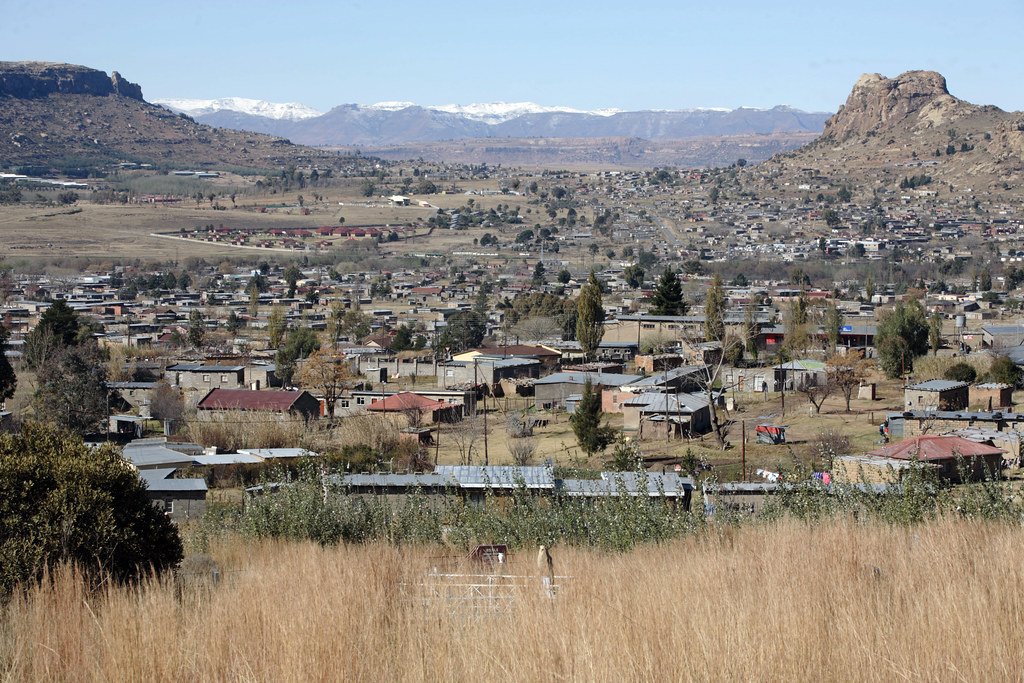
Transitioning to a new country (such as moving to Lesotho) is a significant event. With its surrounding borders with South Africa, transitioning to Lesotho may require some serious and careful logistical planning.
One of your biggest challenges will be finding reliable health insurance.
There are two types of medical care available in Lesotho. Local care can provide you with routine medical services such as primary and emergency care; however, specialized and advanced medical care is located in South Africa.
As either a single student entering for a semester at a university or a family relocating to Lesotho for multiple years, accessing these facilities could become overwhelming.
In this article we have developed a logical and sequential approach to help you determine which health insurance options best meet your needs. We have excluded the generic “industry speak” or technical terms used when discussing health insurance and instead provided you with practical, data-driven information. At the conclusion of reading this article, you will understand what to look for in a policy, what to ask potential providers and how you can protect your health and financial resources.
The Core Reality of Healthcare in Lesotho
To understand why you need private health insurance, you must first understand the local healthcare system. Lesotho has made commendable strides in public health. However, the country’s geography and economic constraints mean that local resources are limited.
Most primary medical care is centered in the capital city of Maseru. The two main facilities are:
- Queen ‘Mamohato Memorial Hospital: A public-private partnership hospital offering a range of services.
- Maseru Private Hospital: A private facility favored by many expatriates for routine procedures and urgent care.
Despite these options, complex medical needs, advanced diagnostic imaging, and specialized surgeries are routinely referred out of the country.
The South African Connection
For expatriates and international students in Lesotho, South Africa is the true backbone of specialized healthcare. Specifically, the city of Bloemfontein sits just 140 kilometers from Maseru. This is roughly a 90-minute drive, depending on border queues.
[ Maseru, Lesotho ] –( 90-Minute Drive / 140 km )–> [ Bloemfontein, South Africa ]
Primary Care Advanced Specialists
Routine Checks Complex Surgeries
Basic Emergencies Tertiary Hospitals (e.g., Mediclinic)
Bloemfontein is home to world-class medical facilities, such as Mediclinic Bloemfontein. It houses highly trained specialists, advanced trauma units, and comprehensive oncology departments. Because of this, your insurance plan cannot just be “local.” It must bridge the gap between these two nations.
8 Critical Pillars: What to Check Before You Buy
Choosing an insurance plan is not just about finding the lowest premium. It is about understanding the fine print. When evaluating potential policies, focus on these eight pillars.
1. Student Eligibility and Visa Support
If you arrive in Lesotho with a student visa, then health insurance becomes mandatory rather than optional.
In order to obtain a new study permit or to renew a current one from the Lesotho Department of Home Affairs, applicants are required to provide documentation evidencing their access to appropriate medical care.
Also, universities may impose further requirements as part of their compliance regulations. For example, some schools may require evidence that the applicant has registered the plan with a local or South African regulatory body for the purposes of medical schemes, i.e., the Council for Medical Schemes (CMS).
Before selecting a program, confirm whether the company will deliver immediate confirmation of coverage via an official visa support letter or certificate of coverage.
2. Cross-Border and Emergency Evacuation Coverage
This is the most critical feature of any Lesotho policy. If you experience a severe medical crisis, can your insurer move you safely?
Your plan must cover:
- Emergency Road Ambulance: Dedicated private transport from Maseru to Bloemfontein.
- Air Evacuation: Helicopter or fixed-wing transfer for life-threatening conditions.
- Border Crossing Logistics: Insurers with established relationships can fast-track medical transport through international border posts without administrative delays.
3. Balance of Inpatient and Outpatient Benefits
Do not fall into the trap of buying a “hospital-only” plan unless you have significant savings to cover daily medical costs.
- Inpatient Benefits: Covers overnight stays, surgeries, theater fees, and intensive care. This should have high limits or be unlimited.
- Outpatient Benefits: Covers everyday wellness, including general practitioner (GP) visits, prescribed medications, blood tests, and basic radiology.
For students, a plan with modest outpatient benefits is usually sufficient. Families, however, require robust outpatient caps to cover frequent pediatric visits.
4. Comprehensive Family-Specific Benefits
If you are moving with a partner or children, your medical needs multiply. A good family plan must look beyond emergency room visits. Look closely at the sub-limits for:
- Maternity Care: Prenatal consultations, ultrasounds, and delivery costs (both natural and cesarean).
- Pediatric Care and Vaccinations: Early childhood development checks and routine immunizations.
- Chronic Illness Benefits: Coverage for ongoing conditions like asthma, diabetes, or hypertension.
5. Claims Process and Provider Networks
The way an insurance company pays a doctor is very important to know as you sit in a waiting room at some point.
Choose a provider who uses a Direct Billing Network (DBN) both in Maseru and Bloemfontein. The hospital will bill the insurance company for all of your services under this type of billing system. On the other hand, if your provider has a “Pay-and-Claim” Model, you have to personally pay the total cost of all your medical care before submitting receipts and then waiting many weeks for reimbursement from your insurance company.
6. Exclusions, Waiting Periods, and Pre-Existing Conditions
Every insurance policy has boundaries. You must read the exclusions section carefully.
- General Waiting Periods: Many policies impose a standard 3-month waiting period for non-emergency care after you join.
- Pre-Existing Conditions: If you have a pre-existing medical issue, the insurer may exclude it entirely or apply a 12-month waiting period before covering treatments related to it.
- Mental Health Coverage: Check if psychiatric therapy, counseling, or stress-related care is covered. This is highly valuable for international students adjusting to a new environment.
7. Direct Settlement vs. Out-of-Pocket Reimbursements
In an emergency, you would like to avoid paying for treatment at all; some South African private hospitals require a “deposit”, in advance, before admitting foreign patients and/or they require confirmation by way of a written Guarantee of Payment (GOP) from a reputable insurance company. Before traveling abroad make sure your health insurance provider has a 24 hour emergency service which is able to produce a valid GOP on behalf of the hospital as soon as possible after you are admitted.
8. Premium Versus Value (The Cost Calibration)
Value does NOT mean Price. A “cheap” Premium often conceals low Annual Benefit Caps, High Deductible’s, and Zero Cross-Border Coverage.
A Single Student may find a Leaner Emergency Focused Plan with Essential Outpatient Benefits to be the Best Choice. A Family will generally be better off paying a Higher Monthly Premium for a Comprehensive Plan which Covers Routine Pediatric Care, Dental, and Optical Needs than they would by choosing an Inexpensive Premium.
Single Student Focus: Practical Strategy
As a single international student, your financial resources are likely structured around a strict budget. Your medical needs are generally focused on prevention, occasional illnesses, and emergency protection.
Your strategy should target a plan that satisfies three main criteria:
- Visa Compliance: Meets all legal and university registration requirements.
- Emergency Security: Guarantees you can be transported to Bloemfontein if you face a major injury or illness.
- Low Administrative Burden: Offers a digital app to submit claims for everyday prescriptions or GP visits quickly.
A local broker, such as Thaba Bosiu Risk Solutions in Lesotho, can help you compare South African medical schemes (which often cover students in Lesotho) against international student policies. This ensures you do not pay for maternal or chronic care benefits that you do not need.
Family Focus: Practical Strategy
For a family unit, health insurance is an investment in stability. Children catch common colds, require dental checkups, and occasionally need urgent care in the middle of the night.
When configuring a family plan, prioritize these areas:
- Pooling Benefits: Look for plans that offer a “family savings account” or flexible day-to-day spending pools. This allows you to allocate funds where they are needed most—whether that is a pair of glasses for your eldest child or dental work for your partner.
- Maternity Safeguards: If you plan to expand your family while living in Lesotho, secure a plan with excellent maternity benefits early. Most insurers impose a 10-to-12-month waiting period on maternity claims, meaning you must be insured before conception.
- Chronic Medicine Formularies: Ensure that the specific medications your family members take are listed on the insurer’s approved list (known as a formulary). This ensures your monthly out-of-pocket prescription costs remain low.
Actionable Questions to Ask a Broker or Insurer
Before you sign any contract, send these exact questions to your insurance agent or broker. Do not accept vague answers. Ask for written confirmation.
- “Does this policy cover direct billing and admission at Mediclinic Bloemfontein in South Africa?”
- “What is the exact process for initiating an emergency medical evacuation from Maseru to South Africa?”
- “Will this policy certificate be accepted by the Lesotho immigration authorities for my study permit application?”
- “Are there any waiting periods for pre-existing conditions, dental care, or maternity benefits?”
- “Does the policy require me to pay a deductible (co-payment) for GP visits or hospital admissions?”
- “Is there a 24/7 emergency contact number, and is it toll-free from Lesotho?”
Strategic Comparison: International Student vs. Expat Family
To help you visualize the different requirements, this table compares the typical needs of a single student with those of a family residing in Lesotho.
| Feature / Requirement | Single International Student | Expat Family |
| Primary Goal | Visa compliance & affordable emergency safety net. | Broad preventative care, pediatric access, & high limits. |
| Key Healthcare Location | Local Maseru clinics for GP; SA for rare emergencies. | Regular specialist visits in Bloemfontein (SA). |
| Outpatient Needs | Minimal (GP visits, flu meds, basic dental). | High (vaccinations, pediatric checkups, optical care). |
| Maternity & Neonatal | Rarely required. | High priority (prenatal checks, birth, neonatal ICU). |
| Emergency Evacuation | Must-have (basic air/road coverage). | Must-have (comprehensive family transportation). |
| Budget Profile | Low, fixed monthly premium. | Moderate to high premium; focus on low out-of-pocket costs. |
| Recommended Plan Type | Essential Student Medical Aid / Basic Expat Plan. | Comprehensive International Health Cover / High-tier regional medical aid. |
The Decision Matrix: Step-by-Step Selection
Use this step-by-step checklist to guide your final purchase. This ensures you do not overlook crucial operational details.
[ Step 1: Confirm Visa Rules ]
|
v
[ Step 2: Establish Your Budget ]
|
v
[ Step 3: Map Out-of-Network Risks ] —> (Are Bloemfontein hospitals covered?)
|
v
[ Step 4: Compare Waiting Periods ]
|
v
[ Step 5: Check Billing Model ] ———> (Is direct billing available?)
|
v
[ Step 6: Purchase & Secure Certificate ]
Step 1: Verify Visa and University Compliance
Contact your university’s international office or your employer’s HR department. Ask for their list of approved medical aid schemes. Do not buy a plan outside this list without explicit approval.
Step 2: Analyze Your Medical History
List all medications, ongoing treatments, and potential medical needs for the coming year. If anyone on the plan requires specialist care, immediately check if those specialists in Bloemfontein are in-network.
Step 3: Evaluate the Emergency Evacuation Clause
Read the exact wording of the evacuation clause. Ensure it covers “repatriation to country of origin” or “evacuation to the nearest center of medical excellence” (which will be South Africa).
Step 4: Compare At Least Three Quotes
Use a licensed, independent broker who understands both the South African and Lesotho healthcare landscapes. Compare the total cost, which includes the premium, deductibles, and potential out-of-pocket expenses.
Step 5: Confirm the Document Pack
Once you choose a provider, ensure they send you:
- Your digital membership card.
- Your visa support letter (confirming cross-border coverage).
- The emergency contact sheet (with numbers that work internationally).
- The policy booklet detailing the claims procedure.
Securing Your Peace of Mind
There is no reason to worry about the healthcare options available to you in Lesotho. Although the local healthcare systems may be somewhat limited, with South African medical services being so close by, there is an exceptional backup system. To get access to that backup system, a well-designed and very reactive private health insurance program will be needed.
For students alone, it would be best to focus on finding affordable coverage, making sure your coverage complies with your needs, and protecting yourself from unexpected medical emergencies. For families, the best course of action would be to first find a plan that provides extensive daily medical support (or as many other types of coverage as possible), has good pediatric coverage, and has a simple direct billing network.
Don’t wait until you need a serious medical treatment to see if your insurance will cover all the costs associated with treating you. As soon as you purchase your insurance take some time to review the details of your policy, do your research to make sure you have asked all the important questions, and get the protection that comes with having quality health coverage. If you have quality health coverage while studying or working in the beautiful mountains of Lesotho, then you will have the freedom to enjoy every moment of your educational experience.
References:
- Lesotho NewsDesk. (2024, August 13). Lesotho medical aid schemes you should know about. https://lesotho.co.ls/2024/08/lesotho-medical-aid-schemes-you-should-know-about/
- Pacific Prime. (2024, December 31). Lesotho health insurance for expats. https://www.pacificprime.com/country/africa/lesotho-health-insurance/
- Student Insurance Portal. (n.d.). About ICD Academy for Cultural Diplomacy – Student Insurance Portal. https://studentinsuranceportal.com/from/lesotho/to-university/icd-academy-for-cultural-diplomacy
- Thaba Bosiu Risk Solutions. (2024, November 13). Medical aid. https://www.thaba-bosiu.co.ls/medical-aid/
- U.K. Foreign, Commonwealth & Development Office. (2023, May 11). Living in Lesotho. GOV.UK. https://www.gov.uk/guidance/living-in-lesotho