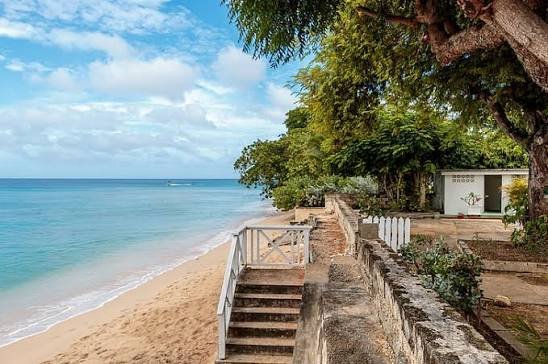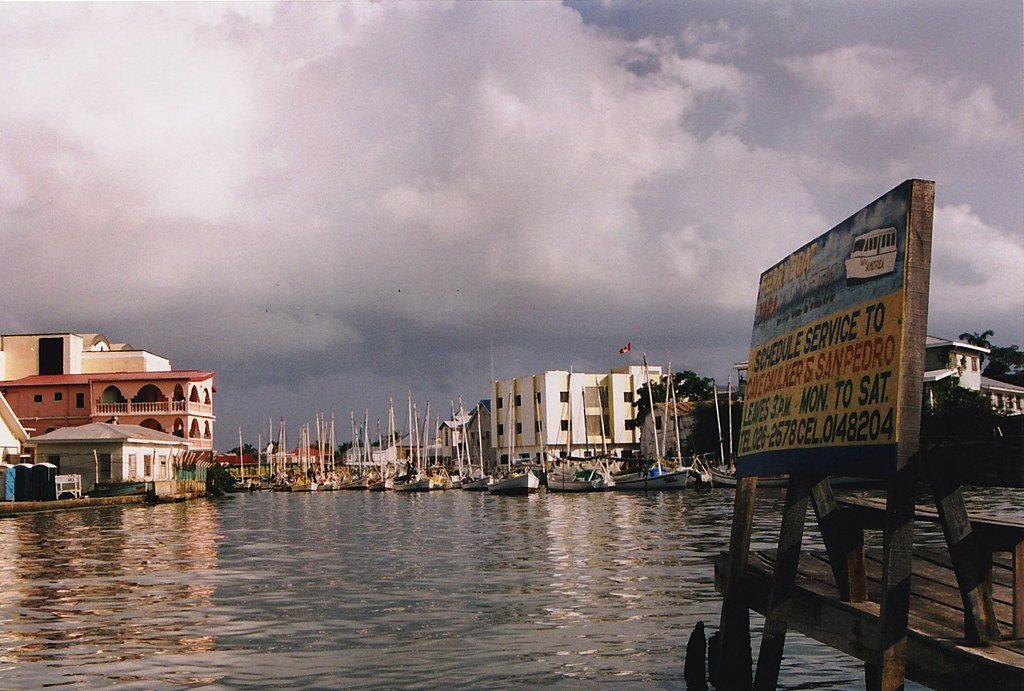
Moving to Belize presents a unique opportunity to experience a different way of life. The crystal blue waters of Ambergris Caye, the lush rainforests of the Cayo District, along with numerous well-established educational institutions such as the University of Belize, Galen University and Central America Health Sciences University draw many thousand international students, scholars and families to this beautiful island nation each year.
However, living outside one’s home country also increases your risk of experiencing health issues and financial loss. Medical costs in Belize may be less expensive than those found in the U.S. or Canada but there is still a limitation on available medical resources. Outside of larger cities such as San Ignacio and Belize City there is little availability of private care facilities, very few specialized trauma treatment facilities exist, and even emergency airlifts to international hospitals can run into tens of thousands of dollars for individuals who do not have adequate insurance.
1. Understanding Belize’s Healthcare Infrastructure
To choose a suitable policy, you must first understand how medical care operates across Belize. The country runs a dual publicprivate healthcare system, but capacity varies significantly by region.
BELIZE HEALTHCARE LANDSCAPE
PUBLIC SECTOR PRIVATE SECTOR
* Universal access for citizens * Outofpocket / Direct Insurance
* Main Hub: Karl Heusner Memorial * Key Facilities: Belize Healthcare
Hospital (KHMH) in Belize City Partners, Belize Medical Assoc.
* Best for: Baseline care, basic trauma * Best for: Diagnostics, faster
* Challenges: Capacity, wait times, specialist access, comfortable
limited advanced medical technology private rooms ($200$300/day)
REGIONAL MEDICAL EVACUATION HUBS (FOR CRITICAL CARE)
* Miami / Fort Lauderdale, USA Mérida / Cancún, Mexico Guatemala City
The Public System
Public clinics and regional hospitals provide foundational care across Belize’s six districts. The flagship public institution is the Karl Heusner Memorial Hospital (KHMH) in Belize City. While KHMH handles emergency medicine and general surgeries, public facilities frequently experience equipment shortages, longer wait times, and high patient volume.
The Private System
Most international students and expatriate families rely on private medical facilities. Prominent private institutions include Belize Healthcare Partners Limited (BHPL) and Belize Medical Associates (BMA) in Belize City, along with satellite private clinics in locations like San Pedro (Ambergris Caye) and Belmopan.
- Routine Visits: A general consultation at a private clinic typically costs between $20 USD and $50 USD.
- Hospital Stays: Private hospital rooms average under $300 USD per day, excluding specialist fees and medications.
- Elective Surgeries: Common procedures, such as a hernia repair or cataract surgery, often cost under $2,500 USD.
Because routine care prices are modest, brief doctor visits rarely create financial hardship. Severe illness, chronic condition management, or catastrophic trauma present the true financial hazards.
The Evacuation Imperative
A tertiary level of care is unavailable in Belize that provides specializations such as: Complex Neurosurgeries Advanced Oncologies Pediatric Intensive Care Units (PICUs) As a result, when a life threatening incident occurs the first steps include stabilization at the local site with subsequent emergency airlift to a tertiary facility located in either Miami (USA), Mérida (Mexico), or Guatemala City. An air ambulance service without additional evacuation support will typically range from approximately $20,000 U.S.D. to $50,000 U.S.D.
2. Ten Vital Checkpoints for Evaluating Insurance Policies
When comparing health plans from global carriers, scrutinize the policy terms behind the marketing brochure. Here are the ten vital factors to verify before enrolling.
10POINT POLICY EVALUATION CHECKLIST
1. Student Eligibility Status 6. Direct Billing Agreements
2. Regional & U.S. Coverage 7. PreExisting Condition Terms
3. Medical Evacuation / Return 8. Claim Turnaround & Digital Portals
4. Inpatient vs. Outpatient Split 9. SubLimits & Deductible Structures
5. Family & Dependent Riders 10. University & Visa Compliance
1. Student Eligibility Status
Never assume that either standard travel policies or generic expat plans will apply to an international student. Many insurers prohibit extended stays (long term residence) on standard tourist policies; however some carriers offer specific “student” tiers at lower rates for younger students. Check to see that your selected policy clearly defines that it will cover full time educational enrollment in Belize and also does NOT cancel coverage should you elect to participate in Summer Study Programs outside of your home country.
2. Geographic Coverage and Referral Networks
Check where the policy operates. A plan restricted strictly inside the geographic borders of Belize creates a dangerous bottleneck. Look for plans that include:
- Zone 1 (Worldwide including USA): Essential if you want the option to return home to North America for specialized surgery or oncology treatment.
- Zone 2 (Worldwide excluding USA): Often 30% to 40% cheaper, but ensure it explicitly includes neighboring regional care centers in Mexico and Central America.
3. Medical Evacuation and Repatriation
This feature is nonnegotiable in Central America. The policy must cover medically supervised transport via air ambulance from local airstrips or international airports directly to an appropriately equipped trauma facility. Look for wording that covers evacuation to the nearest suitable facility or home country, rather than leaving transport decisions entirely at the insurer’s discretion.
4. Inpatient vs. Outpatient Coverage Dynamics
- Inpatient Care: Covers hospital admissions, ICU stays, surgeries, and inhospital medications. Every valid plan must cover inpatient events at 100% up to the annual limit.
- Outpatient Care: Covers general practitioner visits, specialist consults, blood tests, Xrays, and prescription drugs. Single students on strict budgets sometimes opt for inpatientonly coverage to lower monthly premiums, but families almost always require robust outpatient benefits.
5. Family AddOns and Dependent Terms
If relocating with a spouse or children, confirm how dependents are integrated into the master policy. Key elements include:
- Are routine childhood immunizations covered?
- Does pediatric outpatient care fall under a shared deductible or individual subdeductibles?
- Is maternity care included, and what is the waiting period (typically 10 to 12 months before conception)?
6. Hospital Networks and Direct Billing
Direct Billing is when the Insurance Company Pays the Doctor Clinic directly, so all you are responsible for is your Deductible or Copayment. Ask potential Carriers if they have Direct Settlement Agreements with Private Providers in Belize City such as; Belize Health Care Partners Ltd. Or Belize Medical Associates. Since this type of plan can only Pay & Claim after medical services are provided, you will need access to Liquid Savings to cover those Hospital Bills prior to being reimbursed.
7. PreExisting Conditions and Stability Rules
Be transparent about past medical history during application. Insurers evaluate preexisting conditions through three common methods:
- Full Medical Underwriting: You disclose everything; the insurer explicitly lists what they cover or exclude.
- Moratorium: Preexisting conditions are excluded for a set period (usually 24 consecutive months) until you go without symptoms or medical advice for that condition.
- Permanent Exclusion: The condition and related complications are excluded permanently.
Understand the “stability clause.” Some policies cover preexisting conditions only if they remain fully stable without medication changes for 90 to 180 days prior to travel.
8. Claim Processing and Reimbursement Speed
For students and families living abroad, cash flow matters. Review user feedback regarding reimbursement speeds. Does the provider feature a mobile app for submitting photo receipts of medical bills? Top international carriers process standard outpatient claims within 5 to 10 business days, whereas slower providers can take up to 60 days.
9. Policy Limits, Deductibles, and SubLimits
Pay close attention to overall annual policy limits versus internal sublimits.
- Overall Limit: Look for annual caps of at least $500,000 USD for single students and $1,000,000 USD for families.
- Deductibles: Choosing a $1,000 USD annual deductible lowers your monthly premium significantly. However, make sure you keep that deductible amount liquid in an emergency emergency fund.
- SubLimits: Watch for hidden caps. A plan may boast a $1,000,000 USD limit, but cap mental health care at $1,000 USD or prescription drugs at $500 USD per year.
10. Visa Compliance and University Requirements
Belize immigration rules require longstay visitors and students to demonstrate financial selfsufficiency. Additionally, individual universities—especially medical schools catering to international students—mandate minimum benefit thresholds before granting class registration. Verify your university’s exact health coverage form before finalizing a plan.
3. Comparison: Single International Student vs. Relocating Family
A single 22yearold medical student has completely different healthcare priorities than a family of four with young children. The matrix below outlines how to balance budget constraints with realworld protection.
| Feature | Single International Student Strategy | Relocating Family Strategy |
| Primary Risk Focus | Catastrophic illness, trauma, emergency evacuation. | Routine illnesses, pediatric care, maternity, preventive wellness. |
| Outpatient Need | Moderate. Many pay minor clinic fees ($30 USD) out of pocket. | High. Frequent pediatric visits and prescriptions add up quickly. |
| Deductible Setup | High deductible ($1,000 $2,500 USD) to minimize monthly premiums. | Low to moderate deductible ($250 $500 USD) per family member. |
| Evacuation Limit | $50,000 USD minimum, preferably uncapped transfer benefits. | Uncapped medical evacuation covering parent accompaniment for minor children. |
| Core Value Drivers | Low administrative hassle, low premium, valid student visa documentation. | Direct billing network, broad sublimits, mental health, dental/vision riders. |
The Single Student Approach
Healthier younger students typically will purchase less expensive travel insurance. It’s very common. The standard travel insurance has limited coverage of medical issues, provides minimal medical benefits, and limits coverage of medical services by way of numerous exclusions in regards to sports participation or residence.
policy:
- Select high deductibles to suppress monthly premium costs.
- Maintain comprehensive inpatient protection coupled with unlimited medical evacuation.
- Pay for routine, lowcost Belizean doctor visits out of pocket using local savings, while keeping the insurance for hospitalizations and major diagnostic scans.
The Family Unit Approach
Families cannot easily selfinsure routine medical events. Children fall ill unexpectedly, and local tropical environments introduce routine skin infections, insect bites, and minor viral illnesses.
A family strategy should prioritize:
- Comprehensive Outpatient Riders: Eliminates outofpocket hesitation when a child needs a diagnostic swab or ear exam.
- WellChild and Preventive Benefits: Covers routine vaccinations and developmental checkups.
- Shared Family Deductibles: Caps the total amount a family pays out of pocket per year, regardless of how many family members require treatment.
4. BelizeSpecific Health Risks and Environmental Considerations
Living in a tropical environment presents health considerations that differ from temperate climates. A robust health insurance policy should account for the following regional realities.
BELIZESPECIFIC HEALTH EXPOSURES
VECTORBORNE RISKS ACCIDENT RISKS INFRASTRUCTURE GAPS
* Dengue Fever * Water sports/diving * Limited night flights
* Zika / Chikungunya * Rural road conditions * Few specialized ICUs
* Malaria (Rural south) * Remote jungle excursions * Blood bank constraints
VectorBorne Illnesses
Belize experiences seasonal spikes in mosquitoborne illnesses, including Dengue fever, Zika, and Chikungunya. While mild cases clear up with rest, severe Dengue (Dengue Hemorrhagic Fever) requires immediate hospitalization, continuous intravenous fluids, and blood platelet monitoring. Ensure your plan covers inpatient hospitalization for tropical infectious diseases without specialty exclusions.
Water Sports and Adventure Excursions
Students and families often use their weekends for scuba diving on the barrier reef, cave tubing in Cayo, or simply hiking along remote trails. Health insurance standards may include exclusions for “hazardous activities.” Make sure that your health insurance includes coverage of recreational activities such as; open water scuba diving at depths up to 100 feet and off-road vehicle riding. Or purchase an additional rider for adventure sports. Treatment with a hyperbaric chamber in San Pedro after a diving accident could be very costly if there is no insurance coverage.
Blood Availability and Critical Supplies
In rural Belize, local blood banks maintain limited inventories. Major emergency procedures often require specialized medical supplies shipped in or rapid transport to Belize City. Your insurance carrier’s medical assistance team should offer 24/7 emergency dispatch support to help coordinate transport, blood transfers, and emergency logistical support.
5. Practical Actionable Checklist: 7 Questions for Insurance Brokers
Before making your first premium payment, send this exact list of questions to your insurance provider or broker. Keep their written responses on file for your records.
7 QUESTIONS TO ASK BEFORE PURCHASING
1. Is this policy formally classified as longterm health insurance, rather than
a shortterm travel policy, for my stay in Belize?
2. Does the medical evacuation clause cover air ambulance transport directly to
the United States, Mexico, or my home country if local care is inadequate?
3. Which specific medical facilities in Belize City and Belmopan hold direct
billing agreements with your network?
4. Are vectorborne conditions (such as Dengue) fully covered under standard
inpatient and outpatient limits?
5. What is the exact turnaround time in business days for processing and paying
outpatient reimbursement claims submitted via your digital portal?
6. Does this plan fulfill all health insurance requirements for a Belizean
student visa and local university enrollment?
7. How does the policy handle preexisting condition stability if I experience
a flareup while living abroad?
6. Pro Tips:
Securing reliable health insurance in Belize is not about buying the most expensive policy available. It is about matching your policy structure to local healthcare realities.
- For the Single Student: Prioritize broad inpatient protection, uncapped air evacuation coverage, and a deductible that keeps premiums affordable while protecting your longterm finances.
- For the Relocating Family: Invest in strong outpatient care, broad directbilling access, pediatric wellness riders, and clear preexisting condition terms.
By reviewing policy details up front, confirming evacuation protocols, and keeping direct line contacts for emergency assistance saved on your phone, you can focus on enjoying your academic and family journey in Belize with confidence.
References
- Belize Healthcare System & Medical Insurance Options for Expats. (2026, May 22). [Webpage]. Retrieved July 31, 2026, from [search result 5]
- Belize Health Insurance for Expats. (2025, January 1). [Webpage]. Retrieved July 31, 2026, from [search result 1]
- Belize Healthcare in Belize for Expats 2026: Insurance, Costs & Hospitals. (2026, March 23). [Webpage]. Retrieved July 31, 2026, from [search result 11]
- Belize Health Care Partners. (n.d.). International patients in Belize. Retrieved July 31, 2026, from [search result 7]
- Expatriate Group. (2025, December 22). Health insurance Belize | Belize healthcare. Retrieved July 31, 2026, from [search result 13]
- APRIL International. (2026, July 1). International health insurance. Retrieved July 31, 2026, from [search result 2]
- Bupa Global. (2026, January 29). BUPA Global health insurance in Belize. Retrieved July 31, 2026, from [search result 3]