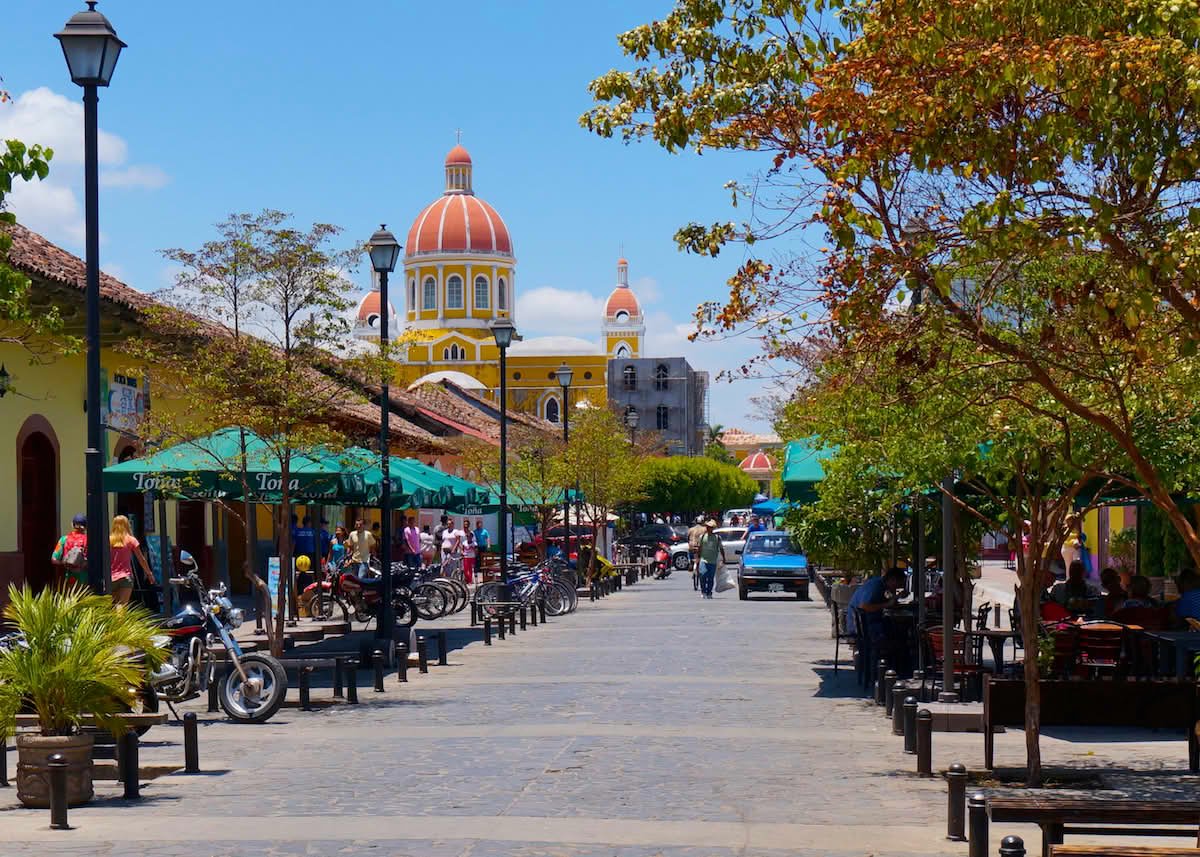
Studying abroad can be a pivotal experience that offers a wealth of cultural, linguistic and academic experiences. Yet, studying abroad is fraught with logistical challenges. Most notably, the challenge of protecting your body and mind while abroad. In preparation for your study in Nicaragua, purchasing the appropriate health insurance prior to leaving is likely to be the most important decision you have made so far.
Nicaragua’s healthcare system has vast differences regionally. Many modern, well-stocked private hospitals exist within Nicaragua’s capital city of Managua. Outside of the capital—historic university towns such as Leon and Granada; the nation’s rural agricultural areas; and coastal towns—the nation’s medical facilities are vastly less developed. The clinics located in the regional centers usually do not contain advanced diagnostic equipment, trauma treatment units, or doctors who speak English.
Given that the availability of medical services and how they will pay for those services is largely dependent upon both where you reside and where you attend school, there are several factors to consider when evaluating whether to purchase a local Nicaraguan policy versus an international student policy. To assist in this evaluation process, this guide will provide a step-by-step plan to meet the requirements established by immigration laws, to protect yourself from financial loss while attending classes.
Step 1: Confirm School and Visa Mandates
Do not purchase a plan based on casual advice from outdated travel blogs or online forums. Immigration rules and enrollment requirements of universities change frequently. What worked two years ago will no longer meet the current requirements.
Contact both your university’s international student office and the nearest Nicaraguan consulate/immigration authority in nica (director general de migración y extranjería) before comparing details between plans. Ask them to provide you with their written health insurance requirements.
Specifically, you must confirm:
- Minimum Coverage Limits: Does the regulatory authority or school mandate a minimum total benefit cap per incident or per academic year (for example, $50,000 or $100,000 USD)?
- Mandatory Emergency Evacuation: Is medical evacuation and repatriation explicit coverage mandatory for visa approval?
- Policy Validity Dates: Must your coverage begin on the day you step onto the airplane, or can it start on your formal university orientation date? Does it need to cover scheduled academic breaks between semesters?
- Language Requirements: Do immigration officials require a official insurance certificate translated into Spanish?
- Dependant Policies: If you are traveling with family members, must each dependant hold an individual policy, or can they be listed under a unified family plan?
- Underwriter Authorization: Does the policy need to be underwritten by an insurer formally authorized by Nicaraguan regulators, or are recognized international policies accepted?
Failing to verify these parameters early can result in rejected visa applications, delayed university registration, or unexpected out-of-pocket expenses to buy a second, compliant policy at the border.
Step 2: Compare Local vs. International Health Coverage
When selecting protection, international students generally choose among three primary structures: a local Nicaraguan health plan, an international student or expatriate policy, or a short-term travel medical plan. Each option serves a distinct purpose, carries specific drawbacks, and operates under different financial rules.
Detailed Comparison of Insurance Options
| Feature / Criteria | Local Nicaraguan Private Policy | International Student / Expat Policy | Travel Medical Policy |
| Primary Target Audience | Nicaraguan residents and local employees | Long-term international students and expatriates | Short-term tourists and vacationers |
| Geographic Coverage | Limited primarily to Nicaragua | Global or multi-country (including home country during breaks) | Global, but strictly outside your country of permanent residence |
| Direct Billing Access | Excellent at selected private hospitals in Managua | Strong through global partner networks; varies locally | Rare; usually requires paying upfront and filing claims later |
| Medical Evacuation | Extremely limited or unavailable outside national borders | Robust international evacuation and repatriation benefits | Basic emergency evacuation to the nearest regional facility |
| Routine & Preventive Care | Included in standard plans (wellness checks, local prescriptions) | Included in comprehensive plans; excluded in basic plans | Excluded; covers unexpected accidents and acute illnesses only |
| Pre-Existing Conditions | Subject to strict underwriting and local waiting periods | Often covered after a waiting period or via specialized riders | Universally excluded |
| Relative Cost | Moderate; priced for local or regional economic markets | Higher premium; reflects broader international risk pools | Lowest initial cost; very restrictive long-term value |
Verifying Local Insurers
If you decide to purchase a local Nicaraguan policy, ensure the issuing institution is fully licensed and solvent. Insurance in Nicaragua is regulated by the Superintendencia de Bancos y de Otras Instituciones Financieras (SIBOIF).
The regulator’s supervised institutions list includes established local and regional providers such as:
- ASSA Compañía de Seguros
- Seguros América
- INISER (Instituto Nicaragüense de Seguros y Reaseguros)
- MAPFRE Nicaragua
- Seguros Lafise
Always cross-reference your prospective local insurer against the active SIBOIF directory before transferring premiums. Working with an authorized firm guarantees that your policy operates within national legal protections and financial solvency standards.
Step 3: Inspect the Medical Network and Payment Mechanics
Your ability to utilize a policy in reality will be limited by its applicability to your needs. Claims such as “our company has a worldwide network” may be meaningless if you are simply waiting in a hospital’s emergency department. Ask for specifics on how they operate in Nicaragua and do not accept a verbal guarantee of coverage from the insurance provider. Instead, request their current live directory of providers in Nicaragua. Determine where their network physicians and hospitals are in relation to your home or work location.
Key Geographic Reality:
Private Hospitals in Managua —> Comprehensive medical care, advanced surgery, direct billing.
Regional Cities (León, Granada) —> Good general care; limited complex surgery or direct billing.
Rural/Coastal Regions —> Basic clinics; payment required upfront; emergency transport needed.
Critical Network Questions
- Campus Proximity: Are there approved clinics or doctors within short walking or driving distance of your university campus and apartment?
- Managua Private Hospital Access: Does the network include top-tier private facilities in Managua—such as Hospital Vivien Pellas—where advanced surgical and specialized medical services are centered?
- Emergency and Ambulance Care: Does the plan directly cover public and private ambulance providers during an emergency?
- Language Support: Does the insurer maintain a 24/7 hotline with bilingual assistance staff who can translate medical terms and coordinate care in Spanish and English?
- Specialist Access: Can you schedule an appointment with a specialist directly, or must you secure a referral from a primary care doctor first?
Direct Billing vs. Upfront Cash Requirements
Payment expectations are all over the board for Nicaraguan healthcare. The larger private hospitals in Managua typically have a well-established direct billing system. However many of the smaller regional medical centers as well as some of the individual specialists may expect to receive an advance on the cost of services.
Some doctors will take cash for their services; however they prefer to use either US currency or Nicaraguan Córdoba. Some doctors will take your credit card but there is usually a high fee associated with using a local credit card. At times the internet connection from one location to another can become lost resulting in failure to complete the transaction.
You need to know exactly what steps your health care provider takes to obtain a letter that guarantees you will get paid when you go into the hospital. Also you want to know how quickly you will be reimbursed by your insurance carrier should you ever have to pay cash at a doctor’s office or pharmacy prior to receiving reimbursement.
Step 4: Prioritize Medical Evacuation and Repatriation
For all foreign students studying abroad in Nicaragua it is imperative that there be Emergency Medical Evacuation Insurance.
If an international student sustains a serious head trauma from surfing the Pacific Ocean, contracts a complex tropical disease from being in a rural area, or suffers a complicated bone breakage along the Caribbean Sea, the local hospitals can treat them until stabilized; however, local hospitals do not have the capability to provide extended critical care. The student would then require immediate transportation to a higher level of care.
The standard insurance provided for international students covers local hospital stays. However, this type of plan does not cover the $1,000’s needed to evacuate by air ambulance, hire medical escort services for their patient, or transport them out of their country if they become critically ill while overseas.
Evacuation Route Hierarchy:
• Remote Field/Campus –> Regional Hospital (Stable) –> Private Hospital in Managua –> International Care Center (Costa Rica/USA)
Essential Evacuation Benefits to Verify in Writing
- Ground Ambulance Transport: Unlimited or high-cap coverage for ground transport from remote areas to the nearest major city.
- Domestic Air Evacuation: Coverage for domestic air transfer from locations like Bluefields, Puerto Cabezas, or the Corn Islands directly to Managua.
- International Air Evacuation: Transport from Managua to advanced medical hubs in Costa Rica, Colombia, or the United States if local facilities cannot treat your condition.
- Bedside Visitor Allowance: Financial support for a parent or family member to fly to your bedside during a life-threatening hospitalization.
- Medical Repatriation: Coverage to transport you back to your home country to continue long-term recovery among family.
- Repatriation of Remains: Full logistical and financial coverage in the tragic event of fatal illness or accident.
- Disaster Evacuation: Supplementary coverage for evacuation triggered by severe natural disasters or acute political unrest.
Pay close attention to who holds the authority to order an evacuation. Most policies stipulate that the insurer’s appointed medical director—not your personal doctor—must approve the decision. Understand these authorization procedures thoroughly before an emergency occurs.
Step 5: Uncover Exclusions, Waiting Periods, and Fine Print
Low premiums often mask severe coverage gaps. Reading the full policy booklet—especially the exclusions section—is the only way to avoid catastrophic financial surprises later.
Common Policy Exclusions to Watch For
- Pre-Existing Conditions: Definitions vary sharply across insurers. Some define a pre-existing condition as any symptom you experienced in the past two years, even if you never received a formal diagnosis. Look for clear terms regarding chronic asthma, allergies, or prior injuries.
- Mental Health and Counseling: University life carries emotional pressures. Many basic policies exclude outpatient psychotherapy, psychiatric consultations, or emergency mental health crisis care entirely.
- High-Risk Activities and Sports: Nicaragua is famous for adventure travel. Standard student policies frequently exclude injuries sustained while surfing, volcano boarding, scuba diving, riding a moped or motorcycle, or hiking in remote reserves. If you plan to participate in these activities, purchase a sports rider.
- Preventive Care and Vaccines: Routine wellness visits, dental cleanings, vision checks, and routine travel vaccines are usually excluded from budget plans.
- Pregnancy and Maternity Care: If you or your partner become pregnant during your studies, standard plans often enforce a 10-to-12-month waiting period before paying any prenatal or delivery claims.
- Alcohol or Substance Exposure: Claims resulting from incidents where alcohol or unprescribed drugs were a factor are routinely denied by global underwriters.
Single Students vs. Student Families: Key Coverage Priorities
Your personal household structure determines which policy features matter most. Single students and students traveling with dependants balance completely different financial and medical risks.
Priority Checklist for Single Students
- Outpatient and Prescription Coverage: Frequent minor illnesses (such as stomach infections, respiratory bugs, or minor cuts) require affordable doctor visits and quick pharmacy reimbursement.
- 24/7 Telehealth Access: Virtual consultations with doctors who speak your native language can resolve minor health queries without traveling to a clinic.
- Flexible Duration & Extensions: The ability to extend your policy online seamlessly if your research project or study duration runs long.
- Travel Outside Nicaragua: Coverage that protects you during holiday trips to neighboring countries like Costa Rica, Panama, or Guatemala.
- Low Deductibles: A manageable per-incident deductible so that seeking medical care does not strain your modest student budget.
Priority Checklist for Student Families
If you are moving to Nicaragua with a spouse, partner, or children, evaluating plans on an individual basis gets expensive fast. Look for comprehensive family arrangements.
- Dependant Eligibility Rules: Confirm how the insurer defines dependants, including age limits for children and study requirements for spouses.
- Family Deductible Structure: Choose policies featuring a shared family deductible rather than separate, high deductibles for every family member.
- Paediatric and Preventive Care: Ensure the policy covers routine child vaccinations, pediatric check-ups, and sudden childhood illnesses.
- Maternity and Newborn Care: Verify whether newborn medical care is automatically covered from the exact minute of birth, especially if delivery complications arise.
- Family Evacuation Clauses: Confirm that if the primary student is evacuated for medical reasons, the policy pays to transport the entire family unit alongside them.
12 Critical Questions to Ask Providers Before Paying Your Premium
Never purchase an insurance plan without getting written answers to these twelve operational questions:
Provider Inquiry Checklist:
1. Licensing: Is your company legally licensed to underwrite or distribute policies in Nicaragua?
2. Direct Billing: Which specific hospitals in Managua, León, and Granada accept direct billing from your network?
3. Upfront Costs: What percentage of outpatient claims require me to pay cash upfront and file for reimbursement later?
4. Coverage Caps: What is the exact maximum benefit limit per year, and is there an individual cap per illness?
5. Deductible Rules: Does the deductible apply once per policy year, or must I pay it again for every new medical issue?
6. Payment Currency: Are claims paid out in US dollars, Nicaraguan córdobas, or my home country’s currency?
7. Evacuation Limits: What is the total monetary cap for emergency air evacuation, and who makes the final transport call?
8. Outpatient Care: Are routine prescription drugs, diagnostic blood tests, and X-rays covered at 100% after the deductible?
9. Mental Health: Does the policy cover outpatient sessions with a licensed psychologist or counselor?
10. Sports Riders: Are injuries from moped rentals, surfing, or organized university sports covered under this plan?
11. Renewals: Can I renew or extend my coverage online without facing new pre-existing condition exclusions?
12. Visa Support: Will you provide a official certificate of insurance in Spanish to submit to the Nicaraguan consulate?
Framework and Action Plan
Choosing insurance for your studies in Nicaragua comes down to balance. The ideal policy is rarely the cheapest option on the market. Instead, it is the one that gives you friction-free access to private medical facilities, transparent payment rules, strong mental health support, and robust evacuation coverage.
Follow this quick timeline before departing for Nicaragua:
- 60 Days Before Departure: Collect official insurance requirements from your university and the Nicaraguan consulate.
- 45 Days Before Departure: Request policy quotes from both international student providers and SIBOIF-regulated local Nicaraguan insurers.
- 30 Days Before Departure: Compare provider directories against your campus location. Submit the 12 critical questions to your top two choices.
- 15 Days Before Departure: Purchase your policy. Secure your official Spanish insurance certificate for visa processing.
- 1 Week Before Departure: Save local emergency contact numbers, direct billing procedures, and the 24/7 hotline into your phone. Print physical copies of your insurance card to keep in your wallet and student backpack.
Taking these proactive steps ensures that health emergencies won’t derail your academic goals, allowing you to focus completely on your studies and your experience in Nicaragua.
Reference:
- Foreign, Commonwealth & Development Office. (n.d.-a). Health—Nicaragua travel advice. Retrieved August 9, 2026, from https://www.gov.uk/foreign-travel-advice/nicaragua/health
- Foreign, Commonwealth & Development Office. (n.d.-b). Living in Nicaragua. Retrieved August 9, 2026, from https://www.gov.uk/guidance/living-in-nicaragua
- Superintendencia de Bancos y de Otras Instituciones Financieras. (n.d.). Instituciones supervisadas: Seguros. Retrieved August 9, 2026, from https://www.superintendencia.gob.ni/supervision/intendencia-seguros/instituciones
- U.S. Department of State. (2025, August 11). Travel insurance. https://travel.state.gov/en/international-travel/planning/guidance/insurance.html
- U.S. Department of State. (2026, May 14). Nicaragua travel advisory. https://travel.state.gov/en/international-travel/travel-advisories/nicaragua.html