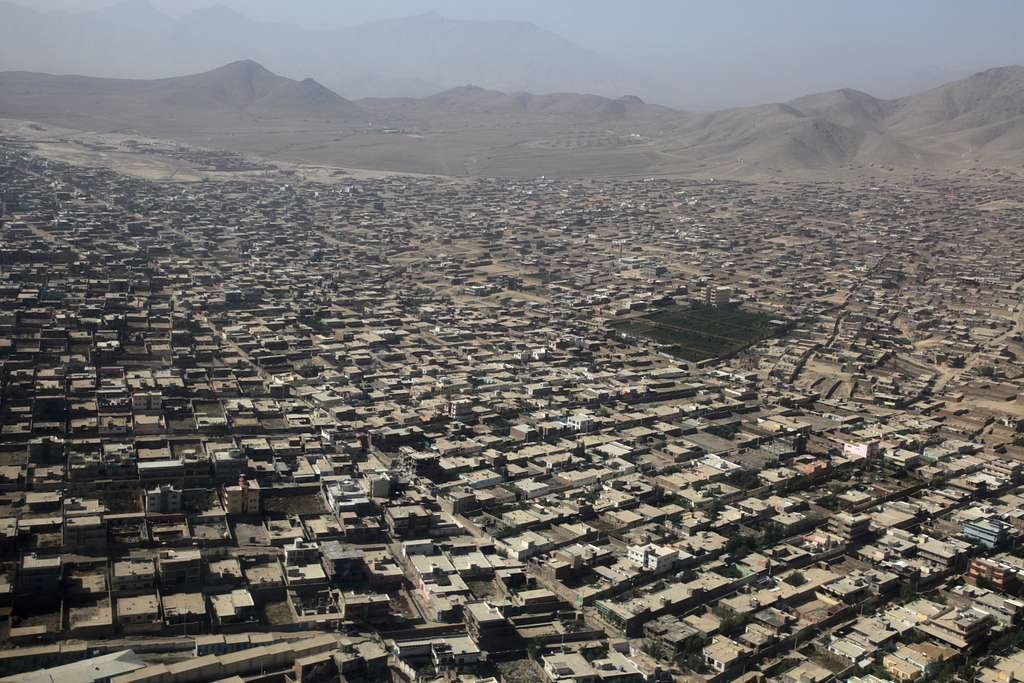
Planning a research or academic trip to Afghanistan is a total mental reset on how you will think about your own personal safety and medical needs. Most students traveling abroad for study choose their health insurance by determining which has better deductibles, covers prescriptions, etc. vs. what they would have to pay out-of-pocket for each office visit. The way you plan your travel to Afghanistan is based on a completely different mindset than how you typically plan travel to other countries for study. Almost all standard international student insurance plans do not cover travel to Afghanistan. In fact, many government agencies list Afghanistan at a Level 4 “Do Not Travel” advisory. The extreme instability created by active conflict, severe sanctions and lack of adequate infrastructure cause the failure of the traditional insurance model. If you are an independent researcher, sponsored through your University (as a fellow) or traveling with family members, it’s not just about getting affordable routine care. It’s about creating a viable support system (safety net) while you’re in-country and being able to get evacuated in case of a serious medical emergency or a severe security situation.
1. Why Standard Policies Exclude Afghanistan
Most mainstream insurance policies contain standard exclusion clauses that immediately void coverage when an insured individual travels to a country facing explicit government travel warnings. If the United States Department of State, the UK Foreign, Commonwealth & Development Office (FCDO), or the Australian Department of Foreign Affairs and Trade (DFAT) issues a “Do Not Travel” advisory, standard commercial policies generally cease to operate.
┌────────────────────────────────────────────────────────┐
│ GOVERNMENT ADVISORY LEVEL │
│ Level 4: Do Not Travel Issued │
└───────────────────────────┬────────────────────────────┘
│
▼
┌────────────────────────────────────────────────────────┐
│ STANDARD INSURANCE EXCLUSION │
│ Triggers Exclusion Clauses for War, Terrorism, & │
│ Active Conflict Regions │
└───────────────────────────┬────────────────────────────┘
│
▼
┌────────────────────────────────────────────────────────┐
│ UNINSURED EXPOSURE │
│ Medical Claims, Security Extraction, & Repatriation │
│ Are Voided Out of Hand │
└────────────────────────────────────────────────────────┘
The underlying reasons for these strict exclusions stem directly from the reality on the ground:
- Absence of Consular Support: Foreign embassies in Kabul remain largely closed or operates with minimal staff remotely from third countries. If you face legal trouble, civil unrest, or severe injury, your home government cannot dispatch consular officers to assist you.
- Decimated Healthcare Infrastructure: Decades of instability and recent reductions in international aid have severely weakened local healthcare delivery. Hundreds of clinics have shuttered due to persistent funding shortages. Essential drugs, blood supplies, advanced diagnostic machinery, and specialized surgical care are extremely scarce outside a few private clinics in Kabul.
- Security Hazards: Persistent threats, including regional border friction, targeted attacks, and political volatility, create an unpredictable environment. Insurers view the statistical probability of needing costly security extractions or medevac flights as too high to underwrite within a standard plan.
2. Comparing Standard Insurance and Hostile Environment Insurance
Standard international plans focus on preventive medicine, routine hospital stays, and outpatient services. Hostile environment policies, by contrast, focus on emergency stabilization, crisis management, political extraction, and long-distance aeromedical transport.
| Feature / Dimension | Standard Student & Expat Insurance | Specialized Hostile Environment Insurance |
| Geographic Scope | Covers standard study-abroad locations; excludes active war or Level 4 warning zones. | Explicitly lists high-risk and conflict nations, including Afghanistan. |
| War & Terrorism Risk | Excluded completely. Claims arising from military action or terrorism are denied. | Included. Covers injuries or emergencies directly caused by acts of war or civil unrest. |
| Medical Evacuation (Medevac) | Limited to transport to the nearest regional facility for standard emergency care. | Includes specialized air ambulance transport to major medical hubs (e.g., Dubai, Delhi, Islamabad). |
| Security Evacuation | Not offered. | Covers armed or managed crisis extraction during political destabilization or armed conflict. |
| Outpatient Routine Care | Covers routine GP visits, check-ups, and prescription refills. | Very limited or non-existent; primary focus remains on severe emergency care and crisis management. |
| Underwriting Requirements | Simple online application with minimal background evaluation. | Demands institutional endorsement, precise itineraries, risk assessments, and security training. |
| Cost Profile | Inexpensive to moderate annual or monthly fees. | Substantially higher premiums due to extreme underwriting risks. |
3. Core Pillars of Conflict-Zone Coverage
When evaluating high-risk policies, focus on four essential pillars. Ignore marketing fluff regarding minor office visits and scrutinize the policy language governing high-consequence events.
┌───────────────────────────────────┐
│ CRITICAL COVERAGE PILLARS │
└─────────────────┬─────────────────┘
│
┌──────────────────────────┼──────────────────────────┐
│ │ │
▼ ▼ ▼
┌──────────────────┐ ┌──────────────────┐ ┌──────────────────┐
│ Emergency Local │ │ Aeromedical │ │ Crisis Security │
│ Care & Trauma │ │ Evacuation │ │ Extraction │
└──────────────────┘ └──────────────────┘ └──────────────────┘
Emergency Local Care and Stabilization
In Afghanistan, local medical care is largely restricted to emergency stabilization in specific, vetted facilities—primarily located in Kabul—that cater to international personnel and aid workers. Your policy must explicitly cover admission and surgical stabilization at these specific clinics. Confirm that the policy covers trauma care, blood product sourcing, and immediate intensive care support before transfer arrangements are finalized.
Aeromedical Evacuation (Medevac)
If you sustain a critical injury or suffer a severe infection, local facilities cannot provide long-term definitive care. Aeromedical evacuation is mandatory. A dedicated air ambulance flight from Kabul to a medical center in Dubai or Islamabad can easily cost upwards of $50,000 to $100,000 out-of-pocket if uninsured. Ensure your policy covers fixed-wing air ambulance transfers and explicitly names acceptable regional receiving hubs.
Security Evacuation and Crisis Extraction
Medical evacuation covers physiological health emergencies. Security evacuation covers external security threats, such as escalating civil conflict, targeted violence, or active political isolation. Specialist security underwriters retain private risk-management firms that coordinate ground transport, security escorts, and charter flights to move you safely across international borders when conditions deteriorate.
Repatriation of Remains
Although uncomfortable to discuss, comprehensive planning requires this provision. Transporting human remains out of a sanctioned, high-risk nation involves complex logistics, diplomatic clearances, and significant expense. A reliable policy must account for local administrative procedures and international transport requirements.
4. Institutional Support vs. Individual Procurement
Navigating high-risk insurance varies depending on whether you are affiliated with an organization or traveling independently.
┌───────────────────────────┐
│ PROCUREMENT PATHWAY │
└─────────────┬─────────────┘
│
┌─────────────────────┴─────────────────────┐
│ │
▼ ▼
┌──────────────────────────────────────┐ ┌──────────────────────────────────────┐
│ GROUP / INSTITUTIONAL │ │ INDIVIDUAL AD-HOC │
│ │ │ │
│ • Negotiated blanket war-risk cover │ │ • Sourced via specialist brokers │
│ • Managed by institutional risk office│ │ • Strict personal underwriting │
│ • Direct billing arrangements │ │ • Substantial out-of-pocket costs │
│ • Integrated security support │ │ • Requires proof of clearance │
└──────────────────────────────────────┘ └──────────────────────────────────────┘
The Institutional Advantage
If you are travelling on behalf of a university, an NGO, or a international research institution, never attempt to purchase standard off-the-shelf coverage independently without speaking to your sponsor’s risk management department.
Institutions usually hold corporate group policies with specialty brokers (such as Lloyd’s of London syndicates, Bellwood Global, or specialized divisions of IMG and Global Rescue). These group policies provide:
- Blanket war-risk and terrorism endorsements tailored to the organization’s footprint.
- Pre-arranged direct billing with private local clinics, preventing you from paying massive sums out-of-pocket.
- Centralized 24/7 crisis response teams that manage both security alerts and medical coordination.
Sourcing Independent Policies
If you are an independent researcher or student without institutional group coverage, the task becomes significantly harder. Mainstream comparison engines will simply display zero results once you select Afghanistan as your destination.
To secure valid individual coverage:
- Work with a Specialist Broker: Avoid standard consumer insurance websites. Reach out directly to insurance brokers specializing in hostile environments and political risk.
- Prepare for Rigorous Underwriting: Insurers will ask for detailed travel itineraries, proof of secure local lodging, verified emergency contact protocols, and documentation showing completed hostile-environment awareness training (HEAT).
- Expect High Upfront Costs: Individual high-risk policies require annual or term premiums paid fully upfront. Monthly installment options are rarely available for conflict-zone policies.
5. Practical Financial and Banking Constraints
Financial mechanics in high-risk zones present unique challenges that directly impact how insurance operates in real-time.
┌─────────────────────────────────────────────────────────────────────────┐
│ THE HIGH-RISK FINANCIAL CYCLE │
└────────────────────────────────────┬────────────────────────────────────┘
│
┌──────────────────────────────────┼──────────────────────────────────┐
│ │ │
▼ ▼ ▼
┌──────────────────┐ ┌──────────────────┐ ┌──────────────────┐
│ International │ │ Cash-Based Local │ │ Reimbursement │
│ Sanctions │ │ Economy │ │ Friction │
│ Banking systems │ │ Medical providers│ │ Wire delays and │
│ are restricted. │ │ demand upfront │ │ compliance │
│ │ │ cash payment. │ │ checks. │
└──────────────────┘ └──────────────────┘ └──────────────────┘
The Cash-Only Reality
Afghanistan’s international banking access remains heavily restricted due to global financial sanctions. Traditional international credit cards and Western bank debit cards do not function at local facilities.
If your policy operates strictly on a “pay upfront and seek reimbursement” model, you face significant financial risk. A local clinic may demand thousands of dollars in cash before initiating emergency treatment or stabilizing care.
Direct Billing Guarantees
Before signing any policy, secure written confirmation of the insurer’s direct billing protocol. The insurer must possess an established mechanism to guarantee payment directly to local private facilities or arrange immediate wire transfers to third-party medical liaisons. Relying on personal credit cards or wire transfers from your home bank during an emergency is unviable.
6. Managing Family Risk in Afghanistan
Bringing dependents—spouses or children—into a high-risk zone increases operational complexity exponentially. Most hostile environment policies are designed for single professionals, contractors, or journalists. Expanding these plans to cover family members requires careful scrutiny.
| Family Health Metric | Key Risk Factor | Essential Policy Requirement |
| Pediatric Medical Care | Specialized pediatric care, advanced equipment, and ICU beds for children are practically non-existent locally. | Explicit pediatric medevac provisions that guarantee immediate transport to regional centers with specialized children’s hospitals. |
| Maternity & Prenatal Care | Severe complications during pregnancy cannot be managed safely in local clinics under current conditions. | High-risk plans usually exclude routine maternity. Ensure emergency obstetric complications are covered without restrictive waiting periods. |
| Simultaneous Evacuation | During a security crisis, family separation creates severe logistical and emotional distress. | Policy language must state that all covered dependents will be evacuated simultaneously on the same transport asset. |
| Psychological Support | Exposure to high-stress environments or conflict events can cause acute trauma in children and adults. | Post-incident trauma counseling and tele-mental health support accessible from anywhere in the world. |
7. Step-by-Step Action Plan Before Departure
Securing insurance for Afghanistan requires a methodical approach. Follow this structured roadmap to ensure complete coverage before stepping onto the aircraft.
┌─────────────────────────────────────────────────────────────────────────┐
│ DEPARTURE READINESS PRE-CHECK │
└────────────────────────────────────┬────────────────────────────────────┘
│
┌─────────────────┬─────────────────┼─────────────────┬─────────────────┐
│ │ │ │ │
▼ ▼ ▼ ▼ ▼
Step 1 Step 2 Step 3 Step 4 Step 5
Institutional Broker Policy Audit Sanctions Check Gov Registration
Clearance & Engagement Verifying War Verifying Direct Enrolling in STEP,
Risk Waivers & Underwriting Exclusions Payment Protocols Smartraveller, etc.
Step 1: Secure Institutional Clearance
Obtain formal, written approval from your sponsoring university, research council, or NGO. Clarify whether they assume legal liability, offer a group umbrella policy, or require you to sign a risk waiver releasing them from financial liability if an evacuation occurs.
Step 2: Engage a Hostile Environment Broker
Contact specialized insurance brokers rather than retail outlets. Provide them with your exact location in Afghanistan, duration of stay, accommodation details, and local contact protocols. Be transparent about your planned activities; concealing your travel details will void your coverage if a claim occurs.
Step 3: Conduct a Granular Policy Audit
Review the policy draft carefully. Ensure that:
- Afghanistan is explicitly named as a covered territory, overriding any general Level 4 government travel advisory exclusions.
- War, terrorism, and civil unrest are explicitly covered under medical and evacuation clauses.
- Aeromedical evacuation limits are sufficient (minimum $250,000 to $500,000 per person).
- Security extraction coverage includes a defined crisis response center accessible 24/7/365.
Step 4: Verify Payment Logistics
Confirm how the insurer settles bills with local medical facilities in Kabul. Obtain direct emergency phone numbers, satellite phone contact protocols, and digital copies of your authorization cards. Store physical paper copies of all insurance policies in multiple pieces of luggage and leave duplicate copies with a trusted contact in your home country.
Step 5: Register with Government Crisis Systems
Register your travel details with your home country’s embassy or crisis management service (for example, the Smart Traveler Enrollment Program [STEP] for US citizens, Smartraveller for Australians, or the FCDO travel registration system for UK citizens). Even with limited on-the-ground consular resources, these registries help government agencies track citizen density and coordinate emergency communication during major regional crises.
8. Critical Checklist for Insurers and Brokers
When interviewing prospective brokers or reviewing high-risk policy contracts, ask these direct questions. Do not accept vague verbal reassurances; demand written policy endorsements for every item.
┌─────────────────────────────────────────────────────────────────────────┐
│ INSURER QUESTIONNAIRE │
├─────────────────────────────────────────────────────────────────────────┤
│ Does this policy explicitly override general Level 4 travel │
│ advisory exclusions for Afghanistan? │
│ │
│ Are injuries resulting from acts of war, terrorism, or political │
│ violence covered under standard medical benefits? │
│ │
│ Which specific regional hub will I be evacuated to in the event │
│ of a severe medical emergency? │
│ │
│ What security triggers prompt a non-medical crisis extraction, and │
│ who makes the final determination to evacuate? │
│ │
│ How are medical bills settled with local facilities in Kabul given │
│ international banking restrictions? │
│ │
│ Are dependants guaranteed simultaneous evacuation on the same │
│ transportation assets during a security crisis? │
└─────────────────────────────────────────────────────────────────────────┘
Pro Tips:
Travelling to Afghanistan for academic, humanitarian, or professional work requires rigorous planning. Treating health and safety coverage as a quick check-box exercise is a recipe for catastrophic financial and personal risk. Standard student and expat policies will fail you the moment you cross the border.
Protecting yourself and your family requires a specialized hostile environment policy backed by an experienced crisis management provider. Prioritize comprehensive aeromedical evacuation, explicit war-risk clauses, verified security extraction protocols, and direct-billing mechanisms. By addressing these factors well before your departure, you build a resilient safety net that protects your life, your family, and your work in one of the world’s most complex environments.
References
- Australian Government Department of Foreign Affairs and Trade. (2026). Afghanistan travel advice. https://www.smartraveller.gov.au/destinations/asia/afghanistan
- Battleface. (2026). High-risk travel insurance. https://www.battleface.com
- Cornell University. (2026). Travel to war-risk, restricted, or elevated-risk countries. Risk Management & Safety Services. https://www.risk.cornell.edu/travel-main-page/travel-to-restricted-country/
- ExpatInsure. (2026). Allianz Care. https://www.expatinsure.com/insurance-company/allianz/
- ExpatInsure. (2026). April International. https://www.expatinsure.com/insurance-company/april-international/
- ExpatInsure. (2026). AXA Global Healthcare. https://www.expatinsure.com/insurance-company/axa-global-healthcare/
- ExpatInsure. (2026). International health insurance providers. https://www.expatinsure.com/international-health-insurance-providers/
- Expat Health. (2026). Middle East conflict and expat insurance: What your policy may cover. https://expathealth.org/middle-east-crisis-2026-expat-health-insurance
- Global Rescue. (2026). Global membership. https://www.globalrescue.com
- GradRight. (2026). Best international health insurance for students in 2026. https://gradright.com/best-international-health-insurance-for-students-top-plans-ranked/
- Human Rights Watch. (2026). World Report 2026: Afghanistan. https://www.hrw.org/world-report/2026/country-chapters/afghanistan
- IMG. (2026). International student health insurance. https://www.imglobal.com/student-health-insurance
- LendingTree. (2026). Best health insurance companies in 2026. https://www.lendingtree.com/health-insurance/best-health-insurance-companies/
- MSH International. (2025). Expat + international health insurance. https://www.msh-intl.com/en/expat-international-health-insurance/
- Rawlinson, A. (2019). How to get travel insurance to high risk destinations. RawinFocus Magazine. https://rawinfocus.com/magazine/how-to-get-travel-insurance-to-high-risk-destinations
- ReliefWeb. (2026). Afghanistan: WHO health emergency appeal 2026. World Health Organization. https://reliefweb.int/report/afghanistan/afghanistan-who-health-emergency-appeal-2026
- Springer. (2025). Historical evolution of medical education system in Afghanistan. Discover Education. https://link.springer.com/article/10.1007/s44217-025-01013-4
- Student-Insurance.com. (2026). Cheapest health insurance for international students in 2026. https://www.student-insurance.com/blog/cheapest-health-insurance-international-students-2026/
- Student-Insurance.com. (2026). Student health insurance decision tree 2026 — 5 questions. https://www.student-insurance.com/blog/how-to-choose-health-insurance-international-student/
- StudySurance. (2025). Basic plan. https://www.studysurance.com/plans/basic/
- Things to Do in Afghanistan. (2026). Is Afghanistan safe? (2026) – Safety guide for travelers. https://thingstodoinafghanistan.com/safety/
- UK Government. (2026). Country policy and information note: Humanitarian situation in Afghanistan, April 2026. https://www.gov.uk/government/publications/afghanistan-country-policy-and-information-notes/country-policy-and-information-note-humanitarian-situation-afghanistan-april-2026-accessible
- UK Government. (2026). Foreign travel advice: Afghanistan. https://www.gov.uk/foreign-travel-advice/afghanistan
- U.S. Department of State. (2026). Afghanistan international travel information. https://travel.state.gov/content/passports/en/country/afghanistan.html
- World Health Organization. (2025). Public health situation analysis – Afghanistan. https://www.who.int/publications/m/item/public-health-situation-analysis—afghanistan
- World Health Organization. (2026). Public health situation analysis – Afghanistan – March 2026. https://www.who.int/publications/m/item/public-health-situation-analysis—afghanistan—march-2026