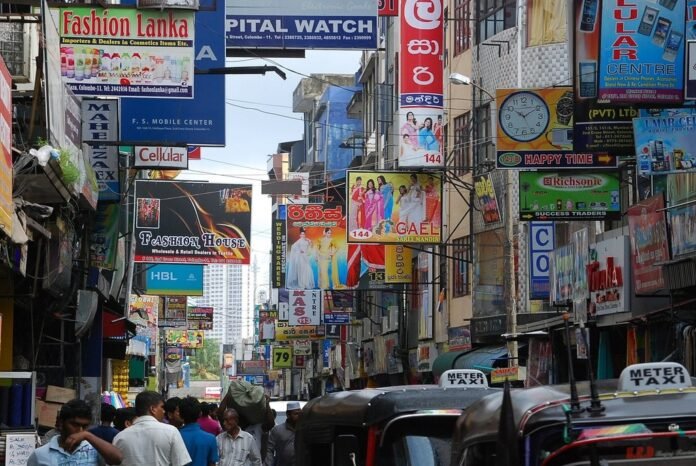
Studying abroad in Indonesia can be a thrilling experience. There could be so many options to study – as in; you may be taking a course in tropical biology at Yogyakarta, sustainable design at Bandung, or doing a business internship at Jakarta. So there are endless educational opportunities available to you across this archipelagic nation. However, the reality of obtaining quality health care services varies dramatically from one island to another and ultimately requires careful planning.
Never allow a medical emergency to disrupt your academic goals or drain your families’ financial resources. While Indonesia has a large national (single payer) public health care system and numerous private hospitals throughout its thousands of islands, the quality of health care varies greatly among major metropolitan areas versus remote campus locations. Therefore, when seeking health insurance as an international student, you must select health insurance that is based upon much more than simply who offers the best price per month in comparison to other providers.
When selecting health insurance to safeguard both your physical wellbeing and your finances, you will want to consider several factors including but limited to administrative eligibility, whether the provider offers direct billing for medical expenses, whether they have access to medical evacuations within regions where you plan to live, how many rooms are included per day/visit in their network of providers, what type of treatment (if any) is excluded under the policy terms of service, and what are your true out-of-pocket costs for all covered treatments?
This Guide provides explanations for each of these key variables to help ensure that you understand which health insurance coverage(s) are most suitable for you and/or your dependents..
1. Confirm Eligibility, Visas, and Institutional Mandates
Do not assume any travel policy satisfies institutional checks. Tourist plans frequently fail to meet immigration standards or academic registration criteria. Your first step is understanding how your legal status interacts with Indonesian healthcare regulations.
Institutional Healthcare Checkpoints
1. Does your university, scholarship board, or sponsor mandate a specific policy?
2. Does your visa status qualify you for BPJS Kesehatan or require private international cover?
3. Are legal dependants (spouse and children) eligible under your primary academic policy?
4. Will the insurer issue legal compliance certificates in English for your immigration file?
5. Does the policy remain active across the full duration of your study permit (ITAS/KITAS)?
The Role of BPJS Kesehatan
Indonesia maintains a universal healthcare program known as BPJS Kesehatan (Badan Penyelenggara Jaminan Sosial Kesehatan). Foreign nationals residing in Indonesia for more than six months on a limited stay permit (KITAS) are legally eligible—and technically required—to register for BPJS.
BPJS provides remarkably affordable care. It grants access to community health centres (Puskesmas) and regional public hospitals (RSUD). However, relying solely on BPJS as an international student presents distinct operational hurdles:
- Strict Tiered Referral Rules: You cannot walk into a major hospital for an ear infection and expect coverage. You must visit your assigned primary clinic first. Only after obtaining an official referral letter can you consult a specialist.
- Language Barriers: Most administrative staff and nursing teams in public clinics speak Indonesian (Bahasa Indonesia) exclusively. Medical forms, triage interviews, and discharge papers are rarely translated.
- Wait Times and Bed Availability: Public facilities frequently experience high patient volumes. Elective procedures or nonurgent diagnostics can take weeks to arrange.
- Zero CrossBorder Cover: BPJS pays nothing outside Indonesian borders. It does not fund international air ambulances.
Because of these boundaries, university international offices routinely require foreign scholars to hold comprehensive private or international medical insurance, either alongside BPJS or as their primary safeguard.
Sponsoring Dependants
If your spouse or children accompany you on a family stay permit (VITAS/KITAS C317), confirm their enrollment terms upfront. Some corporate group policies through foreign universities forbid dependents. Other policies permit family members only if you register them during the initial thirtyday visa issuance window. Miss that window, and you may find your family locked out until the following academic year.
2. Evaluate Geographic Scope and Regional Evacuation
Where will your studies take you? An international relations student living in South Jakarta encounters a different healthcare ecosystem than a marine science researcher based in Raja Ampat or North Sulawesi.
Your geographic scope dictates both your premium and your survival margin during a critical illness. Match your zone of cover to your mobility:
| Geographic Scope | Best Suited For | Critical Considerations |
| Indonesia Only | Students permanently based in major urban centres who intend to stay incountry throughout their academic term. | Lower premiums. Heavily dependent on the standard of local private facilities in your immediate city. |
| Indonesia & Southeast Asia | Students living in regional towns, or those who want access to advanced regional hospital networks in Singapore, Malaysia, or Thailand. | Balances cost with clinical peace of mind. Covers complex tertiary treatments not available in peripheral Indonesian provinces. |
| Worldwide (Excluding the US) | Mobile scholars, researchers conducting international field trips, and students returning home frequently during academic breaks. | Comprehensive worldwide mobility. Accommodates homecountry visits without policy lapse or secondary travel insurance purchases. |
| Worldwide (Including the US) | US citizens, dual nationals, or students who require seamless continuity of care within North American healthcare networks. | Highest cost category. Necessary if you plan to split semesters or residency periods across the United States. |
The Critical Need for Medical Evacuation
Indonesia is an archipelago of over 17,000 islands. Tertiary medical infrastructure is concentrated in Java and Bali. If you suffer acute trauma, internal bleeding, or complicated appendicitis on an island like Flores, Lombok, or Kalimantan, regional hospitals may lack specialised intensive care units, neurosurgeons, or paediatric lifesupport teams.
A domestic transfer to Jakarta, or an international medevac flight to Singapore or Kuala Lumpur, costs between $25,000 and $80,000. These flights require private jet charters, onboard intensive care teams, and mobile life support.
Verify that your policy covers:
- Ground and air ambulance transport to the nearest accredited medical centre.
- Crossborder emergency air evacuation if adequate local treatment is clinically unavailable.
- Repatriation of mortal remains or compassionate travel allowances for family members.
- Transport back to your campus location once your medical condition stabilizes.
3. Hospital Networks and Cashless Direct Billing
Insurance is only as useful as the ease with which a local hospital accepts it. In an emergency, you do not want to negotiate financial guarantees while managing physical pain.
Emergency / Hospital Admission
Cashless Network Facility OutofNetwork Facility
Present Insurer Member Card Pay Full Deposit Out of Pocket
Hospital Contacts ThirdParty Admin Undergo Treatment & Settle Final Bill
Guarantee of Payment (GOP) Issued Collect Itemised Invoices & Records
You Pay Only Uncovered Sublimits Submit Claims Packet via Portal
Discharge Approved Smoothly Wait 1545 Days for Reimbursement
Cashless vs. Reimbursement
Private Indonesian hospital groups—such as Siloam, Mayapada, Pondok Indah, and BIMC—operate highlevel emergency rooms and diagnostic centres. However, these facilities operate on strict financial solvency policies. If you walk into an emergency room without proof of insurance that they recognize, you must provide a credit card deposit before admission. This deposit can easily exceed $2,000 to $5,000.
Cashless Direct Billing eliminates this hurdle. You present your insurance digital card, the hospital’s international patient desk contacts your insurer or ThirdParty Administrator (TPA), and the insurer issues a Guarantee of Payment (GOP). You pay only for personal incidentals or uncovered copayments upon discharge.
Reimbursement Models, on the other hand, require you to settle the entire bill yourself. You must then collect itemised medical receipts, physician reports, and laboratory notes, translate them, and submit them through an online portal. Processing times typically run from two to six weeks. If you are an international student living on a monthly stipend, carrying an outofpocket hospital invoice of $4,500 on a credit card can trigger substantial financial strain.
When speaking with an insurer, ask:
- Which specific hospitals in my university’s city operate active directbilling agreements with your provider?
- Does direct billing apply only to inpatient overnight admissions, or does it also extend to outpatient specialist visits and diagnostic tests?
- What happens during offpeak weekend hours if an admission occurs before an official guarantee letter is issued?
4. Benefit Architecture: Inpatient, Outpatient, and Lifestyle Risks
An attractive premium usually signals an aggressive set of benefit limitations. To assess true policy value, you need to read past the glossy brochure figures and scrutinize the scheduled caps.
Inpatient and Surgical Core
Inpatient benefits cover hospital room charges, surgeon fees, operating theatres, medicine, pathology, and intensive care units.
Pay close attention to Room and Board Caps. Some budget plans cap room rates at $50 or $75 per day. In modern private hospitals in South Jakarta or Bali, a standard private room routinely costs $100 to $180 per day, while intensive care units can surpass $500 per day. If your policy restricts daily room reimbursements to an arbitrary cash limit, you are liable for the difference. More dangerously, some Indonesian hospitals tie their surgical and specialist fee schedules directly to the room category you choose. Upgrading your room to receive reasonable privacy might double your surgical expenses, leaving you with steep uncovered costs.
Look for policies that cover room and board at the “semiprivate” or “standard single private room” rate without an absolute dollar ceiling.
Outpatient Consultations and Preventative Medicine
For a single, young student, highdeductible inpatientonly coverage can be a reasonable, costeffective choice. You can pay out of pocket for a $30 clinic visit or a $15 course of antibiotics.
For families, outpatient cover is indispensable. Young children experience ear infections, skin rashes, viral fevers, and accidental falls. Outpatient modules should include:
- General practitioner and paediatric visits.
- Specialist referrals without excessive gatekeeper obstacles.
- Prescription drugs dispensed by hospital pharmacies.
- Basic diagnostic radiology, laboratory testing, and ultrasound scans.
- Mental health therapy and psychological support, which are vital for students dealing with the psychological pressures of international relocation.
Motorised Scooter and Sports Protections
In cities like Denpasar, Yogyakarta, or Malang, twowheeled scooters represent the standard form of student transit. They are also the leading cause of emergency hospital admissions among foreign residents in Indonesia.
Many international insurance policies contain restrictive fine print regarding motorcycle and scooter accidents. Typical exclusions deny coverage if:
- You were operating a scooter without an appropriate motorcycle endorsement on your International Driving Permit or local Indonesian SIM C licence.
- You were not wearing an approved helmet at the exact moment of the accident.
- The engine displacement of the scooter exceeded 125cc or 150cc.
- The accident involved trace amounts of alcohol.
Confirm these clauses before riding. If you plan to surf, scuba dive, or trek volcanic trails over university breaks, verify that your policy does not classify these recreational pursuits as excluded hazardous activities.
5. Exclusions, Underwriting, and Waiting Periods
Insurance companies do not sell coverage for burning houses. Every policy includes explicit clauses designed to eliminate preexisting liabilities and manage risk exposure.
Top Exclusions to Watch For in Indonesian Student Plans
• Preexisting medical conditions not formally declared and accepted during underwriting.
• Traffic accidents without a valid driving licence or helmet.
• Maternity and routine prenatal checks during the first 1012 months of coverage.
• Selfinflicted injuries or conditions linked to substance use.
• Congenital disorders not explicitly identified under an enhanced family policy rider.
• Experimental medications, vitamins, and overthecounter wellness supplements.
PreExisting Conditions and Disclosure
A preexisting condition refers to any illness, injury, or symptom you had before the policy start date, whether medically diagnosed or not.
Insurers generally treat preexisting conditions in one of three ways:
- Absolute Exclusion: The condition and all its related downstream complications are permanently excluded from coverage.
- Moratorium Underwriting: The condition is excluded for an introductory period (typically 24 months). If you remain symptomfree and treatmentfree throughout that period, the insurer may agree to cover it thereafter.
- Medical Underwriting with Loading: The insurer reviews your medical files, agrees to cover the condition, but charges an increased annual premium to reflect the heightened risk.
Never obscure your medical history on your application. If you make a major hospital claim, the insurer’s claims department will audit your historic health records. If an investigator finds you were treated for asthma or chronic hypertension three years ago without disclosing it, they can retroactively cancel your policy on grounds of nondisclosure and reject your claims.
The Realities of Maternity Waiting Periods
If you or your spouse are planning to start or grow a family while enrolled in your academic program, take note of maternity waiting periods. Maternity benefits almost never activate immediately. Standard waiting periods range from 10 to 12 months from the inception date of the policy.
This framework means you cannot purchase insurance while pregnant and expect the policy to cover the upcoming birth. Furthermore, check whether the policy protects against pregnancy complications, emergency caesarean sections, and congenital conditions affecting the newborn from birth.
6. FamilySpecific Protection Frameworks
Insuring a family unit requires careful structural planning. A basic policy that works smoothly for an independent single student can leave a family exposed to severe coverage gaps.
Shared Family Limit Individual Limits
Annual Pool: $100,000 Parent A: $100,000
Parent B: $100,000
Used by Parent A (Illness): $90k Child 1: $100,000
Remaining for Rest of Family: $10k
(High risk of limit exhaustion) (Protected, isolated risk pools)
Shared vs. Individual Annual Limits
When selecting a family policy, determine whether the annual maximum applies per person or across the entire family unit as a shared pool.
A shared annual limit of $100,000 sounds generous. However, if one family member experiences a severe medical crisis—such as a complex dengue fever case requiring weeks in intensive care—that single admission can exhaust $85,000 of the total pool. That leaves only $15,000 to protect the remaining family members for the rest of the policy year.
Individual annual limits establish dedicated financial firewalls around each family member. One person’s medical claims have zero impact on the coverage available to their spouse or children.
Newborn Enrollment Guarantees
Bringing a child into the world during an overseas academic stay is an extraordinary experience. It also introduces major administrative tasks. Ask your insurer:
- Can a newborn be added to the existing family policy automatically from birth without underwriting?
- Is there a mandatory window—such as 14 or 30 days postbirth—by which the birth certificate must be submitted?
- Does the policy provide immediate neonatal intensive care unit (NICU) coverage if the infant is born prematurely?
NICU care in top private hospitals across Southeast Asia costs upwards of $1,000 to $2,500 per day. If an infant is born with unexpected complications and your insurance requires postbirth medical underwriting, those neonatal intensive care costs will fall entirely on you. Prioritise policies that guarantee automatic newborn enrollment from birth, regardless of the child’s initial health status.
7. Analyzing the Total Cost of Ownership
Looking only at the monthly premium gives an incomplete picture of health insurance costs. An ultralow premium frequently masks significant outofpocket liabilities through deductibles, copayments, and ancillary processing charges.
| Cost Component | What It Means | Strategic Assessment for Students |
| Premium | The fixed upfront charge paid monthly, per semester, or annually to keep the policy active. | Pay annually or by semester if possible. Insurers often add 5% to 12% in administrative surcharges for monthly payment plans. |
| Deductible (Excess) | The initial sum you must pay out of pocket each policy year before your insurance begins covering claims. | Choosing a modest deductible ($250 to $1,000) can lower your premium. However, do not choose a deductible higher than your emergency liquid cash reserves. |
| Copayment | A fixed monetary charge paid at each appointment (e.g., $15 per general clinic visit). | Common in outpatient packages. Provides predictability for routine consultations. |
| Coinsurance | A percentage split of every medical bill (e.g., the insurer covers 80% and you cover 20%). | Risky for major inpatient admissions. A 20% coinsurance on a $40,000 surgical intervention leaves you with an $8,000 outofpocket liability. |
| Currency Fees | Transaction markups applied when your local card is charged in foreign currency (USD, EUR, GBP, IDR). | Review the billing currency. If your stipend is paid in Indonesian Rupiah (IDR), paying an international premium pegged to USD exposes you to foreign exchange shifts. |
To make a reliable comparison, assess two policies with identical parameters side by side:
Policy Plan A
Inpatient Only $0 Deductible Worldwide ExUS
Annual Premium: $1,400
OutofPocket on $10,000 Medical Admission: $0
Policy Plan B
Inpatient Only $1,000 Deductible Worldwide ExUS
Annual Premium: $950
OutofPocket on $10,000 Medical Admission: $1,000
Policy B saves $450 per year on upfront premiums. If you stay healthy, that money remains in your pocket. But if you have an accident, Policy B ends up costing you $550 more overall than Policy A once you pay the deductible. Calculate these scenarios against your personal finances before deciding.
8. Claims Procedures, Time Zones, and Administrative Support
A medical emergency does not wait for normal business hours. If an accident occurs at two in the morning on a Saturday in Surabaya, you need responsive administrative support immediately.
Critical Operational Questions
Before purchasing, review the insurer’s realworld operational capacity:
- Time Zone Alignment: Does the emergency assistance line operate out of a call centre in London or Chicago, or do they maintain regional teams in Singapore, Jakarta, or Kuala Lumpur? Calling an emergency coordinator who is asleep or operating eight hours behind Western Indonesia Time (WIB) can cause critical delays in hospital admission.
- Documentation Burdens: Does the claims team require original, inkstamped paper receipts delivered by physical courier? Or can you upload photographs of bills and physician notes through a mobile application? Courier requirements create major logistical headaches when you are managing an academic course load abroad.
- PreAuthorisation Requirements: Which procedures require preapproval? Most policies require advance notification of at least 48 to 72 hours for planned surgeries, MRIs, and advanced therapies. Know the protocol for unexpected emergencies where prior notice is impossible.
Keep an emergency health portfolio ready at all times. Save digital copies of your policy certificate, emergency phone numbers, member ID card, and passport biodata page on your smartphone. Share these details with your university’s international student adviser and a trusted family member.
9. Assessing Insurer Reliability and LongTerm Stability
Do not select a provider based purely on polished internet marketing. The health insurance market includes everything from globally established underwriters to flybynight brokers reselling unstable group schemes.
Verifying Provider Stability
1. Is the underwriter solvent? Look for financial ratings of A or higher from A.M. Best or S&P.
2. Is the local partner licensed under Indonesia’s Financial Services Authority (OJK)?
3. Does the policy guarantee renewal if you develop a severe, longterm illness while studying?
4. What is the insurer’s historical track record for premium increases at annual renewal?
5. Can coverage continue seamlessly if you transition to an employment permit (KITAS) poststudy?
Guaranteed Renewability
Certain lowcost student policies include cancellation clauses that permit the insurer to drop you at the end of the policy year if you develop an expensive chronic disease like cancer or autoimmune conditions.
Insist on a policy with Guaranteed Renewability. This contractual clause protects you from cancellation due to health conditions that develop while the policy is active, provided you continue paying your premiums on time.
The Role of Independent Brokers
Navigating crossborder medical insurance options can be complicated. Working with an independent international health insurance broker can save time. Brokers compare policies from multiple underwriters, clarify exclusion wording, and assist with claim disputes.
Reputable international brokers receive their commission directly from the insurance provider you choose. This service comes at no additional cost to you, meaning your premium remains identical to buying directly from the insurer. Ensure your broker holds active professional credentials, discloses their fees transparently, and maintains a solid understanding of Indonesian immigration and healthcare rules.
10. Practical Strategy Checklist
Use this checklist to run a systematic audit on any policy you consider.
Institutional Compliance
Meets minimum coverage limits set by your university or scholarship.
Provides compliance documentation in English for visa files.
Covers the entire academic and stay permit duration without midterm lapses.
Regional Healthcare Logistics
Direct billing in place at reputable private hospitals in your university town.
Minimum evacuation and repatriation benefit of at least $100,000.
Medical transport covered to advanced regional hubs like Singapore or Bangkok.
Benefit Sufficiency
Semiprivate or single private room covered without daily cash caps.
Intensive Care Unit (ICU) and major surgeries covered up to policy maximum.
Motorcycle and scooter accidents covered under realistic driving licence terms.
Outpatient benefits included or backed by dedicated outofpocket cash savings.
Family Safeguards (If Applicable)
Individual annual limits established for each dependant rather than a shared pool.
Paediatric care, developmental vaccines, and routine illnesses covered.
Guarantees in place for newborn enrollment from birth.
Administrative and Financial Feasibility
Policy deductible does not exceed your accessible emergency savings.
24/7 multilingual emergency helpline available within Southeast Asian time zones.
Guaranteed renewability clause included throughout your study duration.
Your time in Indonesia should be defined by educational development, cultural immersion, and lasting professional relationships. Managing medical emergencies without a plan is an avoidable risk. Take time to audit the policy fine print, confirm direct billing at local hospital desks, and secure a policy that leaves you and your family fully protected throughout your studies.
References
- Expat Arrivals. (2025, July 15). 7 things to look for in a health insurance provider. https://www.expatarrivals.com/article/7-things-look-health-insurance-provider
- ExpatDen. (2026, June 13). How to obtain medical care with Indonesia’s healthcare system. https://www.expatden.com/indonesia/indonesia-healthcare-system-overview/
- Feather Insurance. (2026, June 17). Health insurance in Indonesia: Guide for expats. https://feather-insurance.com/en-id/blog/health-insurance-guide-indonesia
- Flip. (2023, June 7). 5 best Indonesian health insurance you should consider. https://flip.id/en/blog/best-health-insurance-in-indonesia
- Flip. (n.d.). Tips for choosing international health insurance in Indonesia. Retrieved September 16, 2026, from https://flip.id/en/blog/international-health-insurance-in-indonesia
- International Student Journal. (2025, December 16). The lowdown on healthcare and health insurance for expats in Jakarta. https://www.isj.id/insights/healthcare-health-insurance-jakarta
- International Student Journal. (2026). Navigating healthcare in Jakarta: An expat briefing. https://isj.id/insights/navigating-healthcare-jakarta/
- Moving to Indonesia. (2026, June 6). Expat health insurance in Indonesia: A buyer’s guide. https://movingtoindonesia.net/expat-health-insurance-indonesia/
- Moving to Indonesia. (2026, June 11). Healthcare in Indonesia for expats: BPJS vs. private. https://movingtoindonesia.net/healthcare-indonesia-expats/
- MoveHub. (2025, January 2). Healthcare in Indonesia for expats: Do you need health insurance? https://www.movehub.com/us/international-moving/indonesia/healthcare-for-expats/
- Rumah123. (2025, October 20). Health insurance in Indonesia for expats. https://www.rumah123.com/en/property-guide/health-insurance-indonesia-for-expats/
- Wise. (2025, November 28). Expat health insurance for Indonesia: A complete guide. https://wise.com/gb/blog/expat-health-insurance-indonesia
- Zetsim. (2026, March 13). Health insurance in Indonesia: Costs, options & tips. https://www.zetsim.com/blogs/news/health-insurance-in-indonesia-costs-options-tips