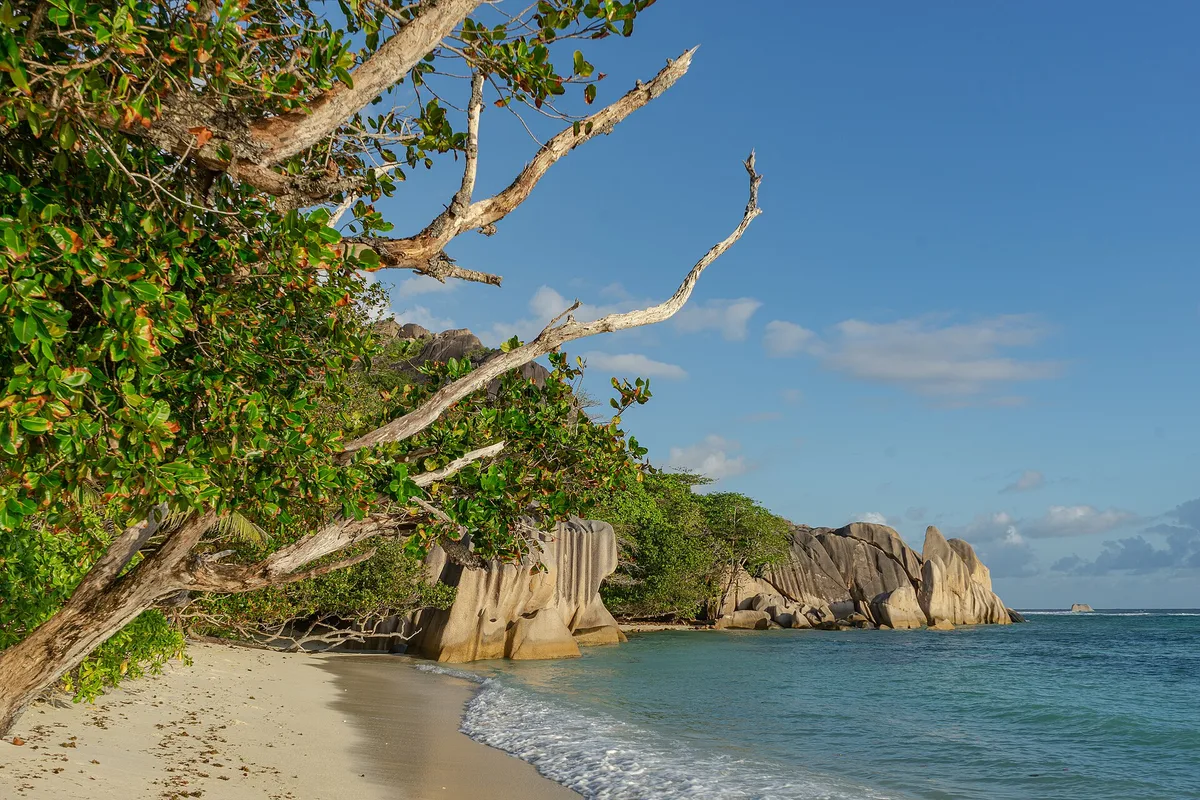
Moving to Seychelles as a student represents a once-in-a-lifetime experience. The unique blend of educational opportunities, natural beauty, and cultural diversity of Seychelles make it a truly special place to study. However, in order to relocate successfully you need to prepare practically for moving to this isolated island nation.
One of the first things you need to do after securing admission is obtain the correct health insurance.
A location like Seychelles is geographically unusual. The country consists of many small islands located in the middle of the Indian Ocean. Therefore, although Seychelles provides very good access to healthcare through its government funded system, there are few options for specialized care. Therefore, when seeking out a policy which meets both regulatory requirements as well as providing meaningful coverage, international students as well as their families can benefit greatly from evaluating the policies offered by various providers.
The next section of our Guide details just what to consider when looking into purchasing health insurance for Seychelles. In addition to information on what aspects of a policy to examine and how to find a policy that serves your needs as either a student or part of a family unit, we will also outline where you may purchase such a policy.
The Geographic Reality of Healthcare in Seychelles
To make an informed decision about which plan works best for you, it is crucial that you comprehend the nature of the overall local health care delivery system. The Seychelles public health care system is funded through taxation and offers citizens and permanent residents access to health services at no cost or very little out-of-pocket expense using public health clinics.
The majority of the country’s health services are concentrated at Victoria Hospital. Located in Mont Fleury on Mahé Island, the hospital contains an Emergency Department with limited imaging capabilities as well as primary in-patient beds. It also provides all of the acute and specialty services available outside of Mahé. On Praslin and La Digue, Community Health Centers provide basic triage and consultation; if a person needs to be seen by a specialist they have to go to Mahé. In cases where a patient has such a complicated problem that Mahé does not have the appropriate specialist(s), they typically fly to either India, Mauritius, or South Africa to receive treatment.
As such, how one plans their health care while living in the islands is quite different than what is typical for people who live on land. Thus, in addition to a possible financial challenge, obtaining immediate access to quality care presents a logistics puzzle.
Ten Crucial Features to Evaluate in Your Policy
When comparing insurance policies, do not just look at the monthly premium. Instead, evaluate the underlying mechanics of the policy. Here are ten critical areas to review.
1. Medical Evacuation and Repatriation
This is the single most important feature of any Seychelles policy. If you experience a severe injury or require cardiac care, local facilities might not be equipped to treat you.
Emergency medical flights are incredibly expensive. A chartered air ambulance to South Africa or India can easily cost over $50,000 USD out of pocket. Ensure your policy includes:
- Emergency medical evacuation up to a high limit (ideally unlimited or at least $100,000 USD).
- Repatriation of mortal remains.
- Travel expenses for a family member to accompany you if you are hospitalized.
2. Hospital and Clinic Network
Many of Seychelle’s private general practitioners have their own clinics. The majority of them are bilingual and communicate fluently in both English and French. So if you have an insurance company that has an agreement to bill directly from one of these doctors or medical centers, then you will typically be able to see them without having to pay anything.
3. Student Visa and Immigration Acceptance
You will need to get official permission to study in Seychelles. All incoming visitors to Seychelles must obtain an Electronic Travel Authorization (eTA) prior to their flight into Seychelles. To do this electronically via the internet, one needs to provide some form of evidence that they have purchased adequate travel/health insurance which includes repatriation back home due to illness or injury as well as immediate emergency treatment.
Additionally, as part of your application for your formal Student Permit from the Department of Immigration and Civil Status, you will be required to show proof of financial independence. Make certain that if there is particular wording for the policies your university or the immigration department requires, your provider will offer a certificate of coverage.
4. Family Eligibility and Dependent Cover
If moving with your partner and/or your children, you should review which dependents will be protected under this insurance. In addition to verifying that newborn protection is provided at birth, it would also be good to determine whether there are any waiting periods for newborn coverage (up to 14 days) as well as the maximum ages that will be covered by each plan. Family plans focused on students may only provide coverage for children up to age 18 or until their child reaches the age of 23 if he/she continues his/her education in an institution of higher learning on a full time basis.
5. Inpatient vs. Outpatient Cover
A typical student policy could provide coverage for in-patient care. The in-patient portion of your health insurance pays for all the costs associated with your admission to the hospital.
You may have more frequent need for out-patient care. The out-patient portion of your health insurance would cover services from a doctor (GP), lab tests, prescriptions etc. A family has a much greater chance of needing out-patient medical services than a single person does.
6. Dental and Vision Benefits
Most of these are available on an individual basis. Short term you may be able to get away without purchasing any of these options. Long-term (two to four year) students should find basic dental and vision insurance extremely helpful since routine cleanings, fillings, replacement contact lenses, etc. will cost a lot in that time frame. As such if you choose to opt-out for this coverage make sure you have enough money set aside in an emergency fund so you can pay at least some local dentist when needed.
7. Pre-Existing Conditions
Many individual global health insurance policies exclude pre-existing medical conditions. Pre-existing medical conditions are any illnesses or injuries you have when your coverage starts. If you have a chronic condition (like asthma) or have diabetes be sure to choose a policy that has options for “medical underwriting”. Medical underwriting can help you find a plan that will cover a chronic condition once you’ve waited a certain amount of time, or it can cost you more to add that condition to your plan. Be sure to read your exclusions list closely.
8. Regional Cover Tiers
Where can you go for medical treatment under the policy? Many plans limit where you may receive medical treatment. Regional plans include all of the countries listed above. A good option would be a regional plan as it includes Seychelles and also South Africa, Mauritius and India which is exactly what the pathways used by Seychellois doctors follow when they refer their patients to specialized facilities. If your plan limits you to receiving treatment in Seychelles, if you have to travel to mauritius for an emergency procedure then you will still have to pay the outstanding balance on your hospital bill.
[ Regional Cover Tiers ]
Level 1: Seychelles Only (Lowest premium, high local risk)
Level 2: Seychelles + Mauritius + India + South Africa (Best balance)
Level 3: Worldwide (Highest premium, comprehensive travel freedom)
9. Claims Process and Cashless Care
Paying cash at the time of service with subsequent reimbursement can be very stressful. When looking for medical care in another country, look to see if your provider offers “direct billing” or “cashless care” for all of the major services.
If you have to file a claim with your insurance company, then make sure to find out what is involved in filing this type of claim. Is there an app where you can submit receipt(s)? What is the time frame for receiving reimbursement? The responsiveness of the claims team is also something to consider, as they will greatly assist you during your recovery while being away from home.
10. Premium vs. Excess (Deductible)
The “premium” is your regular payment for keeping the insurance coverage in effect (monthly or yearly). The “excess” refers to how much money you have to spend out of pocket on the expense before the remaining amount is paid by the insurance company.
You will get cheaper premiums if you increase your excess. But you need to be certain that you are able to quickly cover a high excess amount when there is an emergency. If you could not afford to quickly pay a $1000.00 dollar deductible, it may be better to spend a little more for a premium so you can have a zero or very small excess.
Customizing Your Policy: Single Students vs. Families
Your insurance needs depend entirely on your household structure. A single twenty-something student needs a different safety net than a family of four.
For Single International Students
Your main goal is to protect against catastrophe without overpaying. You need basic coverage that keeps you compliant with Seychelles immigration.
Focus on:
- A high emergency evacuation limit.
- Basic accident and emergency coverage.
- A mid-range deductible to keep premiums low.
- Optional outpatient coverage for basic GP visits and prescriptions.
If you are generally healthy, a massive dental or maternity benefit is a waste of money. Keep your plan simple and focused on emergency protection.
For Families Studying Abroad
If your spouse and children are traveling with you, your risks are collective. One child’s broken arm or a sudden ear infection can derail your monthly budget.
Focus on:
- Robust pediatric care and developmental checkups.
- Standard childhood vaccinations (especially considering tropical disease risks).
- Maternity benefits if you plan to expand your family while abroad.
- A low or zero-deductible structure to keep out-of-pocket expenses predictable.
- A high aggregate annual limit that is shared across all family members.
Evaluating the Providers: International vs. Local Options
When buying coverage, you will choose between large international expat insurers and local Seychellois companies. Both options have distinct pros and cons.
| Provider | Type | Key Advantages | Best For |
| Allianz Care | International | Broad network, direct billing, massive evacuation limits. | Single students & families wanting global flexibility. |
| Cigna Global | International | Highly customizable modules, strong 24/7 customer service. | Students with specific medical needs or chronic conditions. |
| AXA International | International | Seamless global network, excellent repatriation logistics. | Expats who travel frequently outside Seychelles. |
| VUMI | International | VIP medical concierge services, fast claim processing. | Families looking for high-end, premium care support. |
| SACOS | Local | Deep local roots, regional tiers (Mauritius/India), lower premiums. | Budget-conscious students wanting localized, regional care. |
The Case for International Providers
Global Relocation Plans of companies such as Allianz Care, AXA, and Cigna provide a high level of financial security for those that relocate globally. Evacuation processes will be well-organized and efficient due to their large scale of operation.
These types of insurance policies can provide an individual with the option of returning home to see family and friends over holiday breaks, and also allow them to receive medical care from doctors in Europe and Asia. A representative is available via telephone at all times (24 hours), in addition they speak fluent English and can assist with any logistical challenges associated with receiving medical attention in foreign hospitals.
The Case for Local Providers (SACOS)
As the top insurance company in Seychelles, SACOS has a deep understanding of how things work here.
SACOS operates out of this area so their health insurance products are well tailored for regional travelers. Their products have specific coverage for treatment areas such as Seychelles, Mauritius, India & South Africa.
A SACOS product will generally be less expensive than one offered by a large international provider if you’re looking to minimize your costs. Additionally, because SACOS maintains solid relationships directly with all the private hospitals/clinics in Victoria it may be easier to get through the process of getting claims processed.
Your Practical Actionable Checklist
Before you pack your bags, complete this checklist to ensure your health coverage is fully secure.
- Verify Visa Compatibility: Contact your university’s international student office. Confirm if they require a specific minimum coverage limit or particular policy wording.
- Lock in Evacuation Coverage: Double-check that your policy specifically covers air ambulance transport from Seychelles to Mauritius, South Africa, or India.
- Check the Waiting Periods: If you are purchasing a family plan with maternity or dental benefits, check the waiting periods. Many plans require you to hold the policy for 10 to 12 months before you can claim these benefits.
- Save Emergency Contacts: Save your insurer’s 24/7 medical hotline number in your phone. Print a physical copy of your insurance card to keep in your wallet.
- Clarify the Claims Process: Download your provider’s mobile app. Confirm whether you need pre-authorization before visiting a private doctor on Mahé.
- Compare Three Quotes: Get quotes from at least one local provider (like SACOS) and two international providers (like Allianz or Cigna). Compare the annual limits, deductibles, and regional restrictions side-by-side.
Pro Tips:
Obtaining health insurance is not simply meeting an immigration officer’s requirements; it creates peace of mind. The Seychelles are a wonderful location for students to reside as well as learn, but there is a definite physical distance from other countries.”
Investing in a health care program that has strong evacuation coverage, defined regional boundaries, and clear outpatient benefits will provide protection for both your health and education. Spend some time choosing carefully before stepping off the plane.
References:
- American Psychological Association. (2023, June 10). Reference examples – APA style. https://apastyle.apa.org/style-grammar-guidelines/references/examplesapastyle.apa
- American Psychological Association. (2023, December 31). Reference list setup. https://apastyle.apa.org/style-grammar-guidelines/paper-format/reference-listapastyle.apa
- Indigo Expat. (2026, March 31). International health insurance Seychelles for expatriate. https://indigo-expat.com/en/informations/country-guide/international-health-insurance-expatriates-seychelles/indigo-expat
- Mondassur. (2019, October 20). Health insurance in Seychelles. https://www.mondassur.com/en/seychelles-visas-and-health/mondassur
- Pacific Prime. (2024, December 31). Seychelles health insurance for expats. https://www.pacificprime.com/country/africa/seychelles-health-insurance/pacificprime
- SACOS. (2020, March 12). Healthcare insurance. https://sacos.sc/healthcare-insurance/sacos
- The University of Queensland Library. (2019, September 19). APA 7th referencing style: Artificial intelligence. https://guides.library.uq.edu.au/referencing/apa7/artificial-intelligenceguides.library.uq.edu
- The University of Western Australia Library. (2011, June 7). Generative artificial intelligence (AI) – Referencing style – APA 7th. https://guides.library.uwa.edu.au/apa/Gen_AIguides.library.uwa.edu