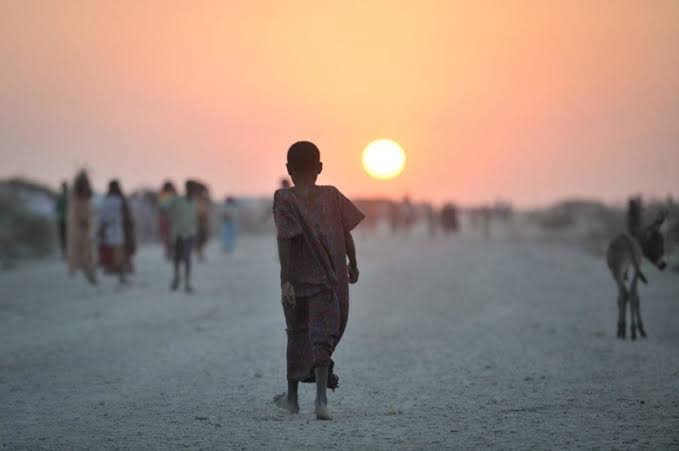
Studying abroad in Sudan presents an extraordinary opportunity for scholars to explore and understand the cultural diversity and historical context of East Africa as well as the complexity of its social and political systems. To successfully pursue study in this country, however, you need to be prepared in many ways; one of which is your ability to protect yourself physically.
Navigating any foreign healthcare system is difficult enough in itself. The Sudanese system is perhaps uniquely so. Historically underfunded, with a fragmented structure, Sudan’s health infrastructure has been subjected to numerous challenges. In accordance with data collected by the World Health Organization (WHO) and the Sudan Federal Ministry of Health it appears that a large number of health care facilities located within areas affected by conflict are closed down or otherwise severely limited by the lack of personnel, medication, and other basic supplies.
As such, when an individual experiences an unplanned medical event while living in Sudan it is common for them to experience a very severe economic situation. International students, researchers, and the family members of both will require a comprehensive international health insurance policy not simply to meet the requirements to secure a visa. Rather it represents their primary source of protection.
1. Understanding the Sudanese Healthcare Context
Prior to selecting an appropriate health insurance policy for your time in Sudan, you should be aware of the existing health-care delivery environment. The Sudan has two systems of healthcare; public and private. Most public institutions lack sufficient resources, therefore they have chronic shortages of many basic medicines and highly skilled medical staff. High quality medical services exist mainly through the private sector in the large cities like Khartoum, Omdurman and Port Sudan.
International students typically find it difficult to rely on the local social health insurance programs because of their design. The National Health Insurance Fund (NHIF), which is designed for public servants and low income families, provides limited coverage that does not match the requirements of foreign nationals. Therefore, the best way to secure reliable access to health care is through purchasing private health insurance.
However, the private health insurers operating locally in Sudan experience extreme inflation and therefore often make un-predictable increases to premiums or limit their provider networks. For these reasons, almost all international offices and visa issuing departments recommend that all international students purchase a good quality international student health insurance policy from a well known international insurer who has both international administrative capacity and an established partnership with one of the local private health insurers in Sudan.
2. Key Factors to Evaluate When Choosing a Plan
When comparing international insurance products, look past the glossy marketing brochures. Instead, scrutinize the specific policy wordings and local operational capabilities. Below is a detailed breakdown of the critical factors you must weigh.
Coverage Scope and Overall Limits
A standard policy must offer a high annual maximum limit—ideally no less than $500,000 USD—to protect against catastrophic medical events. Ensure the policy explicitly covers:
- Inpatient Care: Hospital accommodation, surgeries, intensive care units, and nursing fees.
- Outpatient Care: General practitioner visits, specialist consultations, and diagnostic imaging (like X-rays and MRI scans).
- Prescription Medications: Ensure the plan covers imported, brand-name pharmaceuticals, as local generic equivalents may face supply chain disruptions.
- Mental Health Services: Academic transitions can be highly stressful; check if the plan includes psychiatric visits or counseling.
Network and Access to Local Providers
A policy is only as good as the hospitals that accept it. You must confirm that the insurer’s network includes top-tier private clinics and hospitals in your specific study destination.
- Direct-Billing vs. Reimbursement: Ask if the insurer offers “cashless” direct billing. In Sudan, local currency volatility and cash liquidity constraints make upfront out-of-pocket payments highly challenging. A plan that requires you to pay thousands of dollars in cash and wait months for reimbursement is a significant administrative and financial burden.
- English-Speaking Staff: Ensure your designated local network clinics have English-proficient medical staff to avoid miscommunications during critical diagnoses.
Emergency Medical Evacuation and Repatriation
This is arguably the most critical clause for any expat in Sudan. If you face a complex surgical emergency or a severe infectious disease, local facilities may lack the necessary specialized equipment.
- Evacuation: Your policy must cover the logistics and cost of transporting you to the nearest medical hub capable of treating your condition (often Nairobi, Cairo, or Dubai).
- Repatriation: Ensure the policy includes the costs of returning you to your home country if long-term rehabilitation is required. The policy should cover air ambulance transportation and the travel expenses of an accompanying medical escort.
CRITICAL POLICY CHECKPOINT
Does your insurer require pre-authorization for emergency evacuations?
Ensure the emergency helpline has the unilateral authority to dispatch
medical transport 24/7 without waiting for complex bureaucratic audits.
Pre-Existing Conditions and Waiting Periods
If you have an ongoing health condition, such as asthma, diabetes, or a cardiovascular issue, you must disclose it during the application.
- Moratorium vs. Full Underwriting: Underwritten policies may cover your condition after a set waiting period (often 12 to 24 months) or exclude it entirely.
- Acute Episodes: Some student-specific plans do not cover routine care for pre-existing conditions but will cover a sudden, life-threatening flare-up. Read the fine print to understand this distinction.
Family Cover Specifics
If you are traveling with a spouse or children, look for family-centric benefits.
- Shared vs. Individual Limits: Verify whether the annual maximum limit applies per person or is shared across the entire family unit.
- Age Thresholds: Understand when a dependent child transitions to an adult rate, which typically happens between ages 18 and 24, depending on their full-time student status.
Maternity and Newborn Care
If you plan to expand your family during your studies, maternity coverage requires meticulous planning.
- Waiting Periods: Almost all international plans impose a 10-to-12-month waiting period before maternity benefits become active. You cannot purchase a plan while already pregnant and expect delivery costs to be covered.
- Newborn Care: Ensure the policy automatically covers the newborn from the moment of birth, especially for complications requiring neonatal intensive care units (NICU).
Infectious Disease and Epidemic Coverage
Sudan faces seasonal outbreaks of infectious diseases, including malaria, dengue fever, and cholera.
- Standard Coverage: Ensure the policy does not categorize epidemics or pandemics as general exclusions.
- Testing and Quarantine: Confirm that diagnostic PCR testing, targeted vaccinations, and any medically mandated quarantine costs are fully covered.
Exclusions, Civil Unrest, and War Risks
Sudan’s security situation can change rapidly. Most standard health insurance policies contain a general “War and Terrorism” exclusion clause.
- Active vs. Passive Risk: A high-quality international policy should cover you if you are an innocent bystander injured during unexpected civil unrest (passive risk). However, it will exclude coverage if you actively participate in demonstrations or travel to regions flagged with active military conflicts.
- Medical Evacuation in Unrest: Clarify whether the insurer will still evacuate you if the local airport is closed due to civil instability, or if they partner with specialized crisis management firms to handle overland extraction.
Policy Territorial Scope
Determine where your coverage is active.
- Sudan Only: Lower premium but no coverage if you travel.
- Regional / Worldwide Excluding USA: Highly recommended if you plan to travel home during academic breaks or attend conferences in neighboring countries.
- Worldwide Including USA: The most expensive option, usually unnecessary unless your home country is the United States or you plan to transit through it frequently.
Claims Process and Speed
When a medical emergency occurs, you need immediate support, not a bureaucratic bottleneck.
- Documentation Requirements: Some insurers require original, physical, stamped invoices sent via international courier before processing a claim. Look for modern providers that allow you to submit digital scans or photos of your medical receipts through a mobile application.
- Currency of Reimbursement: Ensure the insurer can reimburse you in a stable, easily accessible currency (such as USD, EUR, or GBP) to avoid the complications of local currency conversion and inflation.
3. Practical Steps to Compare and Choose Your Plan
Choosing the right policy requires a methodical, step-by-step approach. Do not rely on assumptions; gather evidence directly from the source.
[ STEP 1: GATHER REQUIREMENTS ]
Identify university mandates & personal health needs.
│
▼
[ STEP 2: REQUEST POLICY WORDINGS ]
Get the actual contract, not just the marketing brochure.
│
▼
[ STEP 3: AUDIT THE PROVIDER NETWORK ]
Verify specific hospitals in Sudan that accept the card.
│
▼
[ STEP 4: ANALYZE EMERGENCY PROTOCOLS ]
Confirm the exact steps for air ambulance dispatch.
│
▼
[ STEP 5: CALCULATE TOTAL LANDED COST ]
Add premiums, deductibles, co-pays, and transaction fees.
Step 1: Gather Requirements
Start by contacting your university’s international student office. Ask for their specific health insurance criteria. Some institutions require minimum coverage levels for repatriation or demand that the insurer be registered with the national regulatory authority.
Step 2: Request and Compare Policy Wordings
Do not buy a plan based on a summary table. Request the full “Policy Wording” or “Certificate of Insurance” document. Use the search function to locate critical terms: “pre-existing,” “exclusion,” “evacuation,” “limits,” and “co-pay.” Compare these definitions line-by-line across at least three different providers.
Step 3: Audit the Provider Network
Ask each shortlisted insurer for an active list of their network hospitals in Sudan. Focus on the city where you will reside. Call one or two of these local hospitals directly and ask their billing department: “Do you accept direct billing from [Insurer Name] for international students?” This quick call can save you thousands of dollars in unexpected cash demands.
Step 4: Verify the Claims Turnaround and Support
Test the insurer’s customer service before buying. Call their 24/7 emergency helpline at an unusual hour. Note how long it takes to reach a human operator and evaluate whether the agent can answer complex questions about Sudanese coverage clearly and professionally.
4. Short Comparison Checklist
Use this practical checklist when speaking with insurance brokers or evaluating policies online.
| Checklist Item | Yes / No | Notes / Action Items |
| Comprehensive Core Care: Includes inpatient, outpatient, emergency, and prescription drugs? | Verify the per-incident limit. | |
| Direct Billing: Cashless payment available at top private clinics in Sudan? | Ask for the specific hospital names. | |
| Evacuation & Repatriation: Covers air ambulance and medical escort to a foreign hub? | Look for at least $250,000 USD limit. | |
| Pre-Existing Conditions: Disclosed, reviewed, and covered (or waiting period accepted)? | Check if acute flare-ups are included. | |
| Infectious Diseases: Explicitly covers treatment for malaria, dengue, cholera, and COVID-19? | Confirm no pandemic exclusions apply. | |
| War / Civil Unrest: Covers passive bystander injuries during sudden local instability? | Read the exclusion definitions carefully. | |
| Territorial Scope: Includes coverage for travel back home or to neighboring states? | Check if transit countries are covered. | |
| 24/7 Support: Dedicated English-speaking emergency assistance helpline available? | Call the number to test response times. | |
| Claim Reimbursement: Mobile app submission allowed for rapid, multi-currency payouts? | Verify typical processing turnaround time. |
5. Illustrative Scenarios
To see how these priorities translate to real life, let us examine two hypothetical international students preparing for their stay in Sudan.
Scenario A: Single Graduate Researcher in Khartoum
- Profile: An independent Ph.D. student conducting a six-month linguistic study.
- Priorities: High-quality outpatient care for seasonal illnesses, reliable local clinic access, and robust evacuation coverage.
- Strategy: This student should prioritize a plan with low outpatient deductibles. Because they will navigate Khartoum’s urban environment independently, having an insurer with an intuitive mobile app and a rapid, cashless local clinic network is essential. They do not need extensive maternity or family benefits, keeping their premium relatively low while securing a premium evacuation rider.
Scenario B: Academic with Spouse and Young Child
- Profile: A visiting professor taking a two-year teaching assignment, accompanied by their family.
- Priorities: Comprehensive pediatric care, family-wide high limits, maternity coverage, and clear dependent age policies.
- Strategy: For this family, a unified policy with individual limits per family member is highly recommended. Outpatient care for childhood illnesses and emergency dental/vision benefits are crucial. They must choose a plan with robust, established family-care clinics in Sudan. Additionally, they should ensure the evacuation policy covers the logistical costs of keeping the family together if one member requires urgent medical transport abroad.
Summary of Next Steps
Securing health insurance for Sudan is a balancing act between cost, coverage, and real-world operational reliability. Do not let cheap premiums blind you to high deductibles or restrictive exclusions.
To take immediate action:
- Contact your host institution to secure their official insurance compliance checklist.
- Define your demographic needs (individual versus family coverage, planned travel, pre-existing conditions).
- Shortlist three international insurers with active operations in East Africa.
- Use our comparison checklist to run a rigorous, line-by-line audit of their policy terms.
With the right coverage in place, you can focus on your studies and research with the peace of mind that your health, finances, and safety are thoroughly protected.
References:
- Salim, A. M. A. (2018). Exploring health insurance services in Sudan from the perspectives of the insurers. BMC Health Services Research. Retrieved from https://pmc.ncbi.nlm.nih.gov/articles/PMC5768257/pmc.ncbi.nlm.nih
- International Labour Organization. (2025). Sudan National Health Insurance Fund (NHIF) report. International Labour Organization. Retrieved from https://www.ilo.org/sites/default/files/2025-07/25008-ILOP-Sudan-National-Insurance-report-v5-2-E.pdfilo
- World Health Organization. (2021). Essential health benefits package — technical report (Sudan). Retrieved from https://sudan-ehbp.com/wp-content/uploads/2021/01/WHO_EBD_EHBP-Technical-Report.pdfsudan-ehbp
- Allianz Care. (2026, July 7). International student health insurance. Allianz Care. Retrieved from https://www.allianzcare.com/en/personal-international-health-insurance/who-we-help/students.htmlallianzcare
- APRIL International. (2026, June 30). International health insurance | APRIL International. Retrieved from https://www.april-international.com/en april-international
- Cigna Global. (n.d.). International student health insurance | Cigna Global. Retrieved from https://www.cignaglobal.com/students cignaglobal
- International Student Insurance. (n.d.). Student health insurance plans. Retrieved from https://www.internationalstudentinsurance.com/student-health-insurance/internationalstudentinsurance
- International Student Insurance. (n.d.). ISI Protect plan. Retrieved from https://www.internationalstudentinsurance.com/protect/internationalstudentinsurance
- Study in Australia. (n.d.). Overseas Student Health Cover (OSHC). Australian Government. Retrieved from https://www.studyaustralia.gov.au/en/plan-your-move/overseas-student-health-cover-oshcstudyaustralia
- University of Melbourne. (n.d.). Arrange your Overseas Student Health Cover (OSHC). The University of Melbourne. Retrieved from https://students.unimelb.edu.au/support-and-wellbeing/international-student-support/visas/healthcare-for-other-visa-typesstudents.unimelb