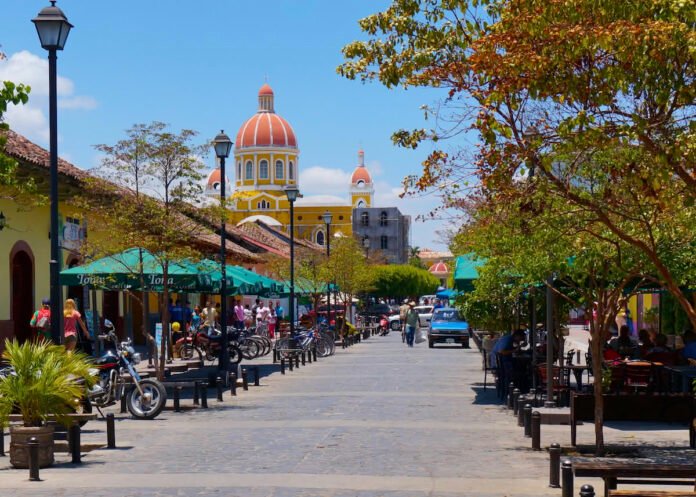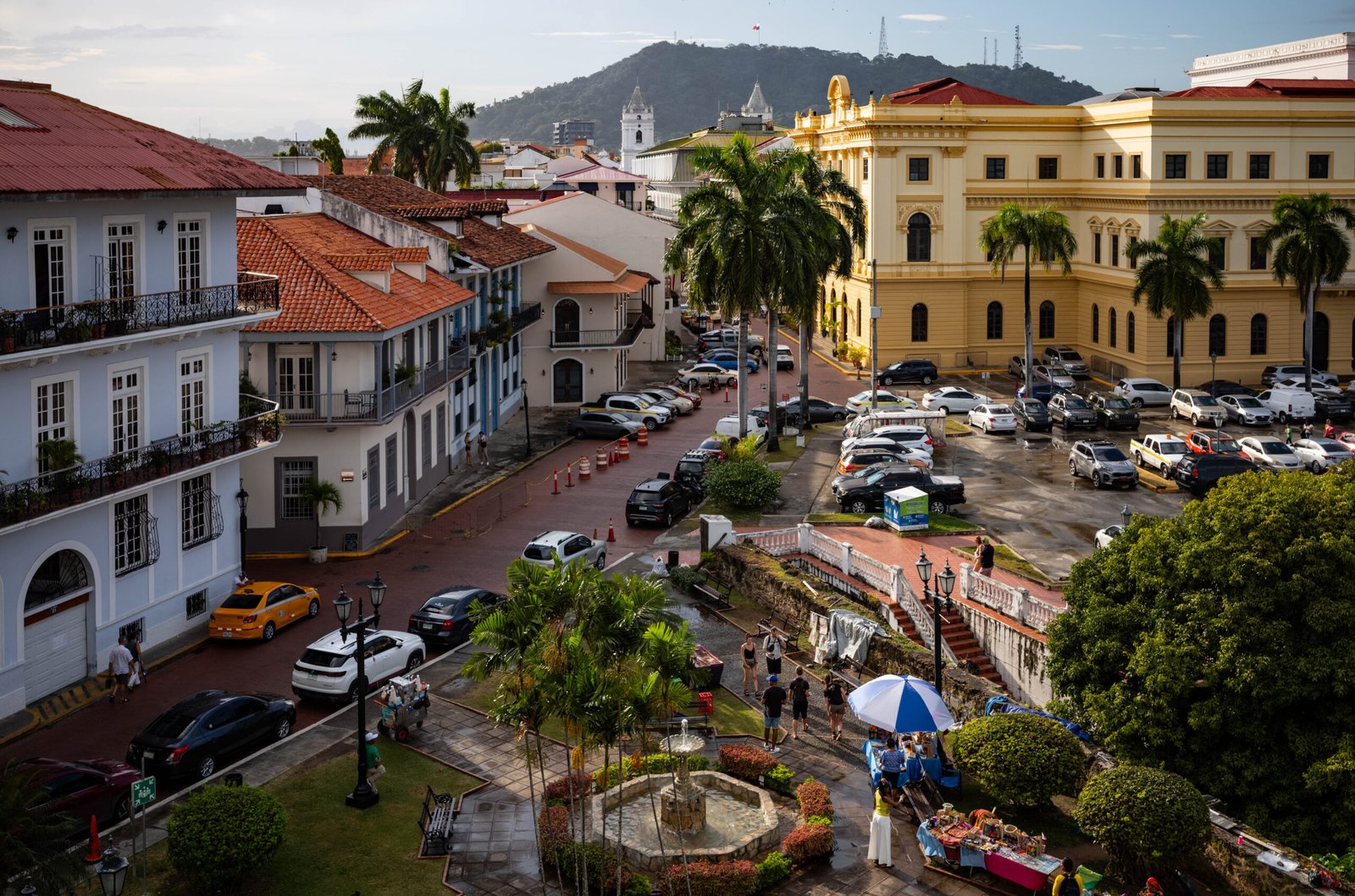
Studying in Panama gives you a great combination of top quality educational programs, exciting cultural experiences and a strong network for connecting with people globally. Nevertheless, preparing yourself for moving to Panama as a student and transitioning into the lifestyle in Central America necessitates careful planning on all logistical fronts — especially health insurance. In terms of access to medical care, private hospitals in Panama are among some of the best in the world, particularly in Panama City; however, if you don’t have sufficient health insurance, using these services can be expensive and time consuming to navigate.
When choosing foreign insurance options there is often a lot to consider. For example, international students must weigh the ease of use of local Panamanian insurance plans versus the portability of global coverage. The purpose of this article is to provide you with an objective analysis that uses data to help break down the health insurance options available for students in Panama so that you can meet your visa requirements, review hidden details within policy contracts, analyze reasonable cost estimates for out of pocket expenses, and purchase a plan that fits your needs during your academic studies.
1. Confirming Visa Requirements and University Mandates
Before purchasing any health insurance policy, you must confirm the legal and academic requirements governing your stay in Panama. Regulatory obligations vary depending on your host institution and your visa category.
Immigration and Legal Frameworks
The Servicio Nacional de Migración (National Migration Service), which is in charge of issuing student visas to foreign nationals, has a requirement that foreign applicants provide evidence of having sufficient financial resources and proof of health coverage for the duration of their stay.
In addition to this, while there are generally rules governing immigration with regard to requiring insurance; it is possible for specific parameters of these policies such as the amount of coverage provided by each type of policy (minimum required benefits) or repatriation requirements to be subject to variation depending on the current guidelines being followed by Consuls.
University Policies vs. Comprehensive Coverage
Do not assume your university provides complete health coverage. Many institutions offer basic student policies, but these are often limited in scope. For example, the University of Panama (Universidad de Panamá) provides a basic student accident policy. However, this coverage applies primarily during on-campus classes, official university travel, and university-sponsored activities.
Basic University Policy Comprehensive Health Plan
┌──────────────────────────────────┐ ┌──────────────────────────────────┐
• On-campus accidents • 24/7 routine illness & care
• Sponsored academic travel VS • Off-campus emergencies
• Limited emergency treatment • Prescription drugs & specialists
└──────────────────────────────────┘ └──────────────────────────────────┘
A basic policy rarely covers routine medical conditions, off-campus illnesses, specialist consultations, or coverage for dependants. To protect yourself fully, verify the following details with your international student coordinator and legal adviser before finalizing your enrollment:
- Mandatory Requirements: Is health insurance an explicit prerequisite for university enrollment or visa issuance?
- Regulatory Approval: Must your policy be issued by an SSRP-licensed domestic insurer, or are foreign-based international plans accepted?
- Specific Clauses: Does the policy mandate medical evacuation, repatriation of remains, or official policy documentation translated into Spanish?
- Coverage Scope: What specific gaps exist between your institution’s institutional accident policy and your personal daily healthcare needs?
2. Local Panamanian Plans vs. Portable International Coverage
Selecting health insurance requires deciding between a local Panamanian health plan and an international student policy. Each option offers distinct structural advantages depending on your travel habits, budget, and long-term academic plans.
Local Panamanian Insurance Plans
Local insurers—such as MAPFRE Panamá, ASSA Compañía de Seguros, Internacional de Seguros, and Family Medical—offer policies tailored specifically to the domestic healthcare system. These insurers hold direct billing agreements with top private medical centers in Panama, including Pacífica Salud (affiliated with Johns Hopkins Medicine International), Centro Médico Paitilla, Hospital Nacional, and Hospital San Fernando.
Local plans typically feature lower monthly premiums. However, their primary limitation is geographic constraint: benefits generally cease once you cross Panama’s borders.
International Student Health Plans
International plans—provided by global underwriters like Allianz Care, Cigna Global, Bupa Global, or IMG—offer portable coverage. These plans protect you in Panama, during trips home, and while traveling across international borders for academic conferences or leisure.
While international policies carry higher monthly premiums, they provide higher overall annual coverage limits, multi-country coverage, and comprehensive emergency medical evacuation services.
Structural Comparison: Local vs. International Options
| Policy Feature | Local Panamanian Plan | International Student Plan | Family International Plan |
| Primary Geographic Scope | Within the Republic of Panama | Worldwide (Optionally excluding or including the USA) | Worldwide multi-country coverage |
| Average Monthly Cost | US$50 – US$125 | US$100 – US$300 | US$250 – US$700+ |
| Billing Mechanics | Direct billing via local insurer card at network facilities | Pay-and-claim reimbursement or international direct billing networks | Direct billing for hospital stays; pay-and-claim for routine outpatient care |
| Evacuation & Repatriation | Rarely included or offered as a small optional rider | Standard inclusion with substantial financial limits | Standard coverage for all named dependants |
| Key Advantage | Lower cost; deep integration with local hospital networks | Uninterrupted protection while traveling across borders | Unified policy covering student, spouse, and children |
| Key Limitation | Zero coverage outside Panama; potential residency hurdles | Higher premiums; complex reimbursement processes | Costs scale quickly with each added family member |
| Best Suited For | Students living strictly in Panama on a tight budget | Students traveling frequently or taking short-term courses | Students relocating to Panama with dependants |
3. Essential Coverage Benefits to Prioritize
Evaluating a health policy requires looking beyond marketing summaries. You must analyze specific benefit line items to ensure your policy provides adequate financial protection.
┌─────────────────────────────────────────┐
Core Student Benefit Stack
└────────────────────┬────────────────────┘
┌─────────────────────────────┼─────────────────────────────┐
▼ ▼ ▼
┌─────────────────┐ ┌─────────────────┐ ┌─────────────────┐
Inpatient Care Outpatient Care Emergency Care
• Hospital stay • Consultations • Air ambulance
• Surgery • Diagnostics • Repatriation
• Intensive care • Prescriptions • Direct billing
└─────────────────┘ └─────────────────┘ └─────────────────┘
Core Benefits for Individual Students
- Inpatient Hospitalization and Surgery: Private hospital admissions in Panama City can quickly exceed several thousand dollars per day. Ensure your policy covers semi-private or private room accommodations, intensive care units, operating room fees, and surgical specialists.
- Outpatient Consultations and Specialist Visits: Routine general practitioner visits in Panama private clinics range between US$40 and US$80, while specialist consultations run from US$80 to US$150. Your policy should cover consultations, diagnostic lab work, X-rays, and MRI scans.
- Emergency Evacuation and Repatriation: If you suffer a severe injury outside major urban centers—such as in the San Blas archipelago or rural Chiriquí—air ambulance transport to Panama City can cost upwards of US$15,000. Medical evacuation coverage pays to transport you to the nearest equipped facility or your home country.
- Prescription Drug Coverage: Verify whether outpatient prescription drugs are covered at local pharmacy chains, such as Farmacias Arrocha or Metrojin. Check if medications require upfront cash payment followed by manual claim reimbursement.
- Mental Health and Counseling Services: University life presents unique psychological pressures. Ensure your plan covers outpatient psychotherapy sessions, crisis intervention, and psychiatric consultations.
- Direct Billing Network Access: Private hospitals in Panama often require a valid guarantee of payment or a credit card pre-authorization ranging from US$1,000 to US$5,000 before admitting non-emergency patients. Direct billing ensures the insurer guarantees payment directly to the medical facility, preserving your cash reserves.
Additional Considerations for Student Families
If you relocate to Panama with a spouse or children, evaluate these essential family benefits:
- Pediatric Healthcare: Comprehensive coverage for routine check-ups, developmental milestones, and mandatory childhood immunizations.
- Maternity and Newborn Care: Coverage for prenatal consultations, delivery costs, complications of pregnancy, and immediate nursery care for newborns.
- Dental and Optical Riders: Coverage for routine cleanings, emergency dental extractions, eye examinations, and corrective lenses.
- Chronic Condition Management: Coverage for ongoing treatment, laboratory monitoring, and long-term medications for established conditions like asthma, diabetes, or hypertension.
4. Navigating Exclusions, Waiting Periods, and Fine Print
The value of an insurance policy rests entirely on its fine print. Policy exclusions can invalidate your claim if you do not account for them ahead of time.
Pre-Existing Conditions and Underwriting
The insurance companies typically define a pre-existing condition as any health issue, injury or symptom for which you have received medical care (advice, diagnoses, treatments) before the effective date of your new coverage. Most standard individual plans will either completely exclude pre-existing conditions from coverage or perform a formal medical underwriting review on each applicant. In most cases, there are three possible results after the underwriting is completed: you will be accepted in full; your premium will be increased (“loaded”) for that particular condition; or a rider specifically excluding the identified condition will be placed on your new policy. All applicants should provide their complete medical history. Failure to do so provides the insurance company with the right to cancel your new coverage at any time, and also allows them to reject ALL of your future claims based on non-disclosure.
Waiting Periods for Specialized Care
A waiting period is the time you must maintain continuous policy coverage before becoming eligible to claim specific benefits.
Coverage Timeline & Waiting Period Milestones:
Month 0 Month 6 Month 10–12
├──────────────────────┼──────────────────────┤
▼ ▼ ▼
Policy Starts Psychiatric & Maternity &
Immediate Emergency Complex Therapy Pre-existing Condition
& Inpatient Care Benefits Unlocked Benefits Unlocked
- Maternity Coverage: Local Panamanian family policies almost universally apply a waiting period of 10 to 12 months before covering pregnancy and childbirth. Purchasing a policy after becoming pregnant means maternity costs will not be covered.
- Psychiatric Care: Mental health benefits frequently require a waiting period ranging from 3 to 6 months of continuous coverage.
- Dental and Elective Procedures: Elective dental work or non-urgent outpatient surgeries often enforce 6-month waiting periods.
Common Policy Exclusions
Review your policy terms to confirm whether any of the following standard exclusions apply to your situation:
- High-Risk Activities: Fieldwork, scuba diving off Coiba Island, surfing, rock climbing, or operating motor scooters are often excluded unless you purchase a specialized adventure sports rider.
- Substance-Related Incidents: Injuries sustained while under the influence of alcohol or non-prescribed controlled substances are routinely denied.
- Unapproved Medical Providers: Receiving treatment outside your insurer’s approved provider network without prior authorization can result in claim denials or steep coinsurance penalties.
- Status Changes Upon Graduation: Many student-specific policies automatically terminate upon graduation, leaving you temporarily uninsured if you transition to a work visa or extended tourist stay.
5. Analyzing Financial Structures Beyond the Premium
Comparing insurance policies based solely on the monthly premium can be misleading. A low monthly cost often hides high out-of-pocket expenses when you actually seek medical care.
Core Financial Concepts
To calculate the true cost of an insurance policy, you must understand four key financial terms:
- Deductible: The fixed amount you must pay out of pocket each year before your insurer begins contributing toward covered medical expenses.
- Coinsurance: The percentage of medical costs you share with the insurer after paying your annual deductible (for example, an 80/20 split means the insurer pays 80% and you pay 20%).
- Copayment (Co-pay): A small, flat fee paid at the time of service, such as a US$15 fee for a general practitioner visit.
- Out-of-Pocket Maximum: The absolute limit you will have to pay in deductibles and coinsurance during a policy year. Once reached, the insurer pays 100% of covered expenses.
Sample Cost Comparison Scenarios
The following table illustrates how different benefit structures affect your actual out-of-pocket expenses for a minor surgical procedure costing US$4,000 in Panama City.
| Expense Component | Scenario A: Low Premium Plan | Scenario B: Mid-Tier Local Plan | Scenario C: High-End International Plan |
| Annual Premium | US$600 (US$50/mo) | US$1,200 (US$100/mo) | US$2,400 (US$200/mo) |
| Annual Deductible | US$1,000 | US$250 | US$0 |
| Coinsurance Rate | 30% patient share | 20% patient share | 0% (100% covered) |
| Calculation on US$4,000 Claim | Deductible: US$1,000 Remaining: US$3,000 Coinsurance (30%): US$900 | Deductible: US$250 Remaining: US$3,750 Coinsurance (20%): US$750 | Deductible: US$0 Remaining: US$4,000 Coinsurance (0%): US$0 |
| Total Out-of-Pocket for Claim | US$1,900 | US$1,000 | US$0 |
| Total Annual Cost (Premium + Claim) | US$2,500 | US$2,200 | US$2,400 |
This comparison highlights why low-premium plans can end up costing more when significant medical events occur.
6. Evaluating Provider Networks and Claims Quality
A policy is only as reliable as the insurer’s service quality when you need medical care. Evaluating network reach and administrative responsiveness before buying saves time and frustration later.
Essential Questions for Insurance Brokers
Ask your provider or insurance broker these fundamental questions before making a payment:
- Regulatory Licensing: Is this company fully licensed by Panama’s Superintendencia de Seguros y Reaseguros?
- Network Hospital Access: Which specific medical centers in Panama City, David, or Chitré belong to your direct billing network?
- Direct Billing Logistics: Does your company issue a physical or digital membership card that private hospitals accept immediately upon admission?
- Claims Processing Time: What is the average timeline for processing and reimbursing out-of-pocket claims?
- Bilingual Support: Do you provide 24/7 emergency customer service in both English and Spanish?
- Documentation Language: Can you issue official policy certificates in Spanish for submission to Panamanian immigration authorities?
Navigating Local Medical Networks
Panama’s top private healthcare facilities cluster heavily in Panama City. Facilities like Pacífica Salud, Hospital Nacional, Centro Médico Paitilla, and Hospital San Fernando deliver exceptional care comparable to top international medical centers.
Panama Private Healthcare Network
Pacífica Salud Hospital Nacional Centro Médico Paitilla
• Johns Hopkins Affiliated • Central Panama City • Established Specialty
• Full Inpatient/Surgical • Broad Local Insurance Care & Diagnostics
However, if your studies take you outside the capital—such as to the Universidad Tecnológica de Panamá campus in Chiriquí—you must confirm that your insurer maintains active network agreements with regional facilities like Hospital Chiriquí or Centro Médico Mae Lewis in David.
7. Strategic Decision Framework and Practical Action Plan
To simplify your selection process, match your personal student profile against the following strategic decision framework:
Profile 1: Single Student Residing Exclusively in Panama
- Recommended Path: Select a regulated local Panamanian health plan from an SSRP-authorized provider.
- Why: You get low monthly premiums and direct billing access to Panama’s top private hospitals without paying extra for unnecessary international coverage.
- Action Step: Add a low-cost rider for emergency international medical evacuation if you plan to take occasional vacations in neighboring countries.
Profile 2: Student Traveling Frequently or Studying Cross-Border
- Recommended Path: Choose a comprehensive international student health plan.
- Why: These plans cover you seamlessly across Panama, your home country, and international transit destinations.
- Action Step: Confirm whether your international policy meets Panamanian student visa requirements and request a Spanish validation letter for immigration processing.
Profile 3: Student Relocating with Family
- Recommended Path: Compare family-inclusive international plans against comprehensive local group policies.
- Why: Dependent coverage requires careful alignment of pediatric care, maternity waiting periods, and separate deductible limits for each family member.
- Action Step: Review the policy’s maternity waiting periods and chronic condition limits for each dependant before enrolling.
Pre-Flight Checklist
Before boarding your flight to Panama, complete these final verification steps to ensure your health coverage is active and fully functional:
┌──┐
1. Secure written confirmation from your university validating your chosen policy.
└──┘
┌──┐
2. Obtain an official policy summary and visa letter translated into Spanish.
└──┘
┌──┐
3. Save your insurer’s 24/7 international emergency contact number in your phone.
└──┘
┌──┐
4. Download your insurer’s digital membership card and print two physical copies.
└──┘
┌──┐
5. Identify the nearest in-network private hospital relative to your campus or housing.
└──┘
Selecting student health insurance in Panama requires balancing budget constraints with comprehensive medical protection. By verifying visa requirements, reviewing policy exclusions, and calculating true out-of-pocket costs, you can secure reliable healthcare coverage and focus on your academic success in Panama.
References
- ExpatDen. (2026, April 9). Health insurance in Panama: What you need to know as an expat. Link to sourceexpatden
- Revisa24. (2026, January 15). Compare health insurance Panama 2026. Link to sourcerevisa24
- Smithsonian Tropical Research Institute. (2025, October 9). Health and medical insurance. Link to sourcestri.si
- StartAbroad. (2026, June 10). Healthcare and health insurance for expats in Panama. Link to sourcestartabroad
- Superintendencia de Seguros y Reaseguros de Panamá. (2026). Superintendencia de Seguros y Reaseguros de Panamá. Retrieved August 10, 2026, from official websitesuperseguros.gob
- Universidad de Panamá, Vicerrectoría de Asuntos Estudiantiles. (n.d.). Vicerrectoría de Asuntos Estudiantiles: Seguro estudiantil. Retrieved August 10, 2026, from University of Panama websitevae.up.ac