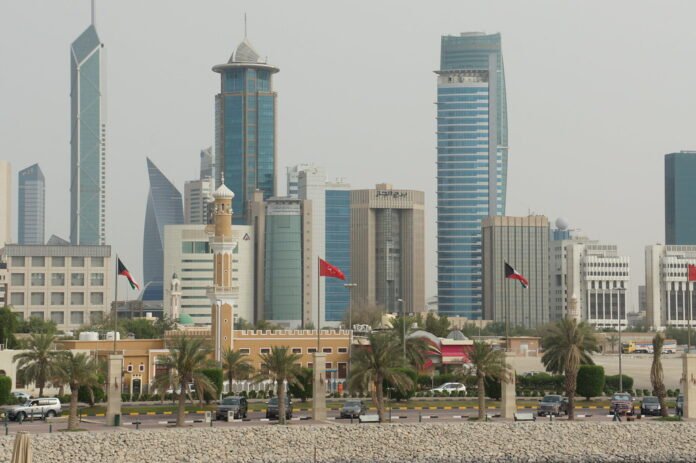
Laos can be captivating quickly. The slow flow of the Mekong River, the calm beauty of Luang Prabang, and the laid-back atmosphere on Vientaine’s low-lying streets create a beautiful academic experience.
The medical infrastructure in Laos is a very different story.
Whether arriving alone with a backpack or moving with a spouse and young children, as an international researcher, language student, or undergraduate/graduate student, when you move to Laos, you will need to assess the reality of regional health care services. The local facilities are good at handling basic needs and minor health issues; however, if a serious medical emergency arises, timely, organized care from one country to another will be necessary.
Finding the correct health insurance plan is much more than checking a bureaucratic box on your application for university registration. Your access to international-quality hospitalization is your lifeblood. This report provides information about the structure of the health care delivery system in Laos, compares key features of common health insurance policies and highlights specific requirements that must be considered when evaluating and purchasing a health insurance product.
1. The Ground Reality: Healthcare and Policy Context in Laos
Before analyzing policy tiers, deductibles, or underwriting forms, you must understand how healthcare operates on the ground in the Lao People’s Democratic Republic.
| Healthcare Level | Typical Facilities | Scope of Treatment | Regional Logistics |
| Primary & Routine Care | International clinics and private medical centers in Vientiane | Fevers, foodborne infections, basic stitches, diagnostic bloodwork, and routine medication refills | Handled locally in-country with cash payment or local direct billing |
| Intermediate Emergency | Major provincial hospitals in Nong Khai and Udon Thani (Thailand) | Complex fractures, appendectomies, moderate trauma stabilization, and specialized imaging | Overland transfer via the First Thai-Lao Friendship Bridge |
| Tertiary & Critical Care | Advanced private hospital networks in Bangkok or Singapore | Neurosurgery, pediatric intensive care, major polytrauma, and complex cardiac procedures | International commercial flight with medical escort or chartered air ambulance |
No Legal Visa Mandate, but Institutional Expectations Exist
:
Laos is one of the few countries in Southeast Asia that do not have laws requiring students to purchase and maintain health insurance prior to obtaining or renewing a student visa (Student Visa – ST). Immigration officials also seldom require applicants to present proof of personal health insurance when crossing the borders.
While there are no national regulations governing this issue, many colleges and schools now have their own policies with respect to this requirement. For example, the National University of Laos (NUOL), which is the largest and oldest public university in the country, has its own student health insurance program but it is limited to Lao nationals. The NUOL’s International Office typically requests proof of comprehensive health insurance from foreign students during the application/admission process; however, they never provide assistance in purchasing such a policy.
The Public Scheme Is Strictly Citizens-Only
In 2016, Laos merged multiple social safety funds with the National Health Insurance (NHI) program. The NHI greatly expanded free, government-subsidized primary health care and hospital services across all of its public health facilities.
Regardless of your residency status as a foreign national, you can never enroll in the NHI program. If you have a long-term visa and pay local fees for the use of public health facilities; however, those same public health facility fees will be entirely paid out-of-pocket for you when you visit the public hospitals such as Mahosot or Mittaphab Hospitals. Although, by western standards the out-of-pocket cost for using Lao public hospitals is very inexpensive; the level of care provided via ICU, nursing staff to patient ratio, availability of specialty medications and equipment used in providing clinical services is severely limited beyond major urban areas.
Serious Care Usually Demands Medical Evacuation
The defining principle of healthcare in Laos is that for all intents and purposes, tertiary care is never provided locally; it requires leaving the country. All local private clinics (e.g., The French Medical Centre, Alliance International Medical Centre, Kasemrad International Hospital) provide reliable primary outpatient care and do some basic trauma stabilization and routine diagnostic tests. However, their capabilities quickly reach a clinical plateau.
Complicated surgeries, major poly-traumas, complicated pediatric emergencies and serious heart conditions typically require transfer of the patient to a Thailand hospital. In addition, when patients have very high-risk or very difficult-to-manage situations, they are transferred to hospitals in Singapore. For those who live in Vientiane, there are many options to transport by land to hospitals in Thailand. For example, one option would be to take an ambulance over the first bridge into Nong Khai or take an ambulance directly to Udon Thani (about 80 km south), where there are several excellent private hospitals such as AEK Udon and Wattana. Due to distance and logistics, transferring a critically ill or injured person from Luang Prabang, Pakse or Savannakhet may not be feasible.
Therefore, if necessary, transporting the patient to a facility capable of providing advanced treatment may be required via air ambulance or commercially scheduled flight with medical escort. Emergency air ambulance charters from Laos to Bangkok or Singapore can cost anywhere from $40,000..
2. Core Coverage Evaluation: Single Students vs. Families
Student insurance needs will vary greatly depending on their individual circumstances; A Post-Graduate research student researching rural development in Lao PDR is at vastly greater financial and personal risk than an academic working in Vientiane who is married with two children.
Below we have broken down the key elements of the policy and the rationale for these as to why they matter most in Lao PDR and where your focus should be if you are using this policy when alone versus when you may need to support dependents..
| Coverage Element | Why It Matters in Laos | Single Student Focus | Family / Student with Dependants Focus |
| Medical Evacuation & Repatriation | Domestic tertiary and pediatric trauma capabilities remain limited. Critical patients routinely transfer to Thailand. | Secure a high limit (minimum US$250,000 or uncapped). Ensure round-the-clock emergency dispatch is included. | Insist on high combined limits. Confirm companion transport allowances and child repatriation provisions if a parent is incapacitated. |
| Inpatient Hospitalization Limits | Surgeries and ICU stays in regional hubs like Bangkok quickly amass tens of thousands of dollars. | Aim for at least US | Target higher aggregate or uncapped annual maximums. Verify whether policy maximums apply per individual member or collectively. |
| Outpatient / Primary Care | High incidence of tropical illnesses (dengue, gastroenteritis, respiratory issues). Outpatient visits happen locally. | Consider foregoing outpatient cover to lower your premium. Minor clinic visits (US$30–$80) can often be self-funded. | High priority. Children require regular pediatric visits, laboratory checks, and ear-nose-throat evaluations. |
| Direct Billing Networks | Eliminates large out-of-pocket deposits during medical visits, preserving immediate cash flow. | Ensure direct billing arrangements apply to primary private hospitals in northeastern Thailand (Nong Khai, Udon Thani). | Verify direct billing with local Vientiane clinics and prominent regional private hospitals (e.g., Bangkok Dusit Medical Services group). |
| Maternity & Newborn Care | Expat births commonly take place in private hospitals across the border in Thailand. | Typically unnecessary for solo students unless you anticipate major family planning changes. | Non-negotiable if planning a pregnancy. Scrutinize waiting periods (usually 10 to 12 months) and automatic newborn inclusion rules. |
| Pre-Existing Conditions | Omissions during underwriting can result in total claim denials during a regional hospital transfer. | Disclose asthma, chronic ailments, or prior major surgeries candidly. Clarify moratorium vs. full underwriting terms. | Family applications multiply medical declarations. Secure written underwriting terms for every dependant before paying the premium. |
| Dental, Optical & Mental Health | Long-term adjustment stress, tropical dental issues, and general wellness add up over multi-year programs. | Prioritize mental health support (telehealth access is ideal). Dental can often be paid out of pocket in-country. | Routine pediatric dental care and preventative optical check-ups make these add-on riders financially sensible. |
| Geographic Coverage Zone | Determines if you remain protected while conducting field research, holidaying, or visiting family back home. | “Asia” or “Worldwide excluding USA” offers the best balance of cost and utility for regional travel. | Match the coverage zone to the family’s broader migration plans. Avoid paying for US coverage unless strictly necessary. |
| Deductibles, Excess & Co-Pay | Balancing fixed upfront premium savings against immediate out-of-pocket liabilities during an emergency. | Electing a moderate annual deductible (e.g., US$500–$1,000) sharply reduces the policy’s annual upfront premium. | Keep deductibles modest. Modeling multiple childhood illnesses or separate hospital admissions prevents budget shocks. |
| Renewability & Age Limits | Gaps between semesters, research extensions, or aging dependents can leave people uninsured unexpectedly. | Ensure guaranteed annual renewability without medical re-underwriting if your study period extends. | Check child age cutoffs (typically ages 18 to 26 depending on student status) and ensure newborns can be added without waiting periods. |
3. Dissecting the Fine Print: What You Must Know Before Buying
Reading an insurance policy document is rarely enjoyable. In high-stakes medical systems, glossing over definitions leads to administrative impasses and declined claims. Pay close attention to four technical areas.
The Trigger Mechanisms of Medical Evacuation
Not all evacuation clauses are created equal.
Low cost travel insurance contracts often include a clause indicating the evacuation is solely at the discretion of the insurer’s medical director.
The decision to evacuate will be made if “adequate” treatment is not available locally.
In a developing country “adequate” treatment could lead to serious disputes regarding what constitutes adequate care.
A local state hospital may have a general surgeon who can perform an emergency appendectomy, or orthopedic pinning, etc., yet; the overall sanitation of the hospital, availability of pharmaceuticals, and recovery capabilities would likely meet little of internationally accepted clinical standards.
Therefore look for travel insurance that has specific assistance language that recognizes differences in healthcare between regions.
Specifically, your policy should include authorization to transport you to the closest quality medical facility versus the closest public district hospital.
Further; it is also important to identify which type of transportation you are being provided with when you are evacuated; this includes both medical evacuation (transports to another location where you can receive medical treatment), and medical repatriation (once you are medically stable transports you from that foreign location back to your home country).
Both are equally important to you as a student traveling abroad.
If you suffer a debilitating injury while studying abroad during your academic semester; your ability to recover at home, rather than remain in a remote area away from friends and family, could be impacted based on your contractual rights within your travel insurance policy.
Thai Direct Billing: The AEK Udon and Bangkok Hospital Pipeline
Most of the time when someone falls sick enough to go to a hospital in Lao PDR they will be going to a Thai private hospital. The reason for this is that Thai private hospitals such as Bangkok Dusit Medical Services (BDMS) , Bumrungrad International and their provincial sister-hubs (AEK Udon Hospital etc.) have excellent medical facilities; but, with an international standard of service. These services include being staffed by doctors who have been trained internationally. As well, these hospitals function on the same model of a large hotel, or other type of hospitality business.
| Feature | Direct Billing Model | Reimbursement-Only Model |
| Hospital Admission | Direct admission to private room or surgical suite upon Guarantee of Payment (GOP) verification | Admission delayed until personal credit card authorization or cash deposit clears |
| Upfront Financial Outlay | Zero personal outlay beyond your designated policy deductible | Immediate out-of-pocket cash deposit between US |
| Administrative Burden | Hospital coordinates billing directly with the insurer’s claims department | Patient collects itemized invoices, translation records, and receipts post-discharge |
| Cash-Flow Resolution | Immediate at point of care | Waiting period of 30 to 60 days for international wire reimbursement |
Before getting treatment for anything other than life threatening injuries; the hospital requires a financial deposit/guarantee.
If your policy is one of pay-and claim you will need to provide that money first. A guaranteed deposit of $15,000 or more is possible for an operation at a university teaching hospital and/or long term ICU care. University students generally don’t carry this level of liquidity.
Confirm that your insurance company has direct billing arrangements with all major private hospitals in northeast Thailand (Udon Thani & Khon Kaen) and Bangkok. Your insurance company should be able to document it’s history of providing timely guarantees of payment (GOP), so during a medical emergency you are not spending precious time trying to wire money from your local bank.
Underwriting Traps: Moratorium vs. Full Medical Underwriting
When applying for private international coverage, providers generally evaluate your medical history using one of two methods:
- Full Medical Underwriting (FMU): You complete an exhaustive health disclosure questionnaire before your policy starts. You declare every prior operation, chronic condition, diagnostic check, and recurrent symptom. The insurer assesses your application and states clearly what they will cover, what they will exclude, and whether any condition requires an extra premium charge (a “loading”). While tedious, FMU provides complete clarity: you know precisely what is covered before you set foot on campus.
- Moratorium Underwriting: The insurer skips the detailed medical declaration during your application, issuing your policy quickly. However, they place an automatic blanket exclusion on any medical condition that existed during the 24 to 60 months prior to the policy start date. If you make a claim during your stay, the insurer investigates your medical records retrospectively. If your current ailment links back to an undeclared pre-existing problem, the claim is rejected on the spot.
For students and expatriate families living in Laos, Full Medical Underwriting is substantially safer. In an emergency evacuation scenario, the last thing you want is a claims manager in a distant time zone delaying your guarantee of payment while auditing your medical records from five years ago.
4. Cost Engineering: Balancing Premiums, Deductibles, and Structure
International health insurance is an investment. Premium costs climb rapidly based on age, policy scope, and geographic footprint. If your budget is limited, you must engineer your plan thoughtfully without sacrificing catastrophic protection.
Strategic Use of High Deductibles
The most effective way to lower an annual insurance premium is to introduce an annual deductible (also known as an excess).
A deductible is the total out-of-pocket amount you pay for medical treatments in a given policy year before the insurer begins covering costs. By taking responsibility for minor, baseline expenses, you significantly reduce the administrative burden on the insurer, who rewards you with lower premiums.
| Academic Profile | Suggested Deductible Range | Strategic Rationale |
| Solo Student (Strict Budget) | US | Maximizes annual premium savings; insulates against catastrophic accidents while self-funding small clinic checkups. |
| Postgraduate Researcher (Moderate Income) | US | Strikes a balance between manageable annual premiums and tolerable out-of-pocket exposure during regional hospitalizations. |
| Family with Children (Joint Budget) | US | Shields family cash flow from multiple cumulative pediatric clinic trips and seasonal viral illnesses. |
Healthy, 26 years old and pursuing a Master’s degree? A U.S.$1000 deductible could cut your premium costs down to 20% to 35%!
You may have to pay a few times for a doctors visit or antibiotics in Vientiane but normally will never be over U.S. $60 at one of the many excellent local expat clinics.
In return, you get full coverage on most types of emergency: hospital visits due to trauma; motorcycle accidents; severe dengue fever requiring intensive care; and medical evacuation from Laos.
A large family has much more to worry about when it comes to deductibles than does a small family. Children often become sick. With young children ear infections, viruses and minor injuries while playing can add up fast.
Therefore if the insurance company charges each family member an incident deductible (or even worse an individual deductible), total out-of-pocket costs can be very high.
Select the Right Geographic Zone
Insurers segment their plans into geographic rating zones. Typical tiers include:
- Laos only (Rarely advisable due to the need for cross-border care).
- Southeast Asia or Asia-Pacific (Excluding major high-cost hubs like Hong Kong/Singapore, or including them).
- Worldwide Excluding the United States.
- Worldwide Including the United States.
For students from around the world studying in Laos the most effective (cheapest) options usually involve worldwide except u.s.a. (worldwide except the u.s.) or a comprehensive asia pacific zone option which includes Thailand and Singapore.
Do not buy a policy that limits coverage to domestic treatment only within the borders of Laos. If your medical condition requires advanced diagnostic testing, pediatric intensive care, or specialized surgical intervention as soon as you travel outside the borders of Laos, you will be medically exposed.
Conversely adding the United States to a student health insurance policy increases premium costs by 50 percent to 100 percent or more due to the unusual high cost structure of the American healthcare system. Therefore, unless you are an American student who returns home to study during university breaks for an extended period of time each academic year do not add the United States to your policy schedule.
5. Due Diligence: Vetting Providers and Assistance Networks
A policy document is only as dependable as the corporate apparatus behind it. When evaluating providers, move beyond the sales brochures and marketing summaries to examine their operational framework.
Due Diligence Focus Areas
- Operational Assistance Network: Verify which specialized third-party medical assistance company coordinates emergency dispatch, medevac operations, and doctor-to-doctor consultations.
- Language and Claims Accessibility: Confirm that full policy wordings, exclusions, claim portals, and customer hotlines operate in fluent English or your native language.
- Regional Direct Billing Reach: Ensure the insurer maintains active agreements with private hospitals in Nong Khai, Udon Thani, and Bangkok.
- Distribution Intermediary: Decide whether to buy directly from an international provider or through an independent regional broker who can provide advocacy during claim disputes.
- Institutional Compliance: Ensure the policy satisfies any specific documentation standards, minimum coverage limits, or certificates required by your host university.
Who Runs the Assistance Network?
Insurance companies almost never take care of their own emergency medical dispatches. They hire other firms to do this type of work. These are typically called third party emergency assistance corporations (International SOS, Allianz Partners, Falck, etc., etc.).
At 2:00 A.M. when you get hurt badly in Laos, you won’t be calling an insurance company representative. At that hour, you’ll likely be speaking with a crisis management coordinator at an emergency services call center.
Determine what firm is operating your insurance company’s “emergency contact” desk. Does it have an operational presence in SE Asia? Are the individuals working at the dispatch desk able to speak and understand fluently, English, Thai, and/or Lao. Can its Operations department communicate directly with the Immigration Department of the Friendship Bridge to facilitate the over-land transport of an ambulance?
You should review on-line forums of expats and read reviews from consumers about the performance of the third-party service company. Read these to determine if they can handle emergencies related to operational needs of expatriates in developing countries.
Policy Language and Documentation
: Be certain to be able to easily locate your policy document (policy wording), complete listing of all policy benefits, insurance certificate(s) and claim submission form(s).
University institutions require formal proof of insurance prior to students being eligible to enroll. Verify with the insurer that they are able to provide an Official Certificate of Insurance which clearly lists your full legal name, Policy Active Dates, Geographic Scope, In-Patient Maximum Limits and Evacuation Limits.
Insitutions will refuse coverage when either the information contained in documents submitted by insurers is unclear or does not accurately identify the student’s details as compared to their identity records.
Specialized Expat Broker vs. Direct Purchase
You may buy a policy directly from an international insurance provider’s website; alternatively, you could use the services of an independent, specialty international brokerage to assist you in buying the same type of policy. Buying from an international insurance provider is generally faster than working with a third-party (brokerage) and does provide more independence. However, this means you have no one to turn to for help should you encounter difficulties with the insurer over how to resolve a dispute regarding a claim. A knowledgeable brokerage firm that has extensive experience with clients based in Indochina will be able to identify potential issues with the policy, help you locate an international insurance provider willing to provide a guarantee of payment in either Udon Thani or Bangkok, and assist you in communicating with the insurer if they refuse to pay an emergency claim or delay doing so improperly.
6. Practical Implementation: A Step-by-Step Roadmap
Transitioning from research to an active, dependable policy requires a structured approach. Follow this step-by-step roadmap to secure your coverage before arriving in Laos.
| Implementation Phase | Core Objectives | Key Actions |
| Phase 1: Scope Definition | Map academic timeline and dependant needs | Calculate exact length of stay; factor in regional research travel and home country visits. |
| Phase 2: Technical Shortlisting | Filter providers by vital regional criteria | Demand at least US$250,000 for evacuation; verify direct billing in northeastern Thailand. |
| Phase 3: Formal Medical Disclosure | Complete underwriting transparently | Declare all pre-existing medical conditions under Full Medical Underwriting; secure written terms. |
| Phase 4: Document Verification | Secure compliance paperwork | Request formal Certificate of Insurance meeting host institution and visa requirements. |
| Phase 5: Emergency Setup | Establish offline access to emergency contacts | Save 24/7 assistance hotlines and policy ID on phones; print physical cards for wallets. |
Step 1: Map Your Academic Timeline and Travel Plans
Calculate the exact duration of your stay. Note whether you plan to undertake regional fieldwork in neighboring countries like Cambodia, Vietnam, or Thailand. If you plan to return home during semester breaks, ensure your policy includes “home country coverage” for incidental visits (typically capped at 30 to 60 days per policy year).
Step 2: Establish Your Absolute Floor for Coverage
Set non-negotiable coverage minimums before looking at price tags:
- Medical evacuation and repatriation: US$250,000+ (or uncapped).
- Inpatient medical limit: US
1,000,000+.
- Direct billing arrangements in Thailand.
- Coverage zone that includes Thailand and Singapore.
Step 3: Complete Underwriting Disclosures Transparently
Complete all of your medical questionnaires completely. Disclose every Ongoing Medication, Every Historical Sports Injury, Every Minor Surgery to the Insurer in Writing. Get that information from the Insurance Company in writing. When you get a Policy with a Specific Written Exclusion, it will be easier to deal with the insurance company if they try to deny you a claim due to lack of disclosure.
Step 4: Archive Digital and Physical Proof
After you’ve purchased your policy (your policy will be active as soon as it’s been accepted and paid), print out two hard copy versions of your insurance card and policy certificate. Leave a copy at home in Laos, keep another one in your pocket. Save your emergency contacts, along with your Policy Number and Direct Billing Information to your cell phone. Also give this information to your academic advisor, partner or emergency contact.
Tailoring Your Shortlist
Every student’s situation is unique. The right plan for a solo German language student studying in Luang Prabang for six months will not match the needs of an Australian postgraduate researcher living in Vientiane with a partner and infant for three years.
If you are currently evaluating your options, share your details:
- Your home country / nationality.
- Your study location in Laos (e.g., Vientiane, Luang Prabang, Savannakhet).
- The length of your academic program or research contract.
- Whether you are traveling solo or with dependants.
- Any requirements for maternity, pre-existing conditions, or US travel coverage.
With that information, we can narrow down plan categories, point out regional network options, and provide the exact technical questions to put to brokers and insurance providers before you commit.
References:
- Cigna Global. (n.d.). Choosing an international health insurance plan. https://www.cignaglobal.com/resources/choosing-the-right-health-insurance
- Expatica. (2026, June 9). International health insurance: Complete guide for expats living abroad in 2026. https://www.expatica.com/global/healthcare/healthcare-basics/international-health-insurance-guide-2173442/
- Feather Insurance. (2026, May 15). Health insurance in Laos for expats & foreigners. https://feather-insurance.com/en-la/international-health-insurance-laos
- Feather Insurance. (2026, June 3). International health insurance: Definitive guide (2026). https://feather-insurance.com/en-ww/blog/international-health-insurance-guide
- Feather Insurance. (2026, September 7). Health insurance in Laos: How to choose the right plan. https://feather-insurance.com/en-la/blog/health-insurance-laos-guide
- Move To Asia. (2023, January 14). Things to know about Laotian health insurances in 2023. https://movetoasia.com/en/laos/health-insurance/
- Pacific Prime. (2025, January 1). Laos health insurance for expats. https://www.pacificprime.com/country/asia/laos-health-insurance-pacific-prime-international/
- William Russell. (2023, March 13). International health insurance comparison: How to compare international health insurance plans. https://www.william-russell.com/blog/how-to-compare-international-health-insurance-plans/
- William Russell. (2023, June 22). How to get health insurance for expats in Laos. https://www.william-russell.com/blog/health-insurance-in-laos/
- Yula. (2021, February 19). Beginner’s guide to insurance buying in Laos: Health insurance. https://www.yula.la/en/news/Beginner‘s%20Guide%20to%20Insurance%20Buying%20in%20Laos%20:%20Health%20Insurance