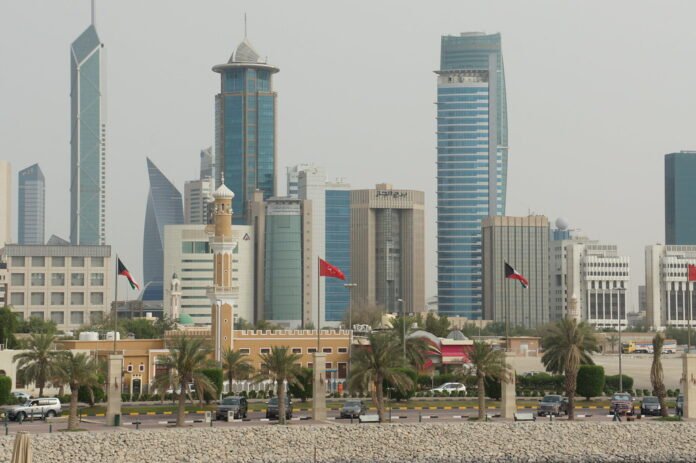
While moving to cambodia for educational purposes provides numerous opportunities to become immersed in a rich culture and rapidly growing region, health care planning has historically been viewed as secondary to arranging living accommodations and registering for courses.
Cambodian health care is also somewhat surprising to new arrivals. On one particular street there may be a small pharmacy providing over the counter medications. Three city blocks from this pharmacy, however, lies a fully functioning and internationally certified private hospital with highly skilled medical professionals. The difference in quality is enormous. Medical emergencies in southeast asia can rapidly increase in severity to a point that could render an underinsured student financially destitute upon arrival in country.
Students arriving in cambodia frequently make their decision based solely on cost. When looking at an annual premium, they simply select the cheapest option and believe they have secured adequate protection. This type of thinking is reckless. An insurance policy is not merely a formality required for entry to cambodia. It is a legally binding contract that determines where you may receive treatment; which party (the provider or the insured) will pay the hospital; and whether or not an emergency evacuation via air ambulance will occur when all local options have been exhausted.
Regardless of whether you are entering as an individual student or accompanied by a spouse and minor children, understanding how your coverage operates allows you to maintain focus on your studies while avoiding the need to negotiate hospital bills.
1. Confirm Visa and Institutional Requirements
Before you spend money on a plan, be sure to read the fine print from your home university; the Cambodia receiving university; scholarship organizations; and the Department of Immigration in Cambodia. The general rule for International Students in Cambodia is that they are required to enter with an Ordinary Visa (Type E), which will need to be converted into an Academic Visa (Type ES) once inside the country. While the Department of Immigration has historically been somewhat lax regarding enforcement of mandatory private health insurance compared to many other countries (i.e., Germany, Australia), universities and scholarships have been very specific about their requirements.
Review these specific administrative parameters:
- Coverage Thresholds: Does your scholarship or university demand a minimum overall medical benefit (for instance,
or
per policy year)?
- Effective Dates: Does the policy start the moment you board your departure flight, or does it activate only upon arrival at Phnom Penh International Airport?
- Mandatory Evacuation Clauses: Many international research institutions will reject any policy that does not explicitly include emergency medical evacuation and repatriation of remains.
- Licensing Jurisdiction: Confirm whether your university accepts policies underwritten by global offshore providers, or if they insist on a policy underwritten by an insurer locally licensed by the Insurance Regulator of Cambodia (IRC).
- Documentation Language: Verify that your insurance certificate, schedule of benefits, and emergency assistance card are available in English. While Khmer is the official language, private hospitals, embassy staff, and academic coordinators process paperwork in English.
- Academic Recesses and Border Crossings: Student life involves travel. Does your policy maintain coverage during semester breaks if you spend three weeks visiting home or traveling through Vietnam and Thailand?
A standard single-trip travel policy will not suffice. Travel insurance is designed for luggage delays, trip cancellations, and initial emergency stabilization. It routinely terminates once an acute emergency ends, and it almost always excludes routine medical upkeep, ongoing specialist care, and chronic conditions.
2. Cambodia’s Healthcare Reality: Public, Private, and Regional Access
To make an informed decision about selecting the right insurance company, you need to be aware of where your actual health care services will be delivered.
Cambodia has a two-tiered health care delivery system. Public hospitals have seen significant growth in their capacity, however there is still a struggle for resources, a lack of adequate diagnostic equipment and most importantly; English fluency from many staff members. Therefore, foreign residents and international students alike primarily seek out private medical establishments.
High-quality diagnostics, international pharmacy inventory levels and English- or French-speaking physicians can be found at reputable private medical centers within Phnom Penh. However, this level of quality decreases dramatically outside of Phnom Penh and Siem Reap. In fact, primary care drastically declines. Most provincial clinics do not consistently possess reliable blood supplies, advanced scan equipment, or qualified trauma surgeons.
If a serious condition or trauma goes beyond what regional providers are capable of treating, the patient is then sent across the border for treatment. For instance, Bangkok and Singapore act as the principal medical hubs for complex heart surgery, severe neurological trauma and highly technical cancer treatments.
Because of this structure, hospital network verification is essential:
- Direct Billing Networks: Private hospitals in Phnom Penh often demand cash or credit card deposits upfront—frequently between
and
—before admitting an inpatient. A policy with an established direct-billing arrangement allows the hospital to bill the insurer directly, sparing you from liquidating your personal savings.
- Pre-Authorization Protocols: For planned hospitalizations, private facilities require an official Guarantee of Payment (GOP) from your insurer. Ensure your provider processes GOP requests within hours, not days.
- Out-of-Network Emergency Protections: If an accident occurs near an out-of-network clinic, does your insurer cover emergency stabilization until you can be transferred to an in-network hospital?
The table below outlines how a standard direct settlement operates during a hospitalization event:
| Stage | Process Step | Responsible Party | Operational Priority |
| 1. Admission | Presentation of policy card and passport at the international admission desk. | Student / Hospital Desk | Immediate verification of valid coverage and member identification. |
| 2. Coordination | Hospital contacts the insurer’s emergency desk for a Guarantee of Payment (GOP). | Hospital & Insurer | Issuing initial GOP within 2 to 4 hours to avoid upfront cash deposits. |
| 3. Inpatient Care | Medical team delivers required surgical or inpatient clinical treatment. | Attending Physicians | Regular updates sent to the insurer’s medical director. |
| 4. Discharge & Settlement | Insurer settles all approved hospital charges directly with the facility. | Insurer & Hospital | Student pays only the pre-agreed deductible or non-medical incidentals. |
3. Prioritise Emergency Evacuation and Repatriation
The medical evacuation benefit of a Cambodian health insurance plan is the most important benefit under the policy. The other benefits are negotiable; however, this benefit is not negotiable.
In a severe automobile accident (or contracting a potentially fatal acute infectious disease), local hospital emergency rooms may not have the resources to provide the level of critical care required for survival. Chartering an air ambulance from Phnom Penh to Bangkok can cost between $ and $ per flight. This amount increases if you are evacuated from one of the remote provinces in Cambodia. Air ambulance charter companies will not send an airplane to evacuate a patient without receiving confirmed payment via wire transfer.
| Evacuation Element | What to Look For in Policy Wording | Common Pitfall |
| Decision Authority | Evacuation determined by attending physician in consultation with insurer’s medical director. | Insurer reserves unilateral right to decline transport if any local clinic is nominally open. |
| Geographic Scope | Evacuation to the “nearest center of medical excellence” (explicitly including Thailand or Singapore). | Policy restricts evacuation solely to the nearest domestic hospital within Cambodia. |
| Transport Logistics | Insurer coordinates and pays the chartered aircraft, ground transfers, and medical escort team directly. | Policy operates on a reimbursement model, requiring you to pay air ambulance fees upfront. |
| Companion Coverage | Travel and basic accommodation expenses paid for a spouse, parent, or designated peer escort. | Companion must fund their own last-minute commercial flights and lodging. |
| Repatriation of Mortal Remains | Full logistical arrangements and expenses covered for returning remains to the student’s home country. | Benefit capped at nominal sums that do not cover international freight and consular clearance fees. |
Be sure to distinguish between medical evacuation and medical repatriation. Evacuation takes you from wherever you are in thailand to Bangkok (or somewhere else) for care that will save your life or limb. Once stabilized enough to travel, repatriation flies you back home. A comprehensive policy should cover both..
4. Deconstruct the Medical Benefits
Insurance contracts are divided into distinct tiers of care. Many students buy inpatient-only cover to minimize upfront expense. That approach carries distinct trade-offs.
| Coverage Tier | Primary Scope | Typical Covered Services | Student Suitability |
| Core Inpatient | Hospital admissions, surgeries, and acute stabilization. | Hospital bed, ICU, surgical suites, emergency evacuation, advanced diagnostic imaging (MRI/CT). | Essential for all students; forms the foundation of any valid risk mitigation plan. |
| Secondary Outpatient | Day-to-day consultations, primary clinic visits, and diagnostic panels. | General physician visits, medical specialist consultations, prescription pharmaceuticals, blood tests. | Optional for healthy single scholars; essential for students with ongoing treatment needs or children. |
| Supplementary Care | Extended rehabilitation, preventative health, and wellness. | Physiotherapy, clinical psychotherapy, tropical vaccinations, routine dental, basic optical care. | Highly recommended for students managing sports recoveries or rigorous academic stress. |
Inpatient Care
This type of coverage will pay medical bills associated with being placed in a hospital bed. Coverage should include, but is not limited to; Room Charges (Private or Semi-Private), Intensive Care Units, Surgical Suites, Anesthesia, Diagnostic Imaging (CT Scan, MRI etc.), Specialist Consultations. Find out what your maximum benefits are. A $5000 per year cap can easily be exhausted in two weeks if you were placed on life support for heart surgery. I would recommend that you try to get as high of a yearly cap as possible. For example, I have seen caps go up to $20,000.00 per year.
Outpatient Care
Outpatient coverage would cover clinic visits, blood tests required for diagnosis, prescribed medications and follow-up exams that don’t necessitate an overnight hospital stay. Standard consultations in Cambodia at reputable international clinics cost , while prescription drugs could add up to . A healthy single student may opt to fund their own routine outpatient care on an out-of-pocket basis; however, if you were to contract a chronic tropical disease (such as dengue fever), the cost of multiple clinic visits with each visit requiring blood platelet testing, as well as IV rehydration therapy would be very expensive.
Ancillary and Modern Health Benefits
- Prescription Medication: Ensure your policy covers original branded medications rather than exclusively mandating generic substitutions, as substandard or counterfeit generics remain an issue in unregulated markets.
- Mental Health: Relocating abroad creates immense stress, culture shock, and isolation. Look for policies that provide coverage for licensed psychotherapy and psychiatric consults, both in-person and via secure telehealth.
- Physical Therapy: Recovery from sports injuries or road accidents requires ongoing rehabilitation. Check for caps on annual physiotherapy visits.
- Preventive Care and Tropical Vaccines: Routine checkups, rabies post-exposure shots, and Japanese encephalitis vaccines save lives. Some comprehensive plans include an annual preventive allowance.
5. Handle Pre-Existing Conditions with Transparency
A pre-existing condition is any health issue, symptom, or injury you experienced before the policy’s effective start date—regardless of whether you received a formal medical diagnosis.
Insurers evaluate pre-existing conditions through two distinct underwriting paths:
- Full Medical Underwriting (FMU): You declare your complete medical history on the application. The insurer reviews medical reports, notes your medications, and returns a clear decision before you pay. They may accept the condition as covered, apply a premium surcharge, or place a specific, written exclusion on that condition. This provides total clarity: you know exactly what is covered before you leave home.
- Moratorium Underwriting: The insurer does not ask for extensive medical files upfront. Instead, they apply a blanket rule: any condition that existed in the 24 to 60 months prior to joining will not be covered until you complete a continuous period (usually two consecutive years) on the policy without symptoms, medical advice, or treatment for that condition.
Never hide a diagnosis. If you omit an asthma diagnosis, a prior knee surgery, or regular use of an anti-depressant, the insurer can investigate your medical records during an emergency claim. If they uncover material non-disclosure, they can void the entire policy immediately, refuse all payments, and leave you responsible for all hospital debts.
If you are changing insurers, never cancel your existing policy until the new provider has issued a binding certificate of coverage that specifies how your medical history is managed.
6. Single vs. Family International Student Priorities
A student moving alone evaluates risk differently than a student managing a spouse and school-aged children. A solo student can absorb minor logistical inconveniences; a family cannot.
| Feature | Single Student Priority | Student Family Priority |
| Primary Risk Driver | Severe trauma, road accidents, sudden acute illness, medical evacuation. | High-frequency outpatient needs, childhood ailments, domestic emergencies. |
| Baseline Core Cover | Inpatient hospital care, major surgery, regional emergency evacuation. | Comprehensive inpatient, outpatient, vaccinations, and pediatric trauma. |
| Outpatient Necessity | Optional. Can self-fund routine minor clinic visits to lower premium. | Highly recommended. Clinic visits for children occur multiple times per year. |
| Deductible Structure | High individual deductible works well to keep the policy premium low. | Aggregate family deductible or low per-person deductible is safer. |
| Maternity Provisions | Generally irrelevant unless family planning intersects with study years. | Vital if pregnancy is possible; must be arranged well before conception. |
| Geographic Access | Near university campus, main urban center, and popular transit corridors. | Proximity to international schools, family housing, and pediatric centers. |
| Administrative Load | Single profile, simple digital app claims, individual tax invoice. | Managing separate records, birth certificates, and claims for every dependent. |
7. Dependent Healthcare: Children, Partners, and Maternity
Insuring a family in Cambodia demands forensic scrutiny of policy fine print. Dependent coverage is not a copy-paste addition to a student policy; it introduces distinct medical and financial considerations.
Pediatric Requirements
Children fall sick quickly. In Southeast Asia, pediatric care requires access to immediate, reliable triage. Ensure your policy covers:
- Routine and Emergency Pediatric Consultations: In Phnom Penh, top pediatric clinics maintain round-the-clock emergency desks.
- Standard Childhood Immunizations: Check if your plan covers international vaccination schedules (including MMR, DTP, hepatitis, and varicella).
- Accidental Trauma and Sports Coverage: Children break bones and sustain cuts on playgrounds. Ensure coverage for emergency stitches, casting, and surgical setting without restrictive sports exclusions.
- Congenital Condition Provisions: Check if the policy places low sub-limits on developmental conditions or unexpected congenital disorders that emerge during your study period.
Partner or Spouse Care
Partners often face structural isolation if their visa restricts local employment. Ensure the policy includes outpatient consultations, comprehensive mental health support, and regular preventative health screenings. If your partner relies on daily prescription drugs, confirm that those specific formulations can be imported legally and purchased through approved local providers.
Maternity and Newborn Protection
Maternity coverage is one of the most misunderstood components of international health insurance. Insurers do not cover ongoing pregnancies as an unexpected medical event.
| Timeline Phase | Policy Status | Eligible Maternity Benefits |
| Months 0 to 10–12 | Mandatory waiting period in effect. | No pregnancy-related expenses covered; prenatal checkups excluded. |
| Months 10–12 | Waiting period concludes. | Policy activates formal maternity benefit eligibility. |
| Month 12 and Beyond | Active coverage during pregnancy. | Antenatal checkups, routine delivery, emergency C-sections, and NICU covered. |
Almost every international health insurance policy imposes a strict waiting period of 10 to 24 months on maternity benefits. This means you must hold and pay for the policy for nearly a year before you even conceive.
If maternity is relevant to your household, scrutinize these line items:
- Antenatal and Postnatal Limits: Ultrasound examinations, gestational diabetes screening, and routine midwife consultations.
- Delivery Allowances: Clear distinctions between routine vaginal delivery and emergency caesarean sections.
- Neonatal Intensive Care (NICU): This is the ultimate financial exposure. Premature birth or neonatal distress can require weeks in a specialized incubator, easily generating bills surpassing
. Ensure newborn care has its own distinct, robust benefit limit rather than sharing a small maternity sub-limit.
8. Calculate the Real Cost of Ownership
The cheapest policy rarely remains the cheapest after your first clinic visit. To understand what you will actually pay, calculate your Total Cost of Ownership (TCO).
Deductibles and Excesses
A deductible is the sum you must pay out of your own pocket before the insurer contributes a single dollar.
- Per-Year Deductible: You pay the set amount once during the 12-month policy cycle. Once satisfied, all subsequent covered claims are paid at 100%. This is favorable for people with ongoing medical needs.
- Per-Condition / Per-Claim Deductible: You pay the deductible every time you present with a new illness or visit a new doctor. If you contract an ear infection in November and fracture your wrist in February, you pay the deductible twice. Avoid this structure if possible.
- Family Deductibles: If you are moving with dependents, check whether the policy features a consolidated family deductible. A plan that requires each family member to clear an individual
deductible before paying out creates heavy financial strain.
Co-Payments and Co-Insurance
A co-payment is a fixed amount to be paid for each clinic visit (e.g. every time you go to your doctor). Co-insurance means that there is a proportionate share of costs paid by both parties (i.e., the health care provider pays 80% of a bill, and you pay 20%, etc.). Since the 20% portion of an outpatient hospital charge of is basically insignificant, it would cost you almost nothing. The same 20% co-insurance provision applied to an emergency inpatient hospital charge of in Bangkok would leave you owing $1,000.00.
Currency and Administrative Fees
Most well-established policy options for international students in Cambodia are paid for in U.S. dollars (USD) that fit within the existing dual-currency economic system of Cambodia. Thus if you have a bank account at home in Europe, Australia, etc., be prepared to pay exchange rate fluctuations on currency conversions, bank fees for wiring money internationally, and potential service fees associated with using a credit card to make payments or receive a check for reimbursement.
9. Avoid Costly Exclusions and Navigate Travel Clauses
Insurance contracts are defined by what they refuse to pay. In Southeast Asia, lifestyle factors intersect with standard exclusion clauses in ways that routinely catch international students off guard.
| High-Risk Category | Insurer Policy Condition | Critical Risk Factor |
| Two-Wheeled Transport | Must possess a valid local or recognized license; mandatory helmet compliance. | Leading cause of expatriate trauma; claims denied if unlicensed or unhelmeted. |
| Adventure & Water Sports | Uncertified diving, trekking without registered guides, or extreme sports excluded. | Evacuation and trauma costs must be funded out of pocket without specific riders. |
| Alcohol & Substance Use | Claims involving intoxication or unprescribed controlled substances are voided. | Blood-alcohol tests routinely conducted by hospital trauma desks upon admission. |
| Territorial Scope | Treatment received outside designated regional coverage zones. | Cross-border vacation accidents left unprotected if outside geographic boundaries. |
Motorbike and Scooter Incidents
Motorbikes are an efficient way to navigate Phnom Penh, Siem Reap, and rural provinces. They are also the leading cause of catastrophic injury among expatriates in Cambodia.
Insurers enforce strict exclusions regarding two-wheeled transport:
- Licensing: You must possess a valid, recognized motorcycle license. Riding a 125cc scooter on an ordinary automobile license from your home country often invalidates your claim.
- Helmet Compliance: If medical notes indicate you were not wearing a helmet during a crash, the insurer will routinely decline to pay your neurological and trauma bills.
- Alcohol Thresholds: If an accident occurs after you have consumed alcohol, the entire claim will almost certainly be rejected under standard intoxication exclusions.
Regional Travel and Border Restrictions
Students in Cambodia frequently travel to neighboring countries during university breaks. Review your policy’s geographical zone of coverage:
- Zone Options: Common international classifications include Worldwide, Worldwide Excluding USA/Canada, and Southeast Asia Only. A regional Southeast Asia policy is often cost-effective, but ensure it does not exclude high-tier hospitals in Thailand or Singapore.
- Trip Duration Limits: If your plan is an expatriate student policy, ensure it covers cross-border travel for academic conferences or vacations up to 30, 60, or 90 continuous days.
10. Service Delivery, Claims Handling, and Insurer Solvency
A glossy brochure means nothing if an assistance coordinator in a distant time zone refuses to answer the telephone at 3:00 AM on a Sunday.
Before choosing a provider, test their customer support infrastructure:
- 24/7 Multilingual Emergency Centers: Can you speak immediately with an operator who can issue an emergency guarantee of payment to a hospital in Phnom Penh?
- Digital Claim Platforms: Avoid insurers that demand original paper receipts submitted via international postal courier. Look for modern mobile apps that allow you to photograph an invoice, upload the medical chart, and receive reimbursement via direct bank deposit within five to seven business days.
- Clear Dispute Processes: Does the insurer belong to an independent ombudsman scheme? If a claim is denied, do you have a formal right of appeal?
- Corporate Financial Strength: Check the financial ratings of the underwriter behind the policy (such as ratings from A.M. Best or Standard & Poor’s). A rating of “A-” or higher demonstrates the financial capital needed to settle massive claims reliably during international crises.
- Portability: If your academic research requires you to spend your second year in Vietnam, Malaysia, or your home country, can you transfer your existing health coverage seamlessly without undergoing new medical underwriting?
The Practical Pre-Purchase Checklist
Before committing your funds, verify every answer to these questions in writing:
- Compliance: Does this policy satisfy every visa, scholarship, and host university documentation rule?
- Direct Billing: Which specific hospitals in Phnom Penh and Siem Reap will accept direct settlement for inpatient care?
- Evacuation Coverage: Does the policy guarantee emergency aeromedical evacuation to Bangkok or Singapore, with minimum coverage of at least
?
- Pre-Existing Terms: Are your known medical conditions covered, excluded, or managed via an underwriting moratorium?
- Deductible Application: Does your deductible apply on an annual basis, or will you pay it every time you make a claim?
- Motorbike Rules: Are you fully protected on a motorbike, and what licensing criteria apply?
- Dependent Outpatient: If moving with family, does the outpatient limit sufficiently cover multiple pediatric clinic visits and prescriptions?
- Maternity Reality: If starting a family, has the waiting period cleared, and are neonatal intensive care costs included?
- Regional Transit: Does coverage continue without interruption during personal travel to neighboring countries?
- Claims Submission: Can you submit outpatient claims electronically without mailing physical documents overseas?
Choosing health insurance for Cambodia requires looking past marketing promises and focusing entirely on policy mechanics. Prioritize emergency evacuation, demand clear inpatient direct-billing networks, and confirm that your daily living risks are fully accounted for in writing. Approaching your coverage with diligence safeguards your health, your savings, and your academic path.
References
- AXA Global Healthcare. (n.d.). Health insurance in Cambodia for expats. Retrieved October 1, 2026, from https://www.axaglobalhealthcare.com/en/international-health-insurance/cambodia/
- Cigna Global. (n.d.). Choosing an international health insurance plan. Retrieved October 1, 2026, from https://www.cignaglobal.com/resources/choosing-the-right-health-insurance
- Cigna Global. (n.d.). Cambodia: Country guide. Retrieved October 1, 2026, from https://www.cignaglobal.com/country-guide/asia/cambodia-country-guide
- ExpatDen. (2026, June 17). Health insurance in Cambodia: What you need to know in 2026. https://www.expatden.com/cambodia/expat-health-insurance-in-khmer/
- Expatolog. (2026, June 1). Expat health insurance comparison for Cambodia (2026). https://kh.expatolog.com/en/daily-life/health/insurance-comparison/
- Now Health International. (n.d.). International health insurance for individuals and families in Cambodia. Retrieved October 1, 2026, from https://www.now-health.com/en/countries-we-cover/cambodia/
- Pacific Prime. (2025, January 1). Cambodia health insurance for expats. https://www.pacificprime.com/country/asia/cambodia-health-insurance-pacific-prime-international/
- Riviera Expat. (2025, October 5). Expat insurance Cambodia: A guide to elite coverage. https://www.riviera-expat.com/expat-insurance-cambodia/