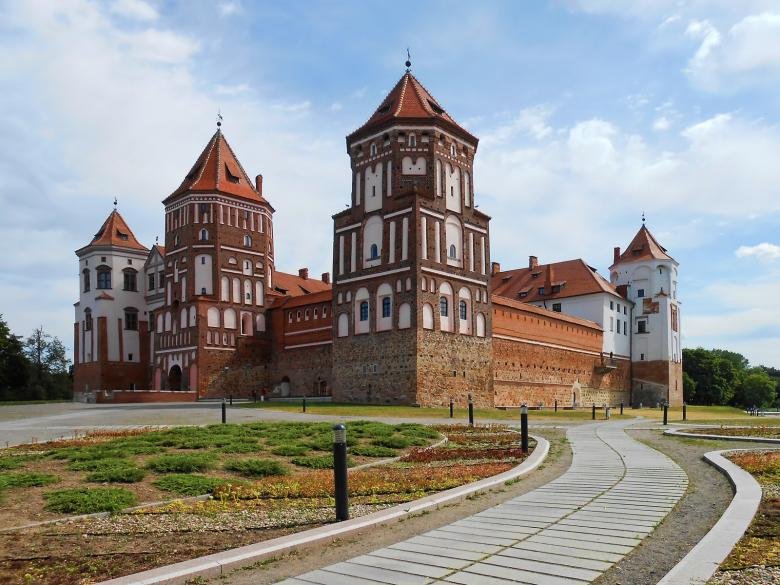
Studying Abroad can be an incredibly life-changing event for many people. Belarus has become a rapidly increasing number of International Students have been attending this Country’s highly regarded Medical, Technical and Classical Universities each year. These Universities offer high quality education at a cost that is less than half that of Tuition in many countries of Western Europe.
However, there are numerous Administrative Hurdles when relocating to a foreign Country. One of the most important Administrative Hurdles is obtaining proper Health Insurance. While Health Insurance may be a very Personal Issue, in Belarus; obtaining Health Insurance is also required by Law.
As either a single student, or a couple with children relocating to a Foreign Country; comprehending how the Local Health Insurance System works will likely be one of the most important aspects to consider. The information contained within this Guidebook provides all the necessary information regarding the Legal Requirements associated with Health Insurance in Belarus. Additionally, this Guidebook provides a comparison of some of the Top Local Health Insurance Providers. The Guidebook includes details regarding what you would expect from your Policy. Finally, this Guidebook contains a Step-By-Step Roadmap to assist you in protecting yourself while living in Belarus.
1. The Legal Groundwork: Mandatory Insurance Requirements
You can’t get around having health insurance in Belarus; there are no exceptions under the laws of Belarus. All foreign students in Belarus are bound by Presidential Decree No. 530 that mandates all foreign students have some type of medical coverage. A valid health insurance policy is required as part of the process of obtaining a student visa, entering the country, and completing registration with your university.
Don’t wait until you arrive at your destination to take care of this. University administration and border control will be checking documents right away.
Your medical insurance needs to meet four very specific and unyielding requirements set out by the government of Belarus.
The Four Pillars of Compliance
- Minimum Coverage Limit: Your policy must provide a minimum coverage limit of €10,000 (approximately $11,000 USD). This is the baseline fund reserved to cover emergency medical services, transport, and sudden illness.
- Geographical Validity: The policy documentation must explicitly state that its validity extends to the “Republic of Belarus.” General terms like “Worldwide Coverage” or “Europe” are frequently rejected by Belarusian border control unless Belarus is named individually.
- Validity Period: The policy must span the entire duration of your academic stay. If your visa is for one year, your policy must cover all 365 days. Gap periods are not permitted.
- Specific Document Details: Your physical or digital insurance card is not enough. You must possess an official policy certificate. This certificate must clearly display your full name, the insurance company’s official name, address, and contact details, the territorial scope, the exact validity dates, and the maximum coverage limit.
What Does It Cost?
Fortunately, student health insurance in Belarus is remarkably affordable compared to global averages. A compliant, basic policy for a single international student generally costs between $170 and $185 USD per year (€150 to €170). This translates to roughly $15 per month. It is a minor expense that prevents massive legal and financial headaches down the road.
2. The Single Student Blueprint: Coverage, Limits, and Providers
If you are coming to Belarus alone, your primary goal is to find a budget-friendly policy that meets legal guidelines while offering practical utility. But what does a standard policy actually do for you? Let us look at the realities of the Belarusian healthcare system.
The Scope of Standard Coverage: What is Included?
Belarusian student insurance is designed around acute care and unexpected medical crises. It is not a comprehensive, all-inclusive health plan.
Standard Student Health Insurance
├── INCLUDED (Acute & Emergency Care)
│ ├── Outpatient polyclinic consultations
│ ├── Home doctor visits (for severe fevers/illness)
│ ├── Emergency ambulance transport
│ ├── Inpatient hospital treatment
│ └── Essential diagnostic lab tests
│
└── EXCLUDED (Elective & Chronic Care)
├── Planned/elective surgeries
├── Non-emergency dentistry (except acute pain)
├── Cosmetic procedures
├── Pre-existing chronic diseases
└── Specialized gynecological or mental health therapy
Your insurance policy provides protection from severe flu cases. In this case, you could either visit a nearby polyclinic or arrange for a physician to visit you at your dorm. However, if you need to manage your chronic condition, that you had before arriving in Belarus, you will be responsible for the cost. Policies typically include exclusions for all planned surgical procedures, routine dental cleaning services, cosmetic treatments, and extended mental health services.
Evaluating the Top Belarusian Insurers
While you can purchase compliant foreign insurance, most international students buy policies directly from Belarusian state-accredited providers. These local companies have direct integration with local hospitals, minimizing paperwork and delays. Four major providers dominate the market:
1. Belgosstrakh (Belgosstrakh)
This is the largest, state-owned insurance provider in the country. It is widely regarded as the most reliable option for foreigners. Because of its massive scale, almost every state hospital and clinic in Belarus recognizes Belgosstrakh instantly. Their claims process is highly standardized. If you want a hassle-free registration process at your university, this is your safest choice.
2. Kupala (ZASO “Kupala”)
Kupala is a highly reputable private insurer with strong financial backing. They are known for offering slightly more flexible customer service and faster digital processing. Many students choose Kupala for their straightforward renewal procedures and helpful, modern user interfaces.
3. Ingosstrakh
Another major player in the Belarusian market, Ingosstrakh provides highly competitive rates for international students. They feature strong networks in regional university cities like Grodno, Brest, and Gomel, making them an excellent choice if you are studying outside the capital city of Minsk.
4. Beleximgarant (Beleximgarant)
As one of the major state-backed insurers, Beleximgarant is highly specialized in foreign trade and expatriate services. Their policies are fully compliant with immigration authorities, and they offer robust support structures for international clients.
Language and Infrastructure Realities
You’ll want to get used to the language environment of Belarusian health care. Most physicians at government run polyclinics are fluent in either Russian or Belarusian.
Russian has become my primary language since I have no knowledge of Belarusian. This makes visiting state clinics very nerve wracking. Fortunately, there are many good private medical facilities in large cities — especially Minsk.
These include some of the best private medical facilities such as Lode, Nordin, and Eco-Medservice. All three provide well-educated, English speaking employees; use modern equipment; and operate with western standards of service. As an additional consideration you should know that most “standard” student insurance policies do not cover the cost of visiting a private clinic directly. Therefore you would need to personally pay for the consultation and then turn the receipt over to your insurance company (or purchase a premium policy add on that covers private network clinics).
3. Bringing the Family: Extended Needs and Multi-Person Policies
Securing insurance becomes significantly more complex if your spouse or children are joining you in Belarus. While the university will help facilitate your visa, you are entirely responsible for your family’s healthcare logistics.
Family Policy Availability and Limits
In addition, most insurance companies do not offer a family policy in Belarus. Therefore, generally speaking, if you want to purchase health insurance for all members of your family (children and adults), you need to purchase an individual plan for each family member.
Additionally, there is no way to obtain one single €10,000 limit on your policy which can be shared by all members of your family. Each member of your family, including children, needs his/her own separate €10,000 minimum coverage certificate to meet both registration and immigration requirements. Your overall yearly insurance costs should increase proportionally to the number of people in your household. For example, as a family of three, you would likely spend approximately $510 to $550 U.S. dollars per year for basic coverage.
Addressing the Coverage Gaps
Children and spouses have healthcare needs that differ significantly from those of a typical twenty-year-old student. A basic student policy will leave your family exposed to high out-of-pocket costs. To keep your family protected, you should consider purchasing extended riders or specialized private add-ons in several key areas:
- Pediatric and General Medicine: Children get sick frequently. Standard policies cover emergency pediatric visits, but they do not cover routine developmental checkups or developmental vaccinations.
- Dental Add-ons: Children and adults alike will inevitably need dental care. Basic policies only cover emergency tooth extractions for acute pain. A dental rider is highly recommended if you want coverage for fillings, cleanings, and preventative care.
- Maternity Care: If you or your spouse plan to expand your family while in Belarus, a standard policy will not suffice. Prenatal care, routine ultrasounds, and childbirth are excluded from basic plans. Maternity policies usually have waiting periods, meaning you must purchase them well before pregnancy begins.
- Pre-existing Conditions: If a family member manages a chronic condition like asthma or diabetes, ensure you purchase a policy rider that covers the stabilization of chronic illnesses. Otherwise, even emergency care related to that condition might be contested by the insurer.
4. The CIS Exemption: A Privilege, Not a Safety Net
Are you a citizen of a Commonwealth of Independent States (CIS) nation, such as Armenia, Kazakhstan, Kyrgyzstan, or Tajikistan? If so, your insurance landscape is slightly different.
Thanks to bilateral and multilateral agreements signed between CIS member states, citizens of these countries are not legally forced to purchase mandatory Belarusian health insurance. You can register at your university and secure your residency permit without showing a local insurance policy.
However, relying entirely on this exemption is a risky strategy.
The bilateral treaties only guarantee free emergency medical aid. If you are in a life-threatening accident, a Belarusian ambulance will collect you, and a state hospital will stabilize you without charge. But the moment your condition is no longer critical, free care stops.
Any follow-up treatments, prescriptions, diagnostic tests, or polyclinic consultations must be paid for out of pocket. For CIS students, buying a standard, low-cost local insurance policy is still highly recommended. It provides a vital safety net for everyday medical needs.
5. Step-by-Step Action Plan: Securing Your Policy
Do not leave your health insurance to the last minute. Follow this step-by-step roadmap to ensure you are fully protected and legally compliant before classes begin.
Step-by-Step Insurance Timeline
├── 1. Contact University International Office (Get approved local provider list)
├── 2. Evaluate Local Providers (Belgosstrakh, Kupala, etc. vs. Accredited Foreign Policy)
├── 3. Review Exclusions & Add-ons (Check dental, maternity, or private clinic options)
├── 4. Purchase Policy & Secure Documents (Ensure name, dates, & €10,000 limit match passport)
└── 5. Keep Documents Accessible (Store digital copies & emergency numbers on your phone)
Step 1: Contact Your University’s International Office
Before you spend a single ruble, contact the international relations department at your Belarussian university to see if they will send you a list of insurance providers that are recommended by them. There may be some universities which have an established relationship with one provider (Belgosstrakh) therefore buying from them could potentially reduce your cost slightly in addition to making it easier for you to complete your required documentation for registering with local authorities.
Step 2: Decide Between Local and Foreign Providers
What are the advantages and disadvantages to each option? If you purchase a policy from an international insurance provider in your home country, it is essential that they have a “certified local partner” or registered representative office within Belarus. If this is not possible, then border authorities may reject your insurance as invalid. A local policy purchased by 90% of students through Belgosstrakh or Kupala on line or when arriving at Minsk Airport appears to be the best option for many.
Step 3: Audit the Policy Exclusions
Read the fine print. Never buy a policy based on the price tag alone. Ask the insurer directly:
- What is the exact process if I need to see a doctor at 2:00 AM?
- Are diagnostic tests like MRIs and ultrasounds covered under this plan?
- What local pharmacies accept your direct-billing system for prescriptions?
Step 4: Verify Your Paperwork
Once you receive your policy document, cross-reference every detail with your passport. A single spelling mistake in your name or an incorrect passport number can cause border officials to reject your document, leading to long delays at the airport. Ensure the coverage dates precisely match or exceed your travel itinerary.
Step 5: Master the Claims Process
Do not wait for an emergency to learn how your policy works. If you feel sick:
- Call your insurer first: Dial the 24/7 emergency assistance number printed clearly on your policy document.
- Explain your symptoms: The operator will direct you to an approved local clinic or hospital that has an active contract with them.
- Get a referral: If you need specialized care, ensure the primary care doctor provides a formal referral.
- Bring your documents: Always bring your physical passport and your insurance policy to every medical appointment.
By understanding these regulations and choosing the right coverage, you can focus on what truly matters: your education and enjoying your time in Belarus.
References
- Belarus Embassy. (2023). Visa requirements. Embassy of the Republic of Belarus in the United States. https://usa.mfa.gov.by/en/usa/visa/
- BelarusBank. (n.d.). Voluntary insurance of medical expenses. https://belarusbank.by/en/individuals/11159
- City Clinical Hospital. (2025). Voluntary medical insurance. https://6gkb.by/en/paid-services/paid-medical-services-programs/health-insurance
- European Commission. (2019). Health insurance and medical care for foreign students. MyUniver.org. https://myuniver.org/en/info/strahovanie-i-meditsinskaya-pomosch
- Government of the United Kingdom. (2025, December 14). Health – Belarus travel advice. FCDO Foreign Travel Advice. https://www.gov.uk/foreign-travel-advice/belarus/health
- Minsk Regional Polyclinic. (2025, February 4). Health services in Minsk: where, when and how to get help. MyUniver.org. https://myuniver.org/en/articles/meditsinskie-uslugi-v-minske-gde-kogda-i-kak-poluchit-pomoshch
- Minsk Regional Polyclinic. (2024, September 25). Medical institutions in Minsk for foreign students. MyUniver.org. https://myuniver.org/en/articles/meduchrenovaniya-v-minske-dlya-inostrannyh-studentov
- Minsk Regional Polyclinic. (2025, June 18). Health insurance for international students in Belarus: How it works. MyUniver.org. https://myuniver.org/en/articles/how-does-medical-insurance-work-for-international-students-in-belarus-ev
- OMR (Republican Oncological Medical Center). (n.d.). Medical insurance for foreign citizens. https://omr.by/for-patients/for-foreign-subjects-1/services-for-foreign-citizens/medical-insurance
- Study in Belarus. (2017, March 23). Health services. http://studyinby.com/en/life-in-belarus/health-services/
- SwissCare. (2024). Healthcare in Belarus: Visitor guide. Nomedic. https://nomedic.co/travel/belarus
- The Pinnacle List. (2024, December 31). A complete guide to choosing the right health cover for international students. https://www.thepinnaclelist.com/articles/a-complete-guide-to-choosing-the-right-health-cover-for-international-students/