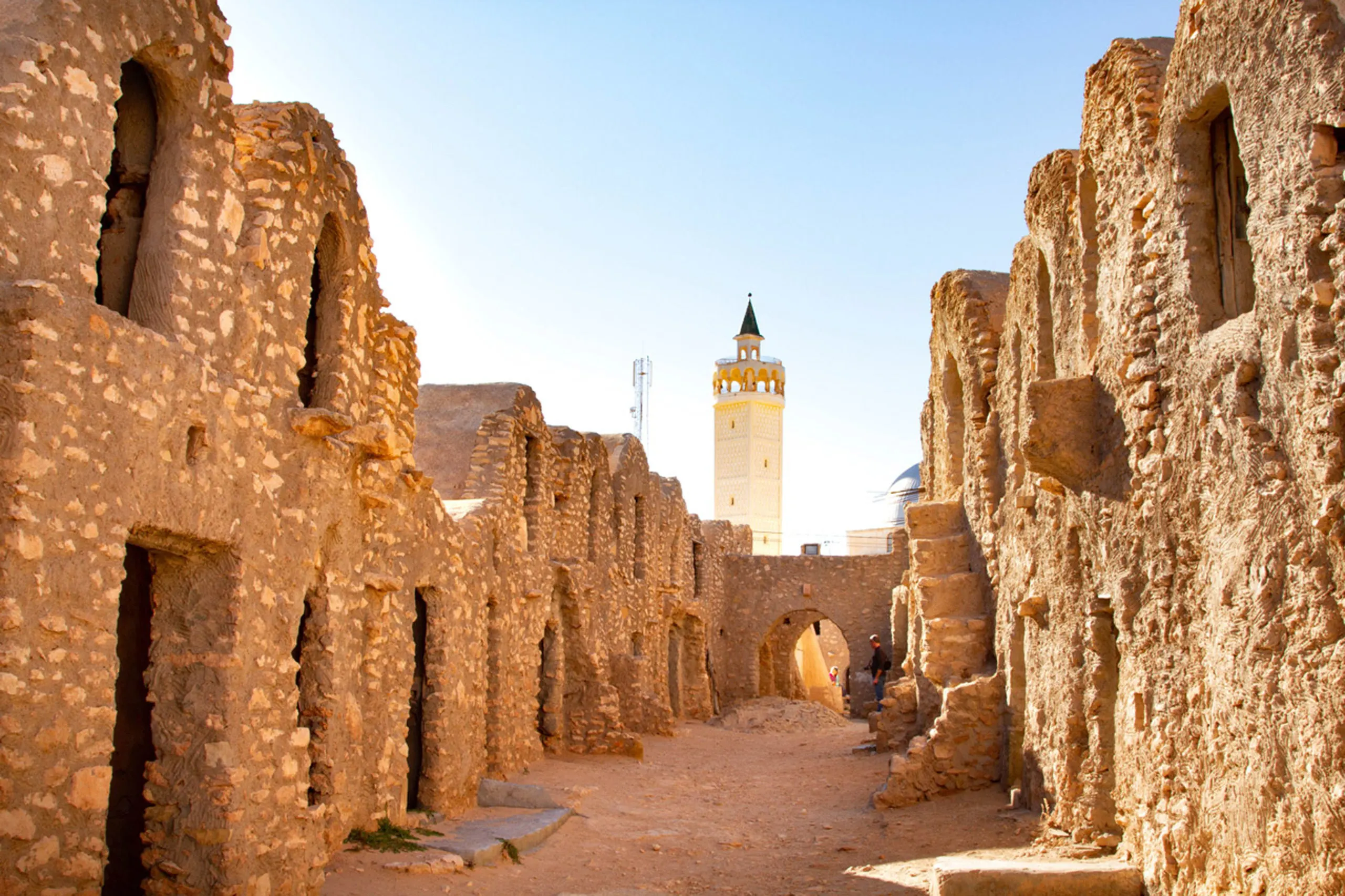
Relocating to Tunisia for school is a chance for so many new things – rich history, beautiful beaches and cities and top rated schools. However, navigating a new health care system can be overwhelming. Emergency visits don’t happen at your convenience. A spontaneous high temperature from something as simple as a cold or an injury from falling while traveling on a Saturday morning needs immediate care.
Never make an important decision without being sure. The correct choice of medical coverage in Tunisia depends on knowing what type of visa you have (or need), where you go to get treatment, what that treatment includes and how long it takes before that treatment kicks in. This information outlines your choices, explains how much money each option may cost, and identifies all of the most important aspects of your medical coverage to protect both your health and financial stability.
1. Visa Requirements vs. Healthcare Realities in Tunisia
One of the most popular misconceptions about incoming international students is that health insurance is required when entering Tunisia. Although Tunisian consular authorities legally don’t always require evidence of having a private medical insurance plan in order to be issued with an ordinary student visa, it would be unwise to rely solely upon this legal flexibility.
Tunisia has two different types of healthcare systems; a public one and a very developing private one.
The Local Public System (CNAM)
tunisia’s national health insurance fund, cnam, provides coverage for citizens and legal residents of tunisia that are contributing members to the country’s social security system. while theoretically foreign students have access to public hospitals as part of their tuition fees; it is extremely difficult to receive adequate care in these environments due to a variety of operational issues.
the primary issue with receiving care at a public facility is the level of crowding. in many cases, especially in urban areas such as tunis, sousse, and sfax, waiting periods for non emergency appointments can take anywhere from several weeks to months. specialized medical equipment also may not always be available within some public clinic settings.
The Private Healthcare Sector
While public hospitals are generally overcrowded and poorly equipped, many of the country’s private clinics and polyclinics offer superior quality care. Many of Tunisia’s specialist doctors have received their education in Europe. As such, many of these facilities meet (or exceed) those found in Western Europe with respect to state of equipment, comfort of patient accommodations and multilingualism of staff.
But this comes at a cost. All private clinics will require either an up-front payment or a letter confirming that you hold a valid policy underwritten by one of the “approved” insurers before allowing you to be admitted. Even a short period of time spent in a Tunisian private clinic may result in significant out of pocket expense if you do not have adequate private insurance.
2. Local Student Insurance vs. International Expat Plans
When evaluating insurance options, you will face a primary choice: enroll in a local student policy offered by a Tunisian insurer or purchase an international expat policy. Each model serves distinct needs, budgets, and travel patterns.
CHOOSE LOCAL
* Based full-time in Tunisia
* Budget-conscious ($15 – $35 / month)
* Fluent or comfortable with French/Arabic administration
* Rarely travel outside Tunisia during the academic year
CHOOSE INTERNATIONAL
* Frequent travel to home country or Europe
* Require high-limit coverage, evacuation, or repatriation
* Prefer English-language 24/7 support and direct billing
* Need comprehensive coverage for a spouse and dependents
Option A: Local Student Health Insurance (Tunisia-Focused)
Local insurers offer tailored health products specifically designed for students enrolled in Tunisian universities.
- Primary Providers: Prominent local insurers include GAT Assurances (featuring their Vialis Étudiants package) and Maghrebia (often integrated with third-party administrators like MSH International for their CHAMEL product).
- Coverage Scope: These plans focus on care delivered within Tunisia. They cover general practitioner consultations, specialist visits, prescription medications, laboratory diagnostics, radiology, hospital stays, and emergency surgical interventions. Basic dental and optical benefits are frequently included, subject to modest annual caps.
- Claims & Reimbursement: Most local plans operate on a fee-for-service reimbursement model. You pay the physician or clinic directly, collect itemized receipts and medical forms (feuilles de soins), and submit them to the insurer. Local claims processing typically takes 10 to 14 business days.
- Cost: Highly affordable. Local student plans generally cost between $15 and $35 per month (45 to 110 TND/month), depending on your age and selected benefit caps.
- Best Fit: Ideal for single students on strict budgets who plan to reside full-time in Tunisia, feel comfortable managing French-language administrative paperwork, and do not require travel coverage abroad.
Option B: International Expat Health Insurance
International policies cater to global mobility, offering seamless coverage across borders.
- Primary Providers: Leading global insurers include Cigna Global, Allianz Care, Bupa Global, IMG Global, Mondassur, and Indigo Expat (which offers the Indigo Expat Junior plan for students aged 18 to 30).
- Coverage Scope: These plans cover medical care in Tunisia, your home country, and additional regional zones (such as Western Europe). They feature higher annual benefit limits (often ranging from $1,000,000 to unlimited), comprehensive inpatient and outpatient coverage, advanced diagnostic imaging, mental health support, and critical emergency medical evacuation benefits.
- Claims & Reimbursement: International insurers maintain direct billing networks with major private clinics across Tunisia. For inpatient admissions, the clinic bills the insurer directly, eliminating large upfront cash payments. Customer service centers operate 24/7 in multiple languages, including English.
- Cost: Higher financial commitment. Comprehensive international coverage ranges from $50 to $130 per month for young, single applicants, and scales higher for older students or family packages.
- Best Fit: Essential for students who travel frequently between North Africa and Europe, those with dependents, individuals who prefer English support, and anyone requiring guaranteed medical evacuation coverage.
3. Scrutinizing the Policy Wording: Critical Coverage Components
Insurance contracts are defined by their fine print. Before committing to a policy, carefully evaluate these core components to prevent unexpected claim denials.
INPATIENT & OUTPATIENT CARE
(Surgery, ICU, Specialist Visits)
EMERGENCY EVACUATION & REPATRIATION
(Transport to specialized facilities)
DIAGNOSTICS & PHARMACY EXCLUSIONS & WAITING PERIODS
(Labs, Scans, Prescriptions) (Pre-existing conditions, Maternity)
Core Inpatient and Outpatient Benefits
Ensure the policy clearly defines covered medical expenses. Inpatient coverage must include intensive care units (ICU), operating room fees, surgeon honoraria, and private room accommodation. Outpatient care should cover specialist consultations without requiring a prior referral from a general practitioner, alongside laboratory analyses, MRI scans, and ultrasound diagnostics.
Emergency Medical Evacuation and Repatriation
This clause is non-negotiable. While Tunisia boasts excellent private medical facilities, complex neurological, cardiac, or traumatic cases may necessitate transfer to a specialized European hospital. Ensure your policy includes:
- Unlimited or high-limit Medical Evacuation (arranging air ambulance transfer to the nearest qualified medical center).
- Repatriation of Remains (covering transportation costs to your home country in the event of fatal circumstances).
Pre-Existing Conditions and Waiting Periods
A pre-existing condition is any health issue you experienced or received treatment for prior to the policy start date. Local student policies often exclude pre-existing conditions entirely.
International plans may cover pre-existing conditions, but they usually apply one of three methods:
- Full Exclusion: The condition and related complications are permanently excluded.
- Medical Underwriting: Coverage is granted after a thorough medical review, sometimes accompanied by a premium loading.
- Waiting Periods: Coverage for pre-existing conditions kicks in only after a mandatory continuous coverage period (typically 6 to 24 months).
Mental Health and Wellness
Academic pressure, cultural adaptation, and isolation can impact mental well-being. Look for policies that explicitly include coverage for outpatient psychotherapy, psychiatric consultations, and inpatient mental health care. Many basic student plans omit mental health entirely or cap benefits at minimal amounts.
4. Navigating Provider Networks and Care Access in Tunisia
Knowing where to seek treatment in Tunisia saves critical time during a medical emergency.
Key Medical Centers and Regional Distribution
The majority of top-tier private clinics are concentrated in major urban centers:
- Tunis Metropolitan Area: Home to premier facilities such as Clinique Saint Augustin, Clinique Carthagene, and Polyclinique Les Jasmine. These centers handle complex surgeries and maintain 24/7 emergency rooms.
- Sousse and Monastir: Facilities like Clinique Les Oliviers in Sousse serve students located along the central coast.
- Sfax: Clinique Ibn Nafis offers comprehensive medical services for students studying in southern academic hubs.
TUNIS SOUSSE / MONASTIR SFAX
——————- ——————- ——————-
Clinique Carthagene Clinique Les Oliviers Clinique Ibn Nafis
Clinique St. Augustin Polyclinique Centre Clinique Al Bassatine
Polyclinique Les Jasmines
Direct Billing vs. Out-of-Pocket Reimbursement
Understanding how payment flows at the point of care prevents financial strain:
- Direct Billing (Garantie de Prise en Charge): For scheduled hospitalizations or major emergency admissions, international insurers (and select local insurers with direct agreements) issue a guarantee of payment letter directly to the clinic. The hospital bills the insurer, and you only pay non-covered incidental costs or agreed co-payments upon discharge.
- Out-of-Pocket Reimbursement: For standard outpatient doctor visits, diagnostic tests, and pharmacy prescriptions, you must pay the medical provider upfront in cash (Tunisian Dinars). You then compile your receipts, prescriptions, and completed claim forms to request reimbursement.
Pro Tip: Always carry a physical copy of your insurance card, a government-issued photo ID, and a small cash reserve (300–500 TND) for immediate outpatient fees or initial emergency room admission deposits.
5. Cost Benchmarks, Excesses, and Financial Logistics
Balancing monthly premiums against potential out-of-pocket expenses requires careful financial planning.
| Plan Category | Typical Monthly Cost (Single) | Typical Monthly Cost (Family of 3) | Target Deductible Range | Primary Payment Currency |
| Local Tunisian Plan (e.g., GAT Vialis) | $15 – $35 | $50 – $100 | Low ($0 – $50) | Tunisian Dinar (TND) |
| Mid-Tier International (e.g., Indigo Expat) | $50 – $85 | $180 – $320 | Moderate ($100 – $250) | EUR / USD |
| Premium International (e.g., Cigna / Bupa) | $90 – $160 | $350 – $600 | Flexible ($0 – $1,000) | EUR / USD / GBP |
Excess (Deductible) and Co-Payments
- Deductible: The annual amount you must pay out-of-pocket before the insurer begins reimbursing claims. Selecting a $250 or $500 deductible significantly reduces your monthly premium.
- Co-Insurance / Co-Payment: The percentage of each claim you share with the insurer. For example, an 80/20 co-insurance clause means the insurer pays 80% of covered costs, while you pay the remaining 20%.
Currency Controls and Payment Logistics
Tunisia strictly controls all foreign currency transactions relating to the value of the Tunisian Dinar (TND).
A local insurance policy premium is usually paid in TND via a local bank wire or in cash at an authorized agency. International policies can be purchased with a premium payable in USD, EUR, or GBP by use of an internationally issued credit card from your home country. Be sure that you have an open international payment option so as to prevent a lapse in coverage should you miss a premium payment while you live in Tunisia.
6. Claims Management and Administrative Benchmarks
Administrative efficiency determines how quickly you recover out-of-pocket expenses. Delays in reimbursement can create severe cash flow bottlenecks for students operating on tight monthly budgets.
Step-by-Step Outpatient Claims Workflow
To process outpatient claims smoothly, follow standard administrative procedures:
- Obtain a Medical Form (Feuille de Soins): In Tunisia, physicians complete a standardized treatment form detailing the consultation date, medical code, diagnosis, and fee charged.
- Collect Prescriptions and Receipts: Ensure the prescribing doctor signs and stamps all pharmacy prescriptions. Keep original itemized cash register receipts from the pharmacy and diagnostic lab.
- Submit via Portal or App: Modern insurers allow digital submission via mobile applications or online web portals. Scan or photograph all documents clearly.
- Archiving: Always keep original paper receipts in a secure folder for at least 12 months in case the insurer requests physical verification.
Administrative Turnaround Times
- Local Insurers: Typically process paper or agency-submitted claims within 10 to 14 business days.
- International Insurers: Digital submissions through mobile applications are often audited and processed within 3 to 7 business days.
7. Special Considerations for International Students with Families
Relocating to Tunisia with a spouse or dependent children requires extra planning. Standard student policies usually cover single applicants only.
Dependents and Spousal Coverage Rules
When adding family members to your policy, review the specific terms that apply to dependents:
- Spouse Coverage: Spouses are typically added as dependent members under the primary student’s policy. Verify whether your spouse is eligible for work-related benefits or restricted to general health cover.
- Child Dependent Age Limits: Children are usually covered up to age 18 (or up to age 24 if they remain full-time students).
Essential Family Benefits
If you are accompanied by young children, prioritize plans that include robust pediatric benefits:
- Routine vaccinations and childhood developmental check-ups.
- Outpatient pediatric care and emergency pediatric hospital access.
- Coverage for acute childhood illnesses (e.g., ear infections, respiratory distress).
Maternity Coverage Dynamics
If you anticipate having children during your studies and are considering purchasing an insurance policy to provide maternity care, be aware that most policies have a 10- to 12-month waiting period before they will cover pregnancy-related expenses. Once you become pregnant, you can no longer buy a new health insurance policy that would include coverage of your delivery costs. Your health insurance policy should also cover either normal vaginal births as well as emergency C-sections performed in private hospitals in Tunis or other major cities in Tunisia.
8. Pre-Enrollment Checklist and Decision Matrix
Before finalizing your health insurance policy, use this verification checklist to confirm your plan meets all practical requirements.
Geographic Scope
– Does the coverage area explicitly include Tunisia?
– Are home-country visits covered during academic breaks?
Network Accessibility
– Are major private clinics in your host city (Tunis, Sousse, Sfax) in-network?
– Does the insurer offer a direct billing guarantee for emergency inpatient admissions?
Evacuation & Repatriation
– Is medical air evacuation included with an adequate benefit limit?
– Is repatriation of remains fully covered?
Limits and Deductibles
– What is the overall annual maximum benefit limit?
– Are you comfortable paying the chosen annual deductible out-of-pocket?
Exclusions & Waiting Periods
– Are pre-existing conditions clearly defined, excluded, or subject to a waiting period?
– Are mental health visits and prescription drugs included?
Family & Dependent Inclusions (If Applicable)
– Are dependents listed clearly on the policy document?
– Are routine pediatric vaccinations covered?
Decision Matrix: Which Plan Should You Choose?
- Scenario A: Single Student on a Tight Budget
- Recommendation: Local Student Plan (e.g., GAT Assurances Vialis Étudiants).
- Why: Low monthly cost, solid coverage across local private facilities, simple administration if fluent in French.
- Scenario B: Student Traveling Frequently to Europe or Home Country
- Recommendation: Mid-Tier International Plan (e.g., Indigo Expat Junior or Mondassur).
- Why: Multi-zone coverage, high evacuation limits, English customer support, easy mobile app claims.
- Scenario C: Student Relocating with a Spouse and Children
- Recommendation: Comprehensive Family International Plan (e.g., Cigna Global or Allianz Care).
- Why: High overall coverage limits, direct billing network across top private polyclinics, comprehensive pediatric care, and seamless family management under one master policy.
Pro Tips:
Securing a good health insurance plan is one way to invest in your academic achievement and your mental health as well. When selecting a health insurance policy that fits within your budget; if you will be moving from another location to attend school in Tunisia; and/or taking into consideration the needs of you or your family, you are protecting yourself financially, and also ensuring you have access to quality healthcare during all four years of study.
References
- Africa Students Assistance. (2025, November 25). Quelles assurances santé pour étudiants africains en Tunisie. https://africa-students-assistance.com/news/quelles-assurances-sante-pour-etudiants-africains-en-tunisie/
- Assurance Internationale. (2024). Assurance santé expat Tunisie : Guide complet pour les Français. https://assuranceinternationale.fr/destination/tunisie/
- Compare Expat Plans. (2026, January 26). Health insurance for expats in Tunisia (2025 guide). https://compareexpatplans.com/countries/tunisia/insurance/
- GAT Assurances. (2019, February 28). Assurance santé individuelle pour étudiants. https://www.gat.com.tn/particulier/assurance-sante-vialis-etudiants
- Indigo Expat. (2025, January 29). International health insurance Tunisia for expatriate. https://indigo-expat.com/en/informations/country-guide/international-health-insurance-expatriates-tunisia/
- International-Santé.com. (n.d.). Expatriate health insurance in Tunisia. https://www.international-sante.com/healthforexpats/expat-insurance/country/tunisia/
- Jarnia, C. (2026, January 21). Healthcare for expatriates in Tunisia: System, costs, insurance, and practical advice. https://www.jarniascyril.com/expatriation/moving-to-tunisia-as-an-expat-complete-guide/healthcare-expats-tunisia/
- Pacific Prime. (2024, December 31). Tunisia health insurance for expats. https://www.pacificprime.com/country/africa/tunisia-health-insurance/
- S’Soigner en Tunisie. (2018, November 12). Carte santé SMEDI. http://www.sesoignerentunisie.com/carte-sante-smedi/