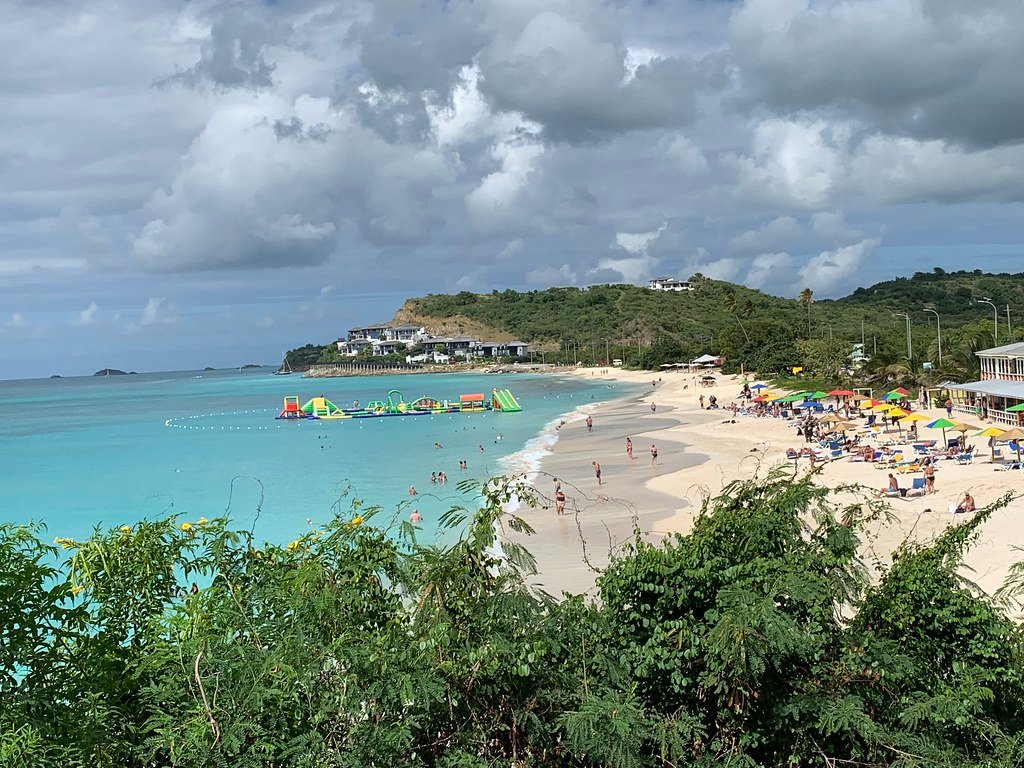
Moving to Antigua and Barbuda to attend college is a fantastic time in your life. Regardless of which university you have enrolled with – The American University of Antigua (AUA) The University of Health Sciences Antigua (UHSA) or the University of the West Indies’ Five Islands Campus Moving abroad always involves some amount of planning.
Selecting health insurance is likely one of the most important choices you will make as part of that process. Island health care has different realities than what may be available on the mainland. While the island nations of Antigua and Barbuda offer adequate primary care services and emergency stabilization; when specialty treatment or serious medical emergencies occur they are generally treated by transferring patients to larger regional centers or the U.S.
Navigating the complexities of what your university requires regarding health insurance, potential medical evacuations from the islands, and coverage for your dependents can easily get confusing. This guide provides you with everything you need to know about selecting a costeffective and compliant health insurance program for both yourself and your dependents.
1. University Waiver Rules: Meeting Your School’s Mandatory Standard
Most higher education institutions in Antigua and Barbuda require all enrolled students to hold active health insurance. Universities often automatically enroll students into a default institutional plan and charge the premium directly to tuition.
You can usually opt out through a formal waiver process. However, you can only do so if your private insurance meets strict institutional criteria.
COMMON WAIVER REQUIREMENTS
1. Minimum overall maximum benefit (often $100,000 to $500,000)
2. Dedicated Emergency Medical Evacuation coverage ($50,000)
3. Repatriation of Remains coverage ($25,000)
4. Low individual deductible (typically under $500 per policy year)
5. Coverage active for the entire academic term or year
Action Steps for the Waiver Process
- Request the official waiver form early: Obtain the specific requirements from your university’s student services or bursar office at least six weeks before the semester starts.
- Compare policy documents directly: Line up your private policy’s “Summary of Benefits” side with the school’s checklist.
- Check for exact wording: Pay close attention to evacuation and repatriation line items. Universities frequently reject plans because these two benefits are missing or underinsured.
- Submit before the deadline: Late submissions often result in nonrefundable automatic charges on your student account.
2. Emergency Medical Evacuation: The Core Safety Net
In addition, it is also very difficult for people who live on islands to have easy access to specialized healthcare services. For example, patients may need to be flown to a larger city such as San Juan (Puerto Rico), Miami, FL., or Bogota, Colombia for treatment by specialists in areas such as neurology, heart surgery, or other complex care. A one way air ambulance trip to Florida from the Eastern Caribbean can cost from $30,000 to $90,000 depending upon many variables. These costs are typically paid out-of-pocket at time of service prior to departure.
TYPICAL EVACUATION PATHWAY
[Local Clinic / Hospital] > [Stabilization at Local Center]
v
[Destination Hospital] < [Dedicated Air Ambulance]
(Miami / San Juan / Home)
What to Look for in Evacuation Clauses
- Medical Necessity vs. Personal Choice: Ensure the policy triggers evacuation based on the attending doctor’s assessment when local facilities cannot provide adequate care.
- Transportation to Home Country: Look for policies that offer the option to evacuate you to your home country for long-term recovery, rather than just the nearest capable facility.
- Bedside Visit Allowance: High quality plans include travel expenses for a family member to fly to your bedside if you are hospitalized alone for more than a specified number of days.
3. InNetwork Care and Direct Billing vs. OutofPocket Reimbursement
Understanding how your insurer pays local doctors, clinics, and hospitals will save you significant financial stress during your studies.
PAYMENT MODELS
DIRECT BILLING (Cashless Care)
• Insurer pays the medical provider directly.
• Student pays only the deductible or copay at the time of service.
• Best for preserving student cash flow.
REIMBURSEMENT (Pay and Claim)
• Student pays full cost out of pocket immediately.
• Submits itemized receipts and medical forms to insurer.
• Insurer reimburses funds weeks or months later.
Questions to Ask the Insurance Provider
- Which medical facilities in Antigua and Barbuda have direct billing arrangements with your company?
- What is the standard turnaround time for processing outofpocket claims?
- Do you issue a physical or digital membership card with a local contact number for provider verification?
4. Single Student Considerations: Balancing Cost and Protection
For single international students, the primary goal is finding an affordable policy that satisfies university regulations without leaving gaps in major care.
SINGLE STUDENT PRIORITIES
Catastrophic Care OffIsland Coverage
High maximum limits Evacuation, travel
for hospital stays during school breaks
Optimal Single Student Plan
Balanced premium, high limit, low deductible
Younger, healthy students often default to basic travel health plans. This can be a mistake.
Standard travel insurance is designed for short vacations, not academic years. Travel policies often exclude preexisting conditions, mental health support, routine care, and injuries sustained during sports activities.
Essential SingleStudent Features
- Inpatient and Outpatient Coverage: Ensure the plan covers doctor visits, diagnostics, and prescription drugs, not just overnight hospital stays.
- Mental Health Benefits: Academic pressure, culture shock, and isolation can take a toll. Look for plans offering outpatient therapy sessions or virtual mental health consultations.
- Break Coverage: Verify if your coverage remains active during home visits over summer or winter breaks.
5. Family and Dependent Coverage: Avoiding Common Pitfalls
Bringing a spouse, partner, or children to Antigua and Barbuda alters your insurance requirements significantly. Family healthcare needs are far more frequent and varied than those of a single student.
FAMILY COVERAGE CHECKLIST
Unified Policy: Single policy covering all dependents.
Pediatric Care: Wellchild visits and routine immunizations.
Dependent Evacuation: Automatic evacuation for family members.
Separate Deductibles: Clear tracking of individual vs. family max.
Maternity Care: Prenatal, delivery, and postnatal coverage.
Critical Family Coverage Pitfalls
- Dependent Eligibility Limitations: Some student insurance policies only cover the primary student. Adding dependents may require switching to a full international private medical insurance (IPMI) policy.
- Maternity Waiting Periods: Most global plans impose a 10 to 12month waiting period before maternity benefits kick in. If you are planning to expand your family while studying, secure coverage well in advance.
- Childhood Immunizations: Confirm whether routine vaccinations required for local school entry are reimbursed under the plan.
- Separate Deductibles: Ensure that family policies have a collective family deductible cap rather than requiring every individual family member to meet a high, separate deductible.
6. Examining Coverage Limits, Exclusions, and Fine Print
The value of an insurance policy lies in its fine print. Read the policy declaration carefully before paying your premium.
KEY EXCLUSION AREAS
Preexisting Conditions Look for clear waiver clauses or short
waiting periods.
Water Sports & Leisure Verify coverage for diving, boating, or
recreational activities popular in Antigua.
Prescription Medication Check whether drugs are paid at point of sale
or require manual reimbursement claims.
Preexisting Conditions
If you or a family member have a chronic health condition—such as asthma, diabetes, or hypertension—ensure the plan explicitly covers preexisting conditions. Many budget student policies exclude these conditions completely or impose multiyear waiting periods.
Recreational Activities
Antigua is famous for its beaches, sailing, and water sports. Standard insurance policies often exclude injuries resulting from water sports, scooter riding, or recreational diving.
If you plan to explore the island, select a policy that covers common leisure activities.
7. Shortlist of Provider Types to Compare
When shopping for international student health insurance in Antigua and Barbuda, you will generally evaluate three distinct categories of providers:
PROVIDER TYPES
1. StudentFocused International Insurers
• Examples: Cigna Global Student, PSI, ISO, GeoBlue.
• Pros: Built for university waivers, affordable, clear limits.
• Cons: May have restricted family options or preexisting rules.
2. Regional Caribbean Insurers
• Examples: Sagicor, Guardian Group.
• Pros: Strong direct billing networks across local clinics.
• Cons: May require extra addons for USbased care or evacuation.
3. Global Expat Insurers (IPMI)
• Examples: Allianz Care, Bupa Global, AXA Global Healthcare.
• Pros: High limits, comprehensive family care, global coverage.
• Cons: Higher monthly premiums.
8. Provider Evaluation Template
Use this evaluation template to score and compare insurance policies before making a purchase.
| Evaluation Criterion | Policy Option A | Policy Option B | Policy Option C |
| Provider Name | |||
| Monthly/Annual Premium | $ | ||
| Meets School Waiver Rules? | Yes No | Yes No | Yes No |
| Annual Maximum Limit | $ | ||
| Individual Deductible | $ | ||
| Emergency Evacuation Limit | $ | ||
| Direct Billing in Antigua? | Yes No | Yes No | Yes No |
| Dependents Covered? | Yes No | Yes No | Yes No |
| PreExisting Covered? | Yes No | Yes No | Yes No |
| 24/7 Support Available? | Yes No | Yes No | Yes No |
9.Decision Checklist
Before paying for your health insurance policy, complete these final verification steps:
- Verify Waiver Acceptance: Confirm in writing with your university that the chosen policy meets all waiver requirements.
- Confirm Evacuation Mechanics: Check that emergency evacuation services operate 24/7 with a dedicated telephone hotline.
- Store Documentation: Keep digital copies of your insurance card, claims form, and emergency contacts saved locally on your mobile phone.
- Identify Local Providers: Locate the nearest directbilling medical facility to your residence or campus before you need care.
Securing the right health insurance policy provides essential protection, allowing you to focus fully on your academic studies and enjoy your time in Antigua and Barbuda.
References
- Antigua and Barbuda Department of Immigration. (2016, June 21). Student permit FAQs. Government of Antigua and Barbuda.
- Antigua and Barbuda University of the West Indies Open Campus, Antigua and Barbuda School of Medicine (AUACAS). (2024, July 11). Health & insurance. https://auamed.org/health-insurance/
- Medical Benefits Scheme. (2024, August 19). Home. Government of Antigua and Barbuda. https://mbs.gov.ag/
- Indigo Expat. (2025, January 17). International health insurance expatriates Antigua and Barbuda. https://www.indigoexpat.com/
- AXA. (2025, January 1). Antigua and Barbuda health insurance for expats. https://www.axa.com/
- Insurancy. (2024, June 4). International health insurance for Antigua and Barbuda (2025). https://www.insurancy.com/
- ISO Student Health Insurance. (2026, July 15). International student health insurance. https://www.isoa.org/
- Study in Antigua and Barbuda. (2026, January 29). Study in Antigua and Barbuda: Complete guide to higher education. https://www.studyinantiguaandbarbuda.com/
- UHSA School of Medicine. (2025, February 7). New student checklist. https://uhsa.ag/