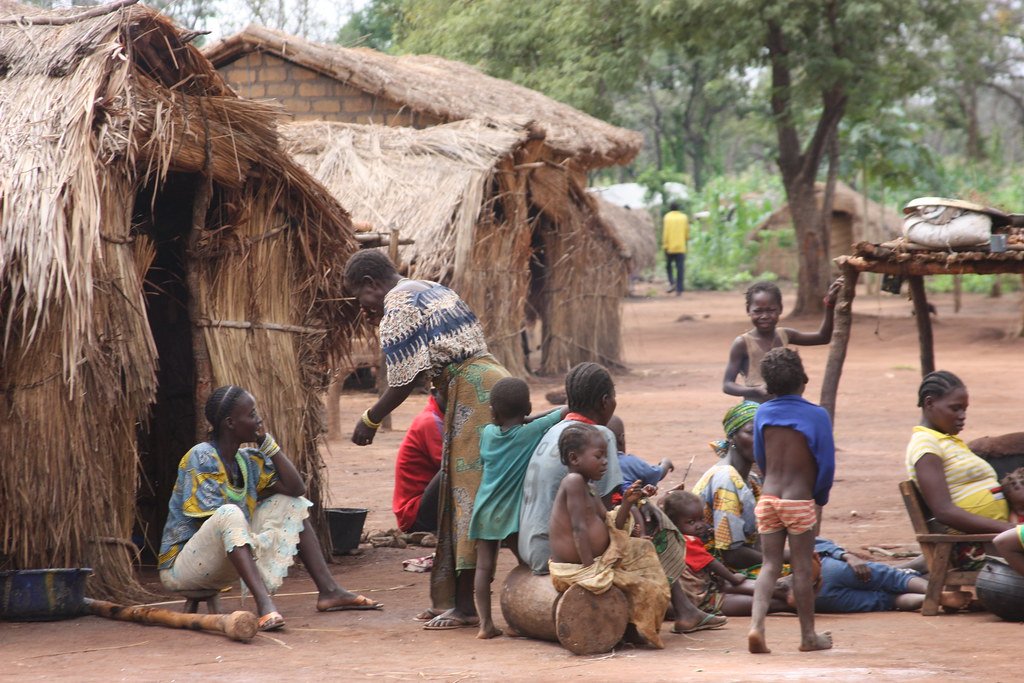
The experience of studying in foreign lands takes many forms of intellectual bravery. But when you study in Central African Republic (CAR) it is more than having the courage to take the academic leap, you have to be prepared to create your own safety net. The health care system for international students and their families is often a harsh reality compared to what they are accustomed to at home. Although the land has incredible history and culture, its health care infrastructure is extremely fragile.
While studying in CAR, a typical health insurance card is not merely a means of making payments; it is the vital link to obtaining needed treatment. Therefore, if you are planning to navigate through the complexities of finding international medical coverage while in a high risk area like CAR, you must look beyond the usual travel policies. To find suitable international medical coverage, you must also learn about the structural aspects of how health insurance works internationally.
1. The Real-World Medical Landscape in CAR
For understanding that specialized insurance for medical treatment in the Central African Republic is a necessity, one has to begin by analyzing the current state of medical treatment available in the Central African Republic. The majority of all medical services in CAR are centrally located with little or no access to medical services outside the central hub. In addition to being limited, there is also an extreme shortage of both modern medicine and other necessary medical supplies (such as sterile water) at these locations. Additionally, due to power outages and lack of adequate funding to provide adequate maintenance on medical equipment (diagnostic testing equipment), many hospitals inside Bangui are unable to operate properly.
Primary care for foreign nationals working in CAR is primarily provided by a few private clinics.
- The French Embassy Medical Center (Centre Médico-Social): Located on Boulevard du Général de Gaulle in Bangui, this facility is widely considered the most reliable option for general medicine, tropical disease diagnosis, and stabilization. It features English- and French-speaking staff.
- Clinique Dr. Chouaib: A private clinic in Bangui that provides basic surgical and general medicine services.
- Kingston-Diaspora Medical Centre: Another private alternative offering basic consultations and treatment.
Public facilities such as hopiital de l’amiite and community hospitals are operating under extreme stress. They are rarely advised for complex care unless no other options exist. the Bangui Pediatric Complex (CHUPB), which receives international support from Doctors with africa cuamm for specialized pediatric emergency cases, is similarly overburdened.
Due to these extremely limiting system-wide constraints, local treatment options are generally limited to treating minor illnesses, diagnosing malaria and providing an initial stabilization period. If you have suffered a serious fracture, experienced a life-threatening cardiac incident or developed a dangerous infection, local medical services may not be able to provide safe treatment and you will likely need to leave the country.
2. The Golden Rule: Medical Evacuation and Repatriation
If you only take away one point from this resource, it should be this: the policy must provide limitless emergency medical evacuation (medevac), and/or limitless or very large limits on repatriation (return to home country). Medevac refers to the transportation of someone requiring immediate care by air to another country that has sufficient medical facilities. Repatriation involves the expense associated with bringing you back to your home country for continued treatment. [Bangui clinic] -> [private air ambulance] -> [regional medical center: paris/nairobi/yaoundé]
The cost of arranging for a private air ambulance from Bangui to a nearby city where there are better medical services is enormous. Most often, medevacs run anywhere from $50,000 to $150,000. An insurer won’t send out an air ambulance until they have confirmed that they’ll get paid. Even delays of just a couple of hours could be lethal.
Key Evacuation Questions to Ask Your Insurer:
- What is the maximum limit for medical evacuation? Look for policies offering at least $500,000 in evacuation coverage. Avoid student plans that cap this benefit at $50,000 or $100,000.
- Where will I be evacuated? For basic specialized care, patients are often flown to Yaoundé or Douala in Cameroon. For highly complex surgeries or intensive care, the target is usually Nairobi (Kenya), Johannesburg (South Africa), or Paris (France). Ensure your policy permits evacuation to these hubs.
- Is the evacuation service managed in-house? Top-tier insurers like Cigna Global, Allianz Care, or Bupa Global operate 24/7 in-house emergency assistance teams. They do not outsource life-or-death decisions to third-party travel desks.
3. In-Patient vs. Out-Patient Cover: Striking the Right Balance
When designing your policy, you must choose between an emergency-only plan (in-patient and evacuation) or a comprehensive plan (which adds outpatient care).
In-Patient and Day-Case Coverage
In-patient care refers to any treatment requiring an overnight hospital stay. This is the core of your health insurance. It covers surgery, intensive care, hospital room fees, and diagnostic imaging.
- The Verdict: This is mandatory. Your in-patient limit should be at least $1,000,000 annually to safeguard against catastrophic medical events.
Out-Patient and Prescription Drug Coverage
Out-patient care covers general practitioner visits, routine specialist consultations, physical therapy, and prescription medications.
- The Verdict for CAR: While medical care at local clinics such as the French Embassy Medical Center may have relatively low costs when using your own money for an outpatient visit; there could be difficulty purchasing medication from reputable sources. There would be significant value to a health insurance plan which would provide coverage of your prescribed medication(s) and allow you to obtain it in this region. If however, you are a young, healthy, single individual with limited funds and will likely be making frequent or short trips back home (or elsewhere), having a higher limit in-patient and evacuation policy, and covering out-of-pocket the local general practitioner (GP) visits may help save money.
4. Local Networks and the Myth of Direct Billing in CAR
The process of obtaining healthcare through insurance companies varies greatly from one region to another; however, it also can vary from within regions as well. For example, if you go to your doctor in most areas of the United States (with some exceptions), you would provide them with your health insurance card and pay a copayment before leaving their office. The health care provider will then receive payment directly from your health insurance company. This process, called “direct billing,” does not operate under ideal circumstances in many parts of the world, including several developing countries such as those found in Africa.
How to Navigate Local Payments:
- Expect Cash Demands: Always maintain a secure emergency fund in Central African CFA francs (XAF) or Euros. You may need to pay upfront and seek reimbursement later.
- In-Patient Direct Billing is Essential: While you can pay out-of-pocket for a $100 clinic consultation, you cannot pay cash for a $15,000 hospital stay. Ensure your insurer guarantees direct billing for all approved in-patient admissions.
- Keep Perfect Records: Local medical invoices can be simple, handwritten notes. When seeking reimbursement, demand structured, stamped invoices. Ensure the doctor clearly writes the diagnosis, treatment, and itemized costs in French or English.
5. Policy Exclusions: War, Unrest, and Sanctions
The Central African Republic has experienced prolonged periods of political instability, civil conflict, and localized armed violence. This geopolitical context makes reading the “exclusions” section of your insurance policy mandatory.
War and Terrorism Exclusion Clauses
Most standard travel and international health insurance plans contain exclusions for injuries sustained during acts of war, civil unrest, riots, or military insurrections.
- The Risk: If you are injured by caught-in-the-crossfire violence during an unexpected protest or rebel incursion, a standard policy may deny your claim.
- The Solution: Look for insurers that offer “passive war cover.” This clause protects you if you are injured by political violence or civil unrest, provided you were not actively participating in the conflict and did not ignore official travel warnings to evacuate.
Sanctions Clauses
International insurers must comply with global financial sanctions. Policies routinely include a “Sanctions Limitation and Exclusion Clause.” This means the insurer cannot pay claims or provide benefits if doing so would expose them to sanctions from the United Nations, United States, United Kingdom, or European Union.
- Actionable Step: Confirm that your home country’s banking relations with CAR do not interfere with your insurer’s ability to wire funds to local clinics or reimburse your local bank account.
6. Single Students vs. Student Families: Diverging Paths
Your insurance needs will shift dramatically depending on whether you are traveling alone or relocating with family.
The Single Student Strategy
For a single student, the primary goal is catastrophic protection. You need to ensure that a severe accident or tropical illness like severe malaria does not cause financial ruin or lead to inadequate care.
- Focus Areas: High-limit evacuation, emergency in-patient care, and 24/7 English/French telephone support.
- Cost Optimization: Choose a policy with a modest deductible (e.g., $500 or $1,000). This lowers your monthly premium while ensuring that major emergencies remain covered.
The Student Family Strategy
If you are traveling with a spouse or children, your priorities must expand to include preventative and routine healthcare. Children require pediatric visits, vaccinations, and frequent dental or optical checks.
- Focus Areas: Comprehensive outpatient care, pediatric consultations, maternity care (if planning to expand your family), and robust family deductibles.
- Vaccinations: Ensure the policy covers necessary tropical vaccinations, including Yellow Fever (mandatory for entry into CAR), Meningitis, and Typhoid.
- Underwriting Transparency: Disclose all pre-existing conditions for every family member. A denied claim for a child’s chronic condition can be devastating in a remote environment.
7. Comparative Checklist for Evaluating Insurers
Before purchasing a policy, use this comparative framework to evaluate potential insurers. Do not rely solely on marketing brochures; request the complete “Policy Wording” document and verify these nine critical points.
| Evaluation Criterion | Ideal Standard for CAR | Your Notes / Insurer Response |
| 1. Evacuation Limit | Minimum $500,000 (Preferably unlimited) | |
| 2. Evacuation Destination | Cameroon, Kenya, South Africa, or Western Europe | |
| 3. In-Patient Limit | Minimum $1,000,000 per member, per year | |
| 4. Passive War Cover | Included (Protects you in active conflict zones) | |
| 5. Direct Billing | Guaranteed for all pre-authorized in-patient stays | |
| 6. 24/7 Assistance | In-house multilingual emergency medical desk | |
| 7. Pre-existing Conditions | Clearly defined underwriting (Avoid strict moratoriums) | |
| 8. Sanctions Exclusions | Standard compliance, but verify payment channels | |
| 9. Waiting Periods | Zero waiting periods for emergencies and infectious diseases |
8. Real-World Student Profiles and Recommendations
To help visualize how these factors apply in practice, let us look at two distinct profiles.
Profile A: Jean-Luc (Single Postgraduate Researcher)
- Age: 26
- Destination: University of Bangui
- Duration: 12 Months
- Needs: Basic compliance, emergency protection, budget-conscious.
- Recommendation: An international student health plan (such as those offered by IMG or William Russell) featuring a $1,000 deductible. This setup minimizes monthly premiums while locking in a $1,000,000 in-patient limit and a robust medical evacuation benefit. Routine GP visits at the French Embassy clinic are paid out-of-pocket.
Profile B: Miriam (PhD Candidate with Spouse and Child)
- Age: 34 (Spouse 36, Child 4)
- Destination: International NGO Research Partnership, Bangui
- Duration: 24 Months
- Needs: Pediatric care, comprehensive outpatient visits, direct-billing coordination.
- Recommendation: A comprehensive expat family plan (such as Cigna Global Gold or Allianz Care). Miriam should select a $0 deductible for outpatient care to ensure her child can see pediatric specialists in Bangui without financial friction. The policy must feature strong regional evacuation links to Nairobi for pediatric emergencies.
9. Next Steps: Securing Your Coverage
Securing the right policy is something you need to be actively involved in. Don’t just click “buy” on some online site.
You should contact your selected insurance company. Write a formal letter stating what your destination will be (Central African Republic, Bangui), how long your trip will last, and specifically what safety issues concern you. Ask for written assurance from your selected insurer that they have an emergency response team with experience of arranging evacuation by air from Bangui’s airport, M’Poko International (BGF).
References:
- Government of the United Kingdom. (2013, February 24). Health – Central African Republic travel advice. GOV.UK. https://www.gov.uk/foreign-travel-advice/central-african-republic/health
- Government of the United Kingdom. (2023, February 8). Living in Central African Republic. GOV.UK. https://www.gov.uk/government/publications/living-in-central-african-republic/living-in-central-african-republic
- University of Melbourne. (n.d.). Arrange your Overseas Student Health Cover (OSHC). https://students.unimelb.edu.au/support-and-wellbeing/international-student-support/visas/healthcare-for-other-visa-types
- American Visitor Insurance. (n.d.). Travel insurance for Central African Republic. https://www.americanvisitorinsurance.com/travel-insurance/central-african-republic/
- Student Insurance Portal. (n.d.). Insurance information for students from Central African Republic studying at IESE Business School. https://studentinsuranceportal.com/from/central-african-republic/to-university/iese-business-school
- Student Insurance Portal. (n.d.). Insurance for students from Central African Republic studying at University of Applied Languages. https://studentinsuranceportal.com/from/central-african-republic/to-university/university-of-applied-languages
- International SOS & April International. (n.d.). Assurance santé Afrique. DI-Africa. https://www.di-africa.com/en/assurance-sante
- ACS. (2025, December 22). ACS Expat – Customisable expatriate health insurance solution. https://www.acs-ami.com/en/expat-health-insurance/acs-expat/
- APRIL International. (2026, June 30). International health insurance. https://www.april-international.com/en
- Allianz Care. (2026, July 7). International student health insurance. https://www.allianzcare.com/en/personal-international-health-insurance/who-we-help/students.html
- Cigna Healthcare. (n.d.). International student health insurance. https://www.cignaglobal.com/students