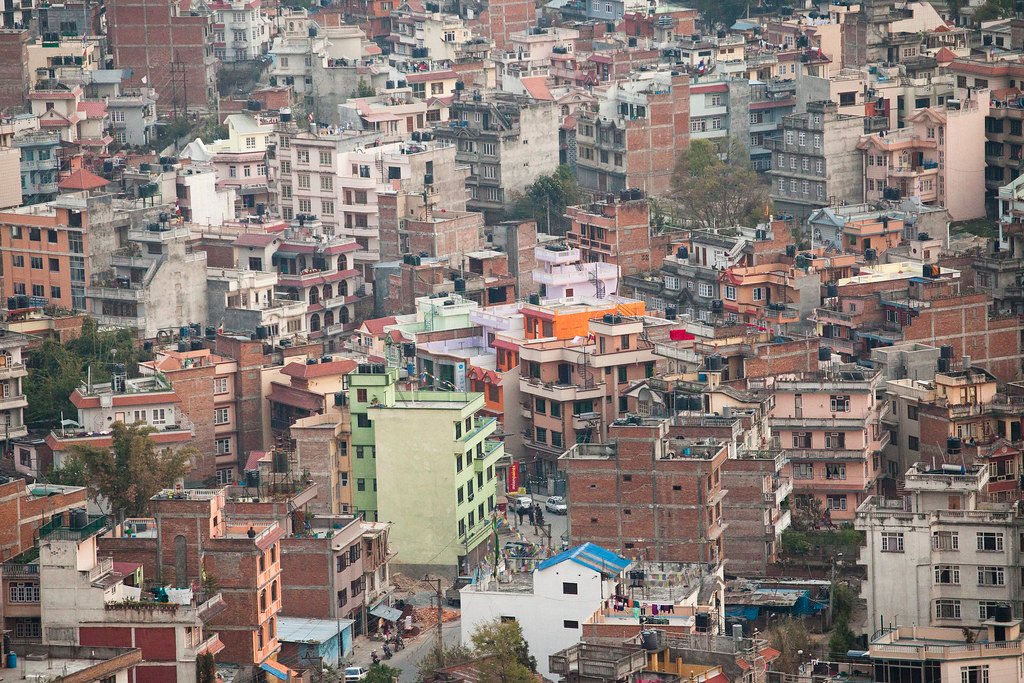
Moving to Nepal for school can be an exciting time. The history and customs of the people are fascinating, the mountainous landscape is one of the most beautiful in the world. But, managing your health while living abroad will require planning ahead. If you are coming alone, or with your family, purchasing health insurance from a reputable company will give you peace of mind when traveling. Choosing a good health insurance company is much more than going through paperwork; it’s about having protection if something unexpected happens.
Once you have identified several companies you would consider using for your healthcare, you need to determine which company provides coverage that meets the requirements of your visa and where you reside. In addition to ensuring you receive adequate medical treatment inside of Nepal, there may be times when you will need medical attention outside of Nepal and the policy should include this option. For example, it may take some time before you can see a specialist in Kathmandu, so having access to quality healthcare in other parts of Asia, such as India, may be important. After you have determined that a particular company has a compliant policy, you then want to determine what the specifics of that policy mean in terms of cost to you personally (your out-of-pocket expense).
Now let’s go into detail on how to compare and identify the best possible policy for you to purchase based on your needs and budget.
1. Start with Legal and University Requirements
Before you look at price tags, you must First understand your legal responsibilities to comply with local immigration laws through your insurance.
Firstly, confirm the specific rules of both your student visa and university. Many academic institutions and student visas have specified minimum sum insured requirements. They often expect that you will have “adequate” medical coverage for the duration of your stay. Do not guess what this means. Ask your university’s international student office if there are any mandatory coverages required (for example; inpatient care, emergency medical evacuation, or repatriation of remains) from your insurance policy. Failure to meet these benchmarks can jeopardize your legal status in the country.
Secondly, decide on your coverage zone. Do you just need coverage while you are in Nepal? Most students choose standard care plans which only provide coverage in Nepal. But some students may want to purchase coverage that includes both Nepal and india. This is a common choice because some highly specialized medical treatment options may be more accessible in major Indian cities. The wider the coverage zone you desire, the higher the cost. However, it is very important to note that if you need to travel to other countries to receive advanced care when you suffer a serious health crisis, then a broader coverage zone is well worth the extra money.
2. Decide the Right Type of Plan
You will typically be able to find two kinds of health coverage: local Nepalese options (i.e., plans that are regulated by the Nepal Insurance Authority) and international student coverage. Each type has a different use. Local health plans in Nepal are normally less expensive than international plans. These plans are intended for local residents and would likely make sense for you if you intend to live here long term and seek treatment at local Nepalese hospitals. International student coverage, on the other hand, provides a second level of care. This type of coverage is preferred if you require assistance in English when dealing with claims/customer support, need access to larger hospital systems, need medical evacuation, and/or wish to take advantage of the ease of transferring your plan to another country after finishing your education.
When determining whether you want a single coverage option versus a family coverage option, you should consider how each type of plan sets up its limit structure. Students who have no dependents should pay most of their attention to the amount of coverage available to them individually they should review whether or not there are any nearby network hospitals to their school/their residence. Family members have many considerations to weigh. Most importantly, families should determine if spouses and children can easily be added to a family plan. The cost of adding dependents may greatly affect how the cost of the premium increases.
Here is a breakdown of how local and international plans compare:
| Feature | Local Nepali Health Insurance | International Student Insurance |
| Primary Audience | Long-term residents and citizens | Expats, digital nomads, and international students |
| Geographic Coverage | Strictly Nepal (sometimes border regions) | Worldwide or specific global zones (e.g., Asia-Pacific) |
| Cost Profile | Generally lower premiums | Higher premiums |
| Customer Support | Local language, standard business hours | Multilingual, often 24/7 global support |
| Portability | None. Coverage ends when you leave Nepal. | High. Can often transfer with you to a new country. |
3. Understand Your Coverage Scope
Beginning with the reality that a policy is only as strong as the quality of medical service it actually provides; there are particular items that you should specifically consider when purchasing an insurance policy while living outside of your home country.
Your first concern will be the in-patient component of your insurance plan. The in-patient portion of your insurance will typically cover all costs associated with your room stay, including ICU stays, surgery, specialists’ consultation fees, nurses’ time, and medication taken while in the hospital. Your in-patient coverage is the first line of defense against potentially catastrophic medical costs. Be certain your insurance company has adequate in-patient coverage.
Outpatient (OPD) and Diagnostic Care are similarly important for managing your everyday life. OPD/ Diagnostic Care encompasses regular doctor’s visits, lab work, and X-rays. Although very helpful in controlling both acute illness and chronic disease, outpatient care is frequently either capped or optional on low cost health insurance programs.
Be certain your Emergency Services & Ambulance Coverage is likewise adequate. No one expects accidents to occur. You must have assurance that emergency room treatment and ambulance rides are completely covered. It would be wise to review the specifics of Prescription Medications. If you take medication every day, please determine whether pharmacy bills are included and what limitations apply to these prescriptions.
Additionally, today’s healthcare requires consideration of pre-hospitalization and post-hospitalization charges. Your good insurance policy should include all diagnostic testing and consultations which occurred 30-60 days prior to your hospital admission, as well as the follow up care which occurs after your discharge from the hospital. Look for Daycare Procedures in addition to your other coverages. Daycare Procedures encompass high level treatments such as many types of surgery and chemotherapy requiring extended recovery times and thus cannot provide 24 hour in-patient hospitalization coverage.
Medical Evacuation & Repatriation coverages are imperative for International Students. With its mountainous terrain, Nepal may present unique challenges for accessing local medical care. Should you become ill or injured while studying abroad and need access to advanced medical care unavailable in Nepal, Medical Evacuation can assist in removing you to a nearby country where such specialized care is available. Likewise, should tragedy strike and result in loss of life while studying abroad, Medical Evacuation and Repatriation coverages help facilitate removal of your body back to your home country.
For Families, the scope expands beyond just individual considerations. In reviewing your insurance options, carefully examine your insurance company’s Maternity/Newborn Care. Insurance companies generally have lengthy waiting periods prior to providing coverage related to pregnancy. When considering having children now or in the near future, evaluate your insurance company’s Maternity Benefits and Sub-Limits. Lastly, Family Pediatric Coverage must be reviewed. As with adult medical care, ensure your children’s routine vaccinations, pediatrician appointments and typical childhood treatments are explicitly included in your insurance coverage.
4. Master Sum Insured and Cost Controls
The most common area where international students experience extreme financial shock. The price tag for serious, extended treatment at a private hospital in Nepal can be tens of thousands to hundreds of thousands of rupees.
You are taking a huge gamble when you underinsure yourself.
Your Sum Insured is your maximum coverage per year. Be sure to pick an appropriate coverage that will cover major surgical procedures and long-term stays in the ICU in first-class, high-end private hospitals in Kathmandu. Your sum insured should never be based on what something costs to treat a small infection. Your sum insured should be based upon worst-case scenarios.
Be very aware of the caps on room rentals. Insurance companies typically set limits on your daily hospital room rental at either a flat rate of a certain currency or as a tiny fraction of your total sum insured. A low cap could result in being forced into less comfortable, less expensive, shared ward conditions. Additionally, if you were to choose to stay in a private room over your cap, the insurer may apply a proportional reduction in your payment for your surgeon, medication and tests.
Understand your Co-Payments (Co-Insurance) and Deductible. A co-pay is the flat percent of each claim you must pay from your pocket. A deductible is a specific dollar amount you must pay before the insurance company will make payments. Typically, lower monthly premium payments include higher co-pays and/or deductibles.
Lastly, research Sub-Limits (Disease-Specific Caps). Many policies have large sums insured, but then severely restrict their payment amounts for specific diseases such as Cataracts Surgery, Kidney Issues, etc., Maternity Care, etc. If you have children, think through a “worst case” scenario. What would happen if one member of your family had a serious hospitalization while another member was having ongoing outpatient treatment? Would your sum insured and sub-limits provide sufficient protection during this chaotic time?
5. Evaluate Network Hospitals and Cashless Access
Practicality of Hospital Network for Your Day-to-Day Life
Theoretical coverage means nothing to you when you are in the middle of being sick. What really matters is the hospital network that provides service for your daily needs. Confirm with the insurer that the network of hospitals in Nepal is extensive. Specifically, confirm that some of the leading hospitals around your University and your home are part of the network. It’s important to know that if you have a health problem, you can go to one of these hospitals, present your insurance card, and get treated immediately, instead of having to make an enormous down payment first.
If you selected optional coverage in India, determine what type of coverage exists as well as how this works. For example, if you need to travel to New Delhi for a surgical procedure, do you have access to immediate care (cashless), or do you have to pay up front and then apply for reimbursement?
Consider both the quality and accessibility of each hospital. In addition to considering the hospitals’ medical reputations, consider the hospitals’ distances from where you live and study. Also, ensure that the physicians working at the hospitals speak English. Prioritize verifying all network information while you’re healthy. Wait no longer than necessary to figure out which hospital is not included under your plan once again.
6. Navigate Waiting Periods and Pre-existing Conditions
International Students often fail to take into account Waiting Periods prior to making an insurance claim after being denied their first. All Insurance Companies do not provide coverage of every item right off the bat.
The First Month Waiting Period is typical. The length of time most often ranges from 30-60 days. Most General Illnesses are not typically covered during that first thirty to sixty days. However, Accidental Injuries may be covered in some cases.
Pre-existing Disease (PED) waiting period can be very long. There are many Health Issues — such as Asthma, Diabetes and Thyroid Condition — where local Nepalese Plans may enforce waiting periods ranging from One Year to Four Years before they will begin paying for treatments associated with those issues. International Plans vary greatly. While some plans provide coverage for Pre-existing Conditions immediately, other plans completely exclude Pre-existing Conditions from their policies.
There are even Disease Specific Waiting Periods. Even if you are Healthy at Time of Purchase, Insurers will impose a one year or Two-Year waiting period to allow for the passage of time before they will cover a procedure like Hernia Repairs, Joint Replacements or Maternity Care.
You should be completely transparent. You need to disclose ALL PREEXISTING CONDITIONS on your Proposal Form. Hiding Medical Conditions is Fraudulent and the Insurer WILL DENY your Claims once they Review Your Medical History. Check specifically how these waiting periods apply to Each Individual Member of a Family Plan.
7. Assess the Claims Process and Insurer Reliability
You’ll get poor value at low cost when applying for a claim seems to be another part time job.
Know how cashless and reimbursement works. If it is cashless then the insurance pays the hospital direct. With reimbursement, you will have to pay the hospital yourself. Then you need to gather all of the necessary documents (original Tax Invoice, Lab Reports, Doctors Prescription etc), send them off and wait until your money arrives.
Find out what documents they require so you can prepare.
The insurance companies claims settlement ratios should also be investigated. The higher the settlement ratio and quicker the approval process are indicators of good faith by insurers who honor their contracts.
A 24 hour / day support line is very valuable for international students away from home. As long as there is a 24 hour / day helpline with staff fluent in english then you will receive help through the night or morning hours in case of emergency.
Do not solely rely upon the information provided within marketing brochures. Look up past evaluations made by present expats and international students regarding their experiences dealing with the claims departments of these companies. These will tell you much about what to expect.
8. Consider Premiums, Renewability, and Portability
The correct balance of costs versus benefits is an art.
Do not make your decision solely on the lowest possible monthly rate. The cheapest health insurance policies are priced at a low cost through the use of severe (harsh) limits on rent; high deductible amounts; and limited access to hospital services.
A critical aspect of any contract is renewability. Make sure that your selected policy will be renewed each year with no additional waiting periods. If you study in Nepal for three years then you want your waiting period to end in Year One, and remain ended. Continued renewals protect you.
If you plan to move to another country as a student or worker after Nepal, it is important to understand if your carrier has “global” transition plans available. Your ability to take your current coverage into a new country could provide great benefit when compared to starting from scratch with new waiting periods, etc.
9. Special Considerations: Single vs. Family Students
Your family status changes what you look for in insurance coverage.
If you are a single international student, your focus should be narrow and deep.
Get adequate amounts of cashless hospital coverage specifically for emergency medical evacuation. Get an adequate sum insured for inpatient care. Pay extra only for outpatient if you anticipate frequent doctor visits or ongoing treatment of chronic condition.
If you are bringing spouse & children, the strategy will change. Determine whether to purchase a family floater policy (one large sum insured that any family member can draw on) or individual policies (each person has separate small limit). Review maternity and newborn benefits immediately with sharp eye on long waiting periods. Prioritize pediatric outpatient cover and vaccination benefits. Finally, make sure the network of hospitals is comprehensive enough to provide both adult emergencies and specialized pediatric care under the same cashless system.
10. Your Practical Checklist
Use the following checklist to evaluate and compare your top two or three shortlisted policies before making a final payment:
- Compliance: Does the policy explicitly meet your visa and university requirements regarding the sum insured and coverage type?
- Geography: Does the coverage zone match your actual needs (Nepal only, Nepal and India, or Worldwide)?
- Adequacy: Is the sum insured realistic for a major emergency at a top private hospital in Kathmandu?
- Caps: Are the room-rent and ICU caps acceptable, and is the policy free of harsh proportionate deduction clauses?
- Out-of-Pocket: Do you clearly understand the required co-pays and deductibles, and can you afford them in an emergency?
- Network: Does the cashless hospital network include at least two or three reputable facilities very close to your university and residence?
- Waiting Periods: Are the initial, pre-existing, and disease-specific waiting periods compatible with your current health profile?
- Disclosure: Have all your pre-existing conditions been fully declared and officially accepted by the insurer in writing?
- Administration: Is the claims process transparent, and does the insurer offer a 24/7 helpline with English support?
- Longevity: Are the renewability terms clear, ensuring your waiting period credits are preserved year after year?
Choosing the right health insurance in Nepal requires diligence. Take the time to evaluate the terms, understand the hospital networks, and plan for worst-case scenarios. By doing so, you secure not just a legal requirement, but the financial security needed to focus entirely on your studies and your life in this incredible country.
References:
- Amarnepal. (2026, June 1). Private health insurance in Nepal | Compare medical plans from licensed insurers. https://amarnepal.com/topics/private-health-insurance-in-nepal-compare-medical-plans-from-licensed
- Amarnepal. (2026, July 25). Health insurance in Nepal: Government vs private explained. https://amarnepal.com/guides/health-insurance-nepal-guide
- Cigna Global. (n.d.). Choosing an international health insurance plan. https://www.cignaglobal.com/resources/choosing-the-right-health-insurance
- Expatica. (2026, June 9). International health insurance: An expat’s guide. https://www.expatica.com/global/healthcare/healthcare-basics/international-health-insurance-guide-2173442/
- Feather Insurance. (2026, June 3). International health insurance: Definitive guide (2026). https://feather-insurance.com/en-ww/blog/international-health-insurance-guide
- Niva Bupa. (2026, July 2). Health insurance | Get medical insurance online @ ₹17/day. https://www.nivabupa.com/health-insurance
- NerdWallet. (2022, April 4). How to choose health insurance: Your step-by-step guide. https://www.nerdwallet.com/insurance/health/learn/choose-health-insurance
- Surya Jyoti Life Insurance. (2026, September 14). The comprehensive guide to health insurance in Nepal. https://suryajyotilife.com/blog/the-comprehensive-guide-to-health-insurance-in-nepal
- William Russell. (2023, March 7). How to find the best health insurance while living abroad. https://www.william-russell.com/blog/how-expats-find-best-health-insurance/
- William Russell. (2023, March 13). International health insurance comparison: How to compare international health insurance plans. https://www.william-russell.com/blog/how-to-compare-international-health-insurance-plans/