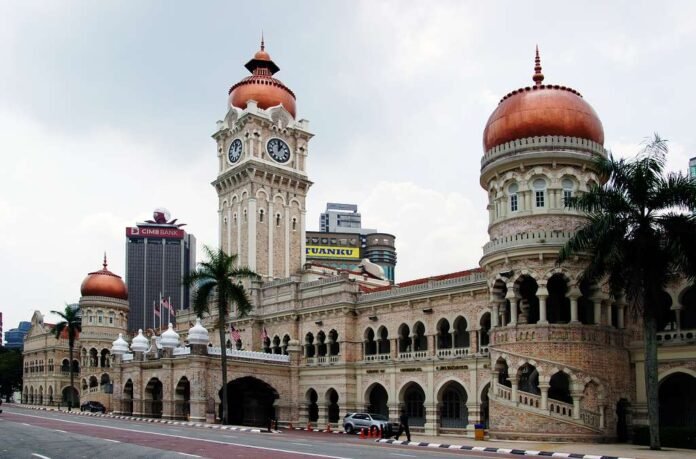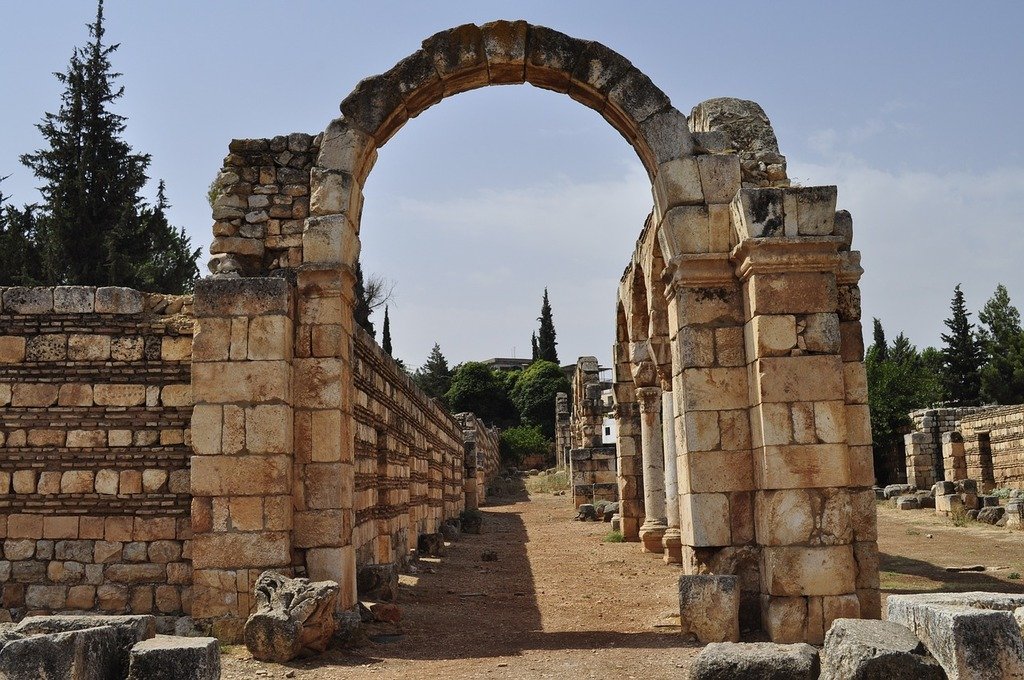
Studying in Lebanon is a unique opportunity for both academic and cultural experiences. The history in many Lebanese cities and towns can be felt from the moment you enter a historic university building in Beirut to the moment you are conducting field research on Mount Lebanon or in the Bekaa Valley.
Studying abroad does come with responsibility; living as an expat will require planning and decision-making regarding many aspects of life including healthcare. While Lebanon has one of the highest numbers of trained physicians per capita in the world and many hospitals are staffed by some of the best-trained doctors in the world, they are all private and subject to extreme changes in their financial situation. When selecting a health insurance plan while studying abroad (particularly when you are an international student), it should never be done without careful consideration. Simply choosing the lowest cost annually for premiums may result in catastrophic costs due to hidden deductible amounts, limited network of participating hospitals or clinics, or clauses requiring thousands of dollars in advance payments.
Therefore, you will have to carefully review the mechanisms of any policy prior to entering into an agreement. Below we will outline the most important criteria to consider when reviewing a policy.
1. Confirm Eligibility and Policy Purpose
Before comparing line-item benefits, establish who needs coverage and what legal purpose the policy serves. Health insurance in Lebanon generally falls into four distinct categories:
| Policy Type | Target Audience | Primary Strengths | Common Limitations |
| Single Student Policy | Individual university students | Meets university enrollment baselines; cost-effective | Minimal out-of-country cover; excludes family members |
| Family Policy | Students with a spouse or children | Centralised billing; dependent coverage | Higher total premiums; separate per-person deductibles |
| Local Lebanese Private Insurance | Residents, expats, students living full-time in Lebanon | Deep local hospital networks; established direct-billing | No coverage outside Lebanon; currency rules tied to local market |
| International Expatriate Insurance | Global students and mobile academics | Worldwide coverage; repatriation; multilingual 24/7 care | Considerably higher premiums; may require upfront payment locally |
International students typically do not qualify for the National Social Security Fund (NSSF) of Lebanon. Therefore, Private Insurance is essential as opposed to secondary protection.
Travel Policies are designed to provide temporary emergency Medical Treatment; Not Ongoing Student Care. Check with the insurance provider to determine if you need a Policy that can be “Locally Admitted” to meet University Standards or a Globally Portable Plan. Verify Eligibility prior to applying by contacting both your University’s International Student Office & The Insurance Provider.
2. Check University and Visa Requirements
Universities in Lebanon are serious about medical coverage. Many institutions require proof of adequate private health insurance prior to registering for courses; in addition, immigration authorities will likely ask you to provide documented verification of health insurance when they renew your residence permit.
Do not buy an insurance policy without getting a written compliance checklist (or similar) from your university’s Registrar or Student Affairs office.
Confirm whether your policy meets the following institutional criteria:
- Geographic Validity: The policy must be fully operational throughout all Lebanese governorates, not restricted to a single city.
- Benefit Thresholds: Minimum overall annual coverage limits, often set between $50,000 and $100,000 USD or higher for inpatient medical treatment.
- Care Categories: Explicit inclusion of inpatient hospital stays, intensive care units, outpatient consultations, diagnostic laboratory work, and emergency ambulance transport.
- Emergency Assistance: Minimum required limits for repatriation of remains and emergency medical evacuation.
- Duration: Unbroken coverage for the full calendar or academic year, preventing gaps between semesters.
- Documentation Language: Official certificates must be issued in English or Arabic to satisfy university administrations and General Security officers.
- Direct Billing: Explicit confirmation that the provider maintains direct-settlement facilities with university-affiliated medical centres.
If your institution offers a collective student health scheme, examine it closely. Some university plans provide convenient campus clinic access but minimal coverage for major surgeries outside their teaching hospital. If the institutional policy leaves gaps, supplement it with a private secondary policy.
3. Evaluate Hospital and Doctor Access
Lebanon boasts some of the most prestigious tertiary teaching hospitals in the Middle East. Most high-calibre specialists, advanced diagnostic units, and trauma facilities are clustered within Beirut. Medical access drops outside major urban centers.
| Region | Healthcare Infrastructure | Considerations for Students |
| Beirut & Suburbs | Dense network of private institutions, advanced diagnostic equipment, university teaching hospitals | Immediate emergency care and tertiary trauma treatment; English- and French-speaking staff are standard |
| Mount Lebanon | Reputable private surgical clinics, specialized care centres, outpatient polyclinics | Convenient access for students living outside the capital; well-equipped for planned procedures |
| Regional Governorates | Secondary community hospitals, regional public facilities, fewer specialized beds | Adequate for preliminary stabilization; severe cases usually require transfer back to Beirut |
An insurance policy is only as effective as the hospital doors it opens. If an insurer offers a broad network on paper, but excludes the medical centre across the street from your campus, the policy fails you when an emergency strikes.
Evaluate your prospective network by asking targeted questions:
- Which tertiary hospitals in Beirut accept the insurance card directly at the emergency desk?
- Are local clinics near your student accommodation included in the outpatient network?
- Does the plan permit you to consult independent private specialists, or are you locked into a rigid network of assigned doctors?
- Can you easily access English- or French-speaking general practitioners and mental health professionals?
- If you suffer an acute injury in a remote region, does the insurer cover out-of-network emergency stabilization at cost?
- Does the policy demand pre-authorisation for non-emergency MRIs, endoscopies, specialist referrals, or minor outpatient procedures?
Pre-authorisation hurdles delay care. If an insurer takes seventy-two hours to approve an urgent scan, your recovery suffers. Prioritise companies with streamlined digital approvals or pre-authorised outpatient quotas.
4. Compare Medical Benefits
Look beyond generic marketing slogans. Phrases like “comprehensive medical safety” mean nothing until you read the schedule of benefits.
Use this operational comparison table to assess plan details:
| Medical Benefit | Minimum Ideal Specification | Danger Signs to Avoid |
| Inpatient Care | 100% direct coverage for semi-private room, intensive care, operating theatre fees, and surgical supplies. | Sub-limits on daily bed costs that do not match private hospital rates. |
| Outpatient Care | 80% to 100% coverage for diagnostic lab tests, clinical radiology, and specialist appointments. | Strict caps of only 3 to 4 doctor visits per policy year. |
| Emergency Services | Full cover for accident triage, emergency surgical stabilization, and land ambulance transfer. | Requirement to obtain telephone approval before calling an emergency ambulance. |
| Prescription Drugs | Dedicated pharmacy sub-limit with realistic annual ceilings for acute illnesses. | High copayments (e.g., 50%) or exclusion of common imported medications. |
| Mental Health | Outpatient therapy visits, psychiatric consultations, and inpatient crisis stabilization. | Complete exclusion of psychological, emotional, or psychiatric conditions. |
| Dental & Vision | Emergency relief of sudden pain, trauma reconstruction, basic optical exams. | Zero cover for emergency tooth extractions caused by accidents. |
| Maternity | Full antenatal monitoring, routine delivery, and complications coverage (for family plans). | Waiting periods longer than 10 to 12 months that void coverage. |
| Chronic Conditions | Routine monitoring, maintenance lab panels, and continuing prescription medicine. | Categorical exclusion of ongoing health management. |
Pay particular attention to prescription medication benefits. Lebanon imports the vast majority of its pharmaceutical inventory. When currency fluctuations impact the market, pharmacies may price imported drugs at market rates. If your policy only covers low, outdated medicine price lists, you will absorb the remaining cost at the counter.
5. Review Exclusions, Underwriting, and Waiting Periods
Insurance companies stay profitable by defining what they do not pay for. Reading the exclusions section is uncomfortable, but skipping it invites financial exposure.
Exclusions fall into two categories: standard policy exclusions and applicant-specific underwriting exclusions.
Standard Exclusions
Most student policies routinely exclude cosmetic interventions, experimental therapies, elective wellness retreats, and over-the-counter supplements. However, you must examine exclusions concerning:
- Civil Unrest and Politically Related Incidents: Lebanon experiences periods of political friction. Some international and local insurers exclude injuries sustained during strikes, demonstrations, civil commotion, or armed conflict. Ensure your policy distinguishes between active participation in an illegal gathering and being an innocent bystander caught in an unfolding event.
- Hazardous Sports: If you plan on paragliding in Jounieh, hiking the Lebanon Mountain Trail, or skiing in Faraya, confirm that amateur outdoor activities remain covered.
- Substance-Related Incidents: Claims involving alcohol consumption or unprescribed drugs are universally denied.
Pre-Existing Conditions and Underwriting
Honesty is non-negotiable. If you manage asthma, diabetes, a thyroid imbalance, or recurring back pain, disclose it fully during application.
Insurers treat declared pre-existing conditions in three ways:
| Underwriting Outcome | Practical Meaning | Strategic Action |
| Full Coverage with Loading | The condition is covered, but your annual premium increases. | Best option for financial predictability. |
| Specific Exclusion Rider | The policy covers everything except that organ system or condition. | Budget personal funds for routine maintenance. |
| Waiting Period | The condition is covered only after 6, 12, or 24 months of continuous cover. | Keep safety reserves for your initial academic year. |
Hiding a medical condition to secure a cheaper rate is disastrous. If an insurer audits your medical history after an emergency hospitalisation and discovers undisclosed treatment, they can cancel your policy retroactively and leave you with the entire hospital invoice.
6. Prioritise Evacuation and Emergency Support
Advanced medical treatment is easily accessible in Beirut. However, there are instances when the local health system experiences severe shortages of supplies and/or students may require extended periods of rehabilitation that cannot be provided within Lebanon.
In those isolated cases, evacuation for medical reasons will protect lives. Medical evacuation does not constitute a typical transportation service. Instead, it entails private aircraft (air ambulance), flight nursing with intensive care training and coordination for international border crossing. These services usually cost over $50,000-$100,000 USD to arrange privately.
| Evacuation Stage | Standard Operational Trigger | Key Policy Requirement to Verify |
| Immediate Stabilization | Acute injury or critical medical emergency occurs locally | Patient admitted to nearest hospital regardless of network standing |
| Local Clinical Review | On-site facility determines treatment capacity is inadequate | Joint decision by treating physician and insurer medical director |
| Regional Medical Transfer | Necessary surgical or medical technology unavailable in Lebanon | Insurer arranges and finances air ambulance to regional medical centre |
| Repatriation to Home Country | Patient stabilized but requires prolonged rehabilitation | Clear clause permitting repatriation to country of citizenship |
Verify these specific emergency provisions:
- Evacuation Trigger: Who holds authority to order an evacuation? Policies should base this decision on mutual agreement between the treating local physician and the insurer’s medical director, not unilateral corporate discretion.
- Designated Destination: Does the policy fly you only to the “nearest adequate facility,” or do you have the option of medical repatriation directly to your home country?
- Compassionate Visit Benefits: Does the insurer fund a return flight and hotel accommodations for an immediate family member if you are hospitalised alone for more than seven consecutive days?
- Repatriation of Remains: While grim to contemplate, this provision shields your family from massive administrative and financial burdens in the event of a fatality.
- Non-Medical Evacuation: Given regional geopolitical dynamics, check whether the provider includes access to travel security hotlines and subsidized commercial extraction in cases of civil crisis.
7. Examine Financial Terms, Cash Flow, and Currency Volatility
In most countries globally there are just a few types of insurance deductible. However, when it comes to Lebanon’s monetary system you need to take an even closer look at how they operate.
The on-going financial crisis has significantly altered how businesses function within this country. Many private medical facilities often will not accept payment in the devalued domestic currency that is required to purchase costly consumable supplies, expensive medical implants, as well as imported prescription medications. Therefore, health care financing is currently functioning almost exclusively in U.S. dollars that are fresh, i.e., actual convertible physical cash (international transfers).
Before purchasing insurance, clarify currency terms:
| Financial Element | Key Question to Ask | Why It Matters |
| Billing Currency | Are premiums, deductibles, and claims handled in convertible US Dollars? | Avoids disputes over local bank rates versus real-world market costs. |
| Direct Settlement | Does the insurer pay the hospital directly for inpatient admissions? | Prevents you from needing $5,000 cash at the hospital admissions desk. |
| Reimbursement Timeline | If you pay upfront for outpatient visits, how fast is money refunded? | Delayed reimbursements drain your living expenses. |
| Exchange Rate Baselines | What exchange rate applies on the treatment date versus settlement date? | Currency changes can erode your actual payout. |
| Cost Sharing (Co-pay) | Is your copay a flat fee (e.g., $15 per visit) or a percentage (e.g., 20%)? | Percentage copays expose you to unpredictable costs for advanced scans. |
Evaluate the deductible structure. A policy with a $0 deductible and a $1,200 annual premium might seem appealing. But if you have stable savings, choosing an annual deductible of $250 or $500 can significantly lower your upfront premium. Ensure you can access that deductible amount quickly in an emergency.
8. Assess Family Suitability and Dependent Care
Bringing a spouse or children changes your insurance requirements completely. An individual student can often manage minor logistical inconveniences. A family cannot.
A family policy is not merely an expanded individual policy. It alters legal liability, administrative procedures, and medical usage patterns.
| Family Policy Dimension | Critical Elements to Check | Operational Recommendation |
| Deductible Structure | Aggregate family deductible versus separate per-member deductibles | Aggregate deductibles are usually more cost-effective for families with young children |
| Pediatric Care | Well-child visits, developmental checks, and standard childhood vaccinations | Ensure scheduled immunizations are paid in full rather than classified as maintenance |
| Newborn Enrolment | Window of notification to register a baby without medical underwriting | Select policies offering an automatic 30-day enrollment grace period from birth |
| Dependent Network Access | Emergency pediatric coverage and specialized maternity hospitals | Confirm that private children’s hospitals in Beirut are part of direct billing |
Never purchase a single family plan simply because it appears tidier on paper. Price out a family contract against individual policies for each family member. In some scenarios, putting the primary student on an institutional university plan while securing a dedicated private family plan for dependents yields broader coverage at a lower composite price.
9. Investigate the Insurer’s Service Infrastructure
A health insurance contract represents a promise to pay. The value of that promise rests entirely on the operational competence of the insurer’s support network.
When you sit in a clinic waiting room, a slick marketing brochure is useless. You need an operational customer service desk that answers the phone, validates your member ID, and sends guarantee letters to the hospital billing office without delay.
Evaluate an insurer’s service infrastructure across these criteria:
- Third-Party Administrator (TPA) Strength: Most insurance carriers do not manage hospital billing departments directly. Instead, they hire a TPA (such as GlobeMed, MedNet, or NextCare). Identify which TPA handles the network administration in Lebanon. A reputable TPA ensures smooth electronic approvals at hospital admissions desks.
- Claims Modernisation: Avoid companies that still demand paper claims forms mailed alongside original paper receipts for simple $40 doctor visits. Look for insurers offering mobile apps that process outpatient claims via clear smartphone photos within five to ten business days.
- Dispute Transparency: What formal recourse do you have if a claim is rejected? Reliable insurers supply a detailed written explanation citing specific clauses, along with a transparent appeals workflow.
- Language Support: In an emergency, clear communication is critical. Customer support desks must provide fluent assistance in your primary language, operating 24 hours a day, 365 days a year.
Consult continuing international students, university alumni, and expatriate forums before finalizing your provider. Ask them how fast claims were settled and whether local hospitals accepted the digital insurance card without hesitation.
10. Check Geographical Flexibility and Mobility
International students travel. You might spend semester breaks visiting family, conducting summer research across the Mediterranean, or attending academic symposiums in Europe or the Gulf.
Your health insurance must match your physical movement.
| Geographic Scope | Best Suited For | Geographic Boundaries | Typical Price Multiplier |
| Lebanon Only | Students remaining in-country throughout the academic year. | Strictly within Lebanese borders. | Baseline (Most affordable) |
| Regional (Middle East & North Africa) | Students conducting regional research or traveling nearby. | Lebanon, Jordan, Egypt, UAE, GCC, Turkey. | 1.3x to 1.6x baseline |
| Worldwide Excluding US/Canada | Mobile international students traveling home to Europe, Asia, or Africa. | Global coverage; strictly excludes USA and Canada. | 1.8x to 2.5x baseline |
| Worldwide Including US/Canada | Dual citizens, US exchange students, or regular global travelers. | Completely unrestricted global coverage. | 3.5x to 5.0x baseline |
Be aware of coverage restrictions in your home country. Many international student policies automatically suspend medical cover the moment you step foot inside your home nation, or cap home country emergency visits at thirty consecutive days.
If you plan to relocate after graduation, look for an insurer that permits seamless policy migration. “Guaranteed transferability” allows you to convert a student plan into an expatriate or professional individual plan without undergoing new medical underwriting or adding exclusions for illnesses developed while in school.
Practical Provider Comparison Checklist
Before committing funds or signing an insurance application, request explicit, written answers to these twelve operational questions:
- 1. University & Visa Compliance: Does the policy satisfy all stated university enrollment and residency permit rules?
- 2. Direct Billing Network: Are the major university hospitals in Beirut confirmed within the direct-billing network?
- 3. Coverage Ceilings: What are the specific annual limits for inpatient, outpatient, and emergency care?
- 4. Medical Underwriting: Are declared pre-existing conditions covered, loaded, or permanently excluded?
- 5. Emergency Evacuation: Does the policy provide comprehensive medical evacuation and repatriation back to my home country?
- 6. Civil Unrest Exclusions: Are treatments resulting from civil unrest or non-participatory demonstrations excluded?
- 7. Currency Guarantees: Does the insurer issue payments and settle hospital invoices in convertible US Dollars?
- 8. Deductible Terms: What is the exact deductible amount, and does it apply per claim, per illness, or per calendar year?
- 9. Benefit Waiting Periods: What is the formal waiting period for dental, optical, psychiatric, or maternity benefits?
- 10. Digital Claims: Can outpatient claims be processed digitally through a mobile app or email?
- 11. Support Availability: Is customer service reachable 24/7 with dedicated English-speaking emergency dispatchers?
- 12. Degree Continuity: Does the policy allow continuous renewal if my degree program extends into another year?
Strategic Recommendations by Profile
- For the Solo Student: Focus on inpatient protection, a direct-billing network centered near your campus, robust prescription coverage, emergency medical evacuation, and an accessible digital claims process. Do not overpay for maternity or worldwide travel extensions if your travel footprint is limited.
- For the Student with Dependents: Make direct billing your top priority. Ensure that pediatric care, standard childhood vaccinations, maternity complications, and low aggregate family deductibles are clearly defined in the schedule of benefits.
Pro Tips:
Higher Education in Lebanon is a transformative experience for the individual as well as their intellect. While pursuing challenging educational opportunities, students are exposed to rich cultural heritage and develop lifelong friendships.
Health issues and financial oversight should not prevent you from realizing this opportunity.
Manage your health care early. When evaluating health insurance options, analyze them thoroughly. Review the contract to ensure clear hospital networks; review foreign exchange requirements. Securing a quality, transparent health insurance plan prior to beginning your term, protects your physical and mental well being, while protecting your academic potential.
References
- Allianz Care. (2017, February 23). International health insurance plans for Lebanon. https://www.allianzcare.com/en/about-us/blog/international-health-insurance-lebanon.html
- Allianz Care. (2019, April 9). Choosing the best international health insurance. https://www.allianzcare.com/en/about-us/blog/choosing-ipmi.html
- Allianz Care. (2025, August 26). How to choose an international medical insurance plan. https://www.allianzcare.com/en/about-us/blog/how-to-choose-an-international-medical-insurance-plan.html
- Allianz Care. (2025, September 10). International health insurance with pre-existing conditions. https://www.allianzcare.com/en/about-us/blog/international-health-insurance-with-pre-existing-conditions.html
- Allianz Care. (2025). International healthcare plans for Lebanon: Individual terms of business. https://www.allianzcare.com/content/dam/onemarketing/azcare/allianzcare/en/docs/DOC-LEBANON-TOB-IND-EN-0725.pdf
- Allianz Care. (2026). International health insurance plans. https://www.allianzcare.com/en/personal-international-health-insurance/products-and-services/international-healthcare-plans.html
- Expatica. (2026, September 23). Expat health insurance in 2026: Costs, coverage, and tips. https://www.expatica.com/global/healthcare/healthcare-basics/expat-health-insurance-628191/
- Insurancy. (2024, August 7). International health insurance for Lebanon: Expert advice. https://www.insurancy.de/en/international-health-insurance/lebanon/
- Pacific Prime. (2025, January 1). Lebanon health insurance for expats. https://www.pacificprime.com/country/middle-east/lebanon-health-insurance/
- The Guardian. (2025, August 8). Health insurance Lebanon: Comprehensive plans. https://theguardian.insure/health-insurance-lebanon-the-guardian/
- William Russell. (2023, March 7). How expats find the best health insurance. https://www.william-russell.com/blog/how-expats-find-best-health-insurance/
- William Russell. (2023, March 13). International health insurance comparison: How to compare international health insurance plans. https://www.william-russell.com/blog/how-to-compare-international-health-insurance-plans/